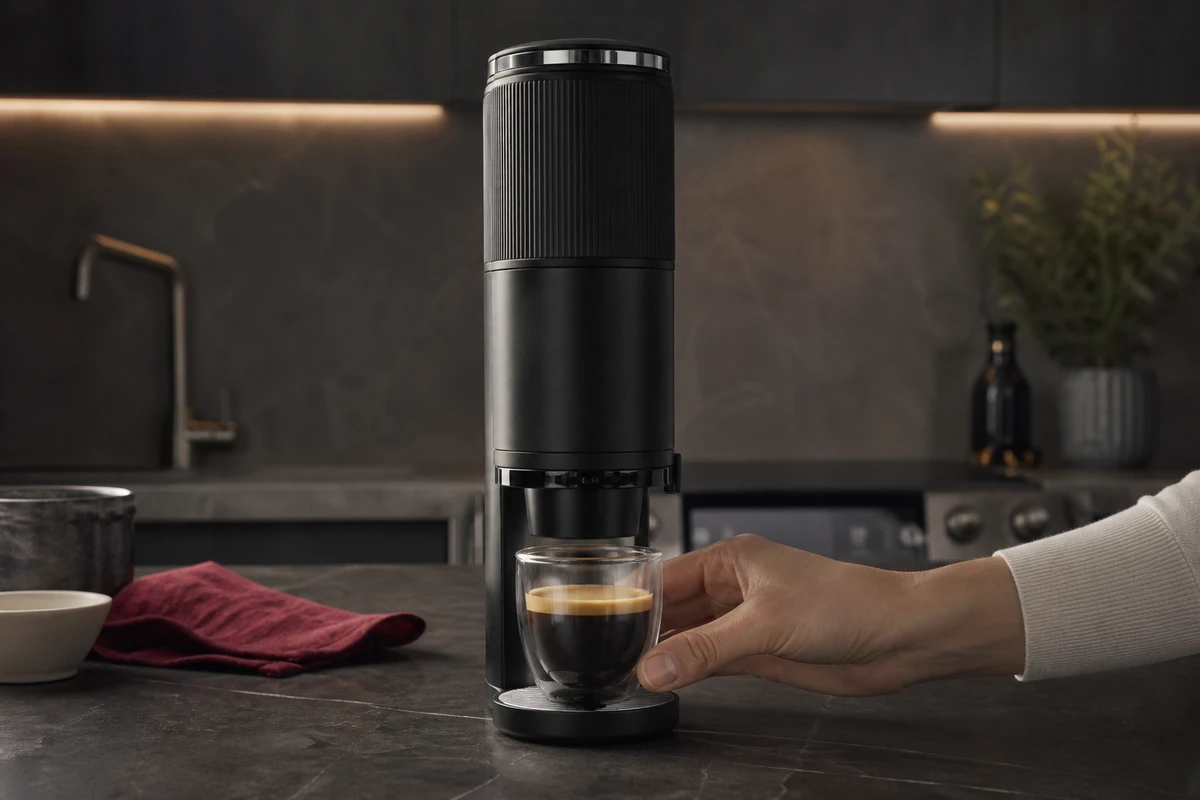
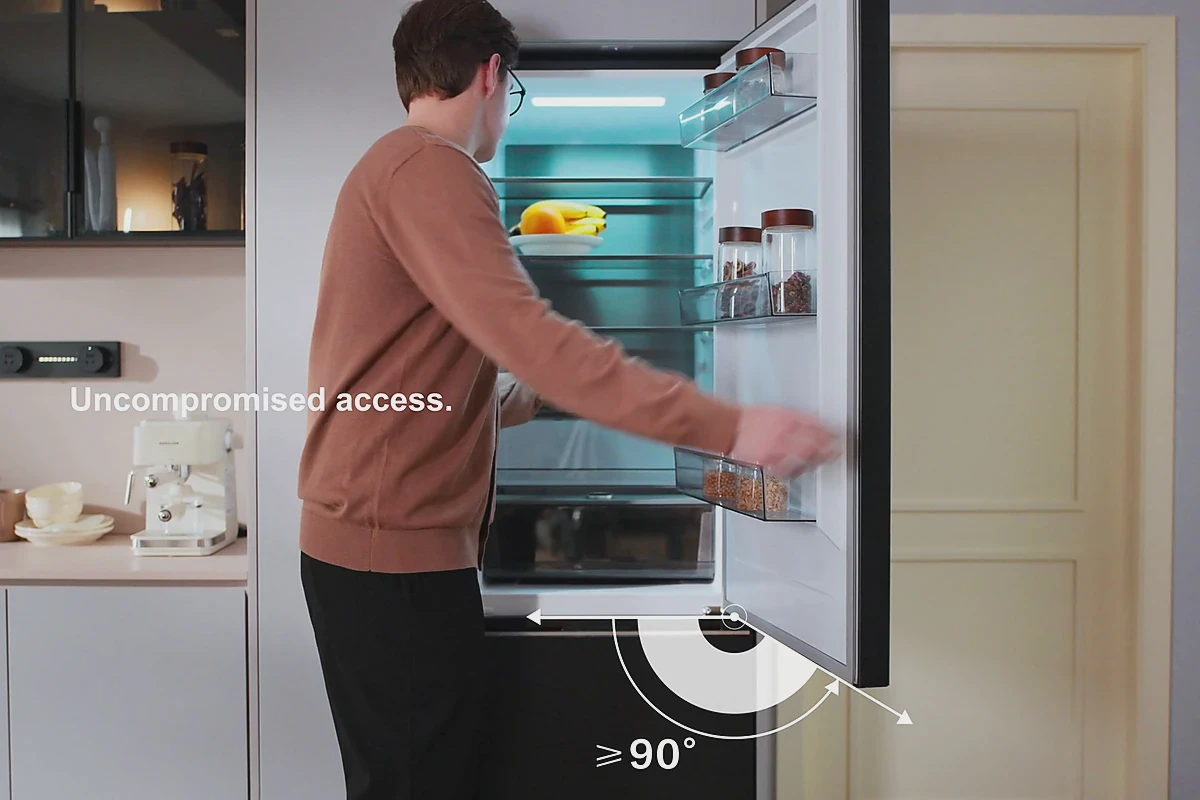
A global brand TVC needs a recognisable visual idea and enough usable coverage to survive shorter edits. Begin with the product action and the audience's buying question, then decide which moments must remain in every version. Cutting a finished hero film into smaller files is difficult when its only explanation arrives at the end.


Turn the key visual into filmable actions
Identify what makes the approved key visual distinctive: the product silhouette, a gesture, the relationship between a person and the object, or a particular setting. Translate that element into movement. For example, a lid opening may provide both the transition into a demonstration and a clean detail shot. Treat this as a proposed shot, not as proof of an untested product feature.
Check the actual sample before writing claims around it. Confirm which colour, accessories and interface will be filmed, and which statements need supporting documentation. Keep approved product wording beside the storyboard so a visual metaphor does not become an unsupported performance promise.
Design the master and cutdowns together
Make a version list before the shoot: destination, audience, running time, orientation, language and closing action. Mark the shots needed by each version. A short paid-media edit may need an immediate product reveal; a website film may have room for the full demonstration. Neither should depend on footage the crew never captured.
Frame critical actions so the agreed crops can preserve the product and hands. Capture clean plates, useful reaction shots and text-free product details. Record a complete action as well as its closer coverage; a beautiful close-up may not explain how the product is used.
Keep language and delivery choices recoverable
Hold editable titles, voice-over, subtitles and end cards separately from the picture master. Give each approved version a clear language and destination label. When a claim changes, the editor can replace it across the affected versions without reconstructing the whole film.
- Review the hero film against the original visual idea.
- Watch each short edit on its own, without the master as context.
- Check crops, readable text and the closing action on a phone.
- Confirm which master, caption and project files are included in delivery.
Discuss the shot plan with ONCE's video production services, or send the campaign brief and version list. This is a production planning method; it does not predict advertising performance.