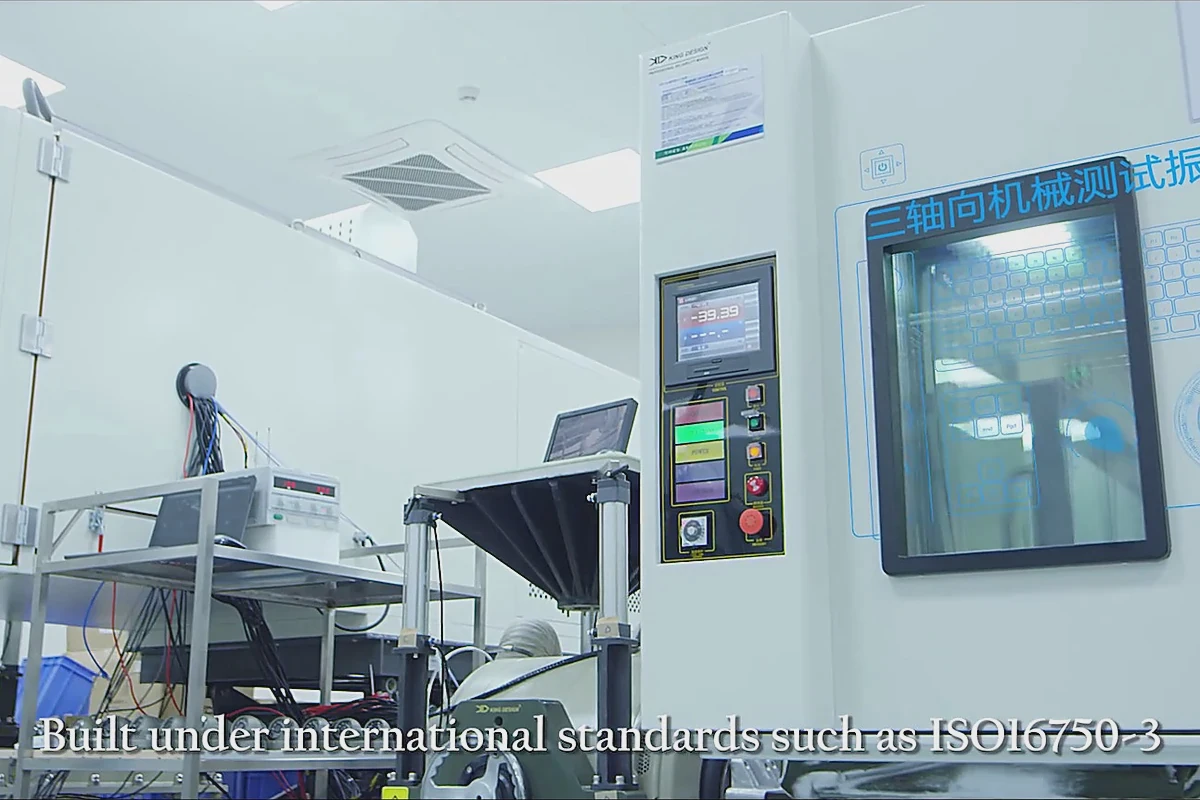
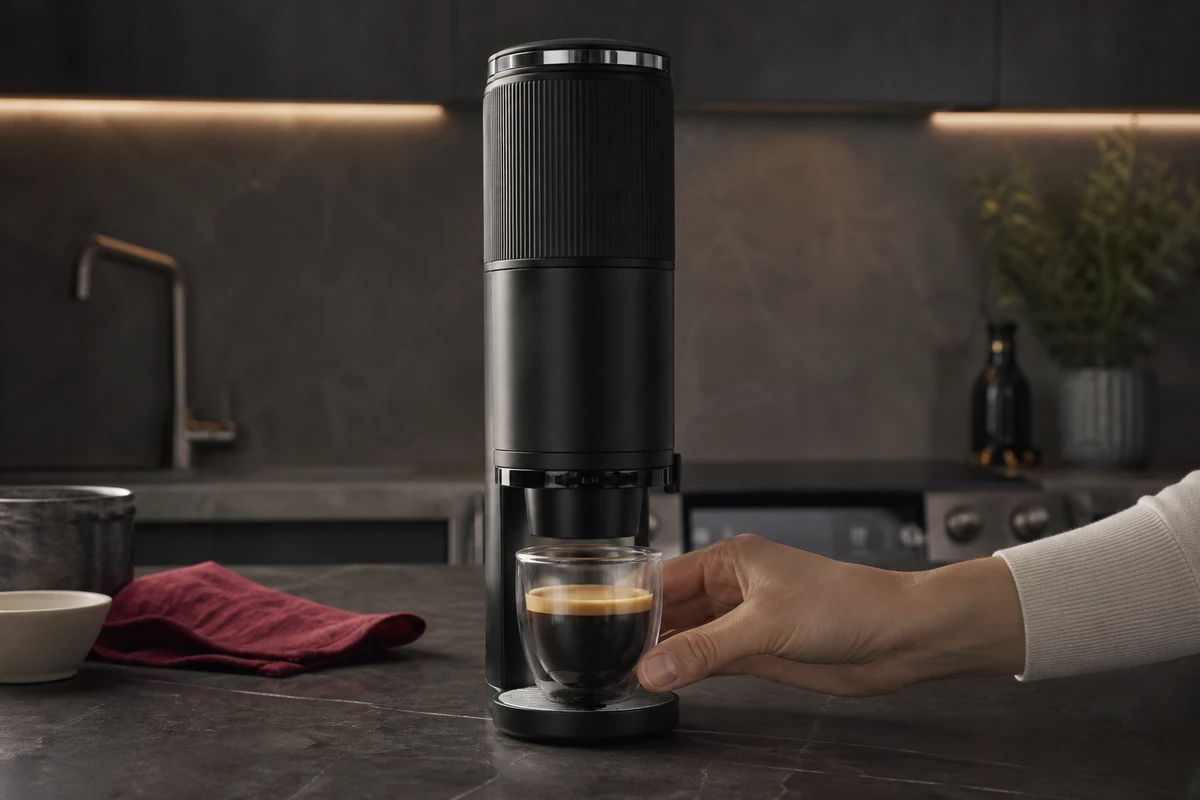
A high-ticket product video should help a buyer judge fit, operation and ownership before asking for confidence. Beautiful lighting matters, but it cannot answer whether an appliance fits a kitchen, a device is easy to operate or a professional tool suits the buyer's workflow. Turn those questions into specific shots.
Start with the questions that delay a purchase
List the concerns raised in product enquiries, sales conversations and the current detail page. Common questions include dimensions, setup, controls, maintenance and compatibility. Use actual customer questions when available; treat an imagined concern as a planning hypothesis to check with the product team.
For each question, write the approved fact, the action to film and the limitation that needs to remain visible. If a claim depends on a particular mode, accessory or installation condition, keep that condition in the script. A cinematic sequence cannot replace a product specification or a test report.
Show scale and installation in a recognisable space
Place the product where it is intended to be used. Include surrounding surfaces and a person or familiar object when they help the viewer judge scale. For a built-in appliance, show alignment and door movement; for a desktop device, show cable access and the space needed to operate it. Use accurate dimensions alongside the footage where necessary.
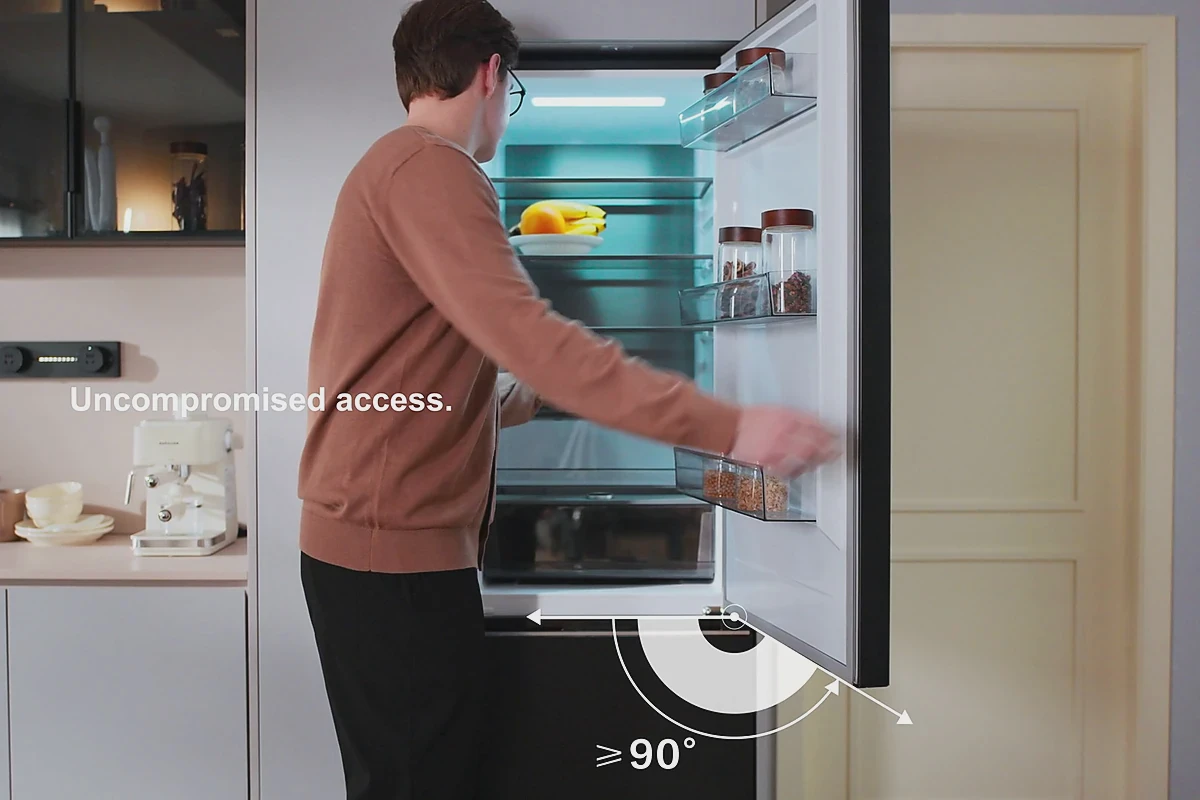
The CHiQ refrigerator film uses a kitchen setting to organise this kind of spatial story. Its visual treatment is a reference for planning; installation measurements and clearances for a new model still come from that model's documentation.
Let the buyer follow the operation
Film the starting condition, the user's action and the visible response. Keep an establishing view before moving into controls or material details. If a process is shortened in the edit, make the time change clear instead of implying that a long operation is instantaneous.
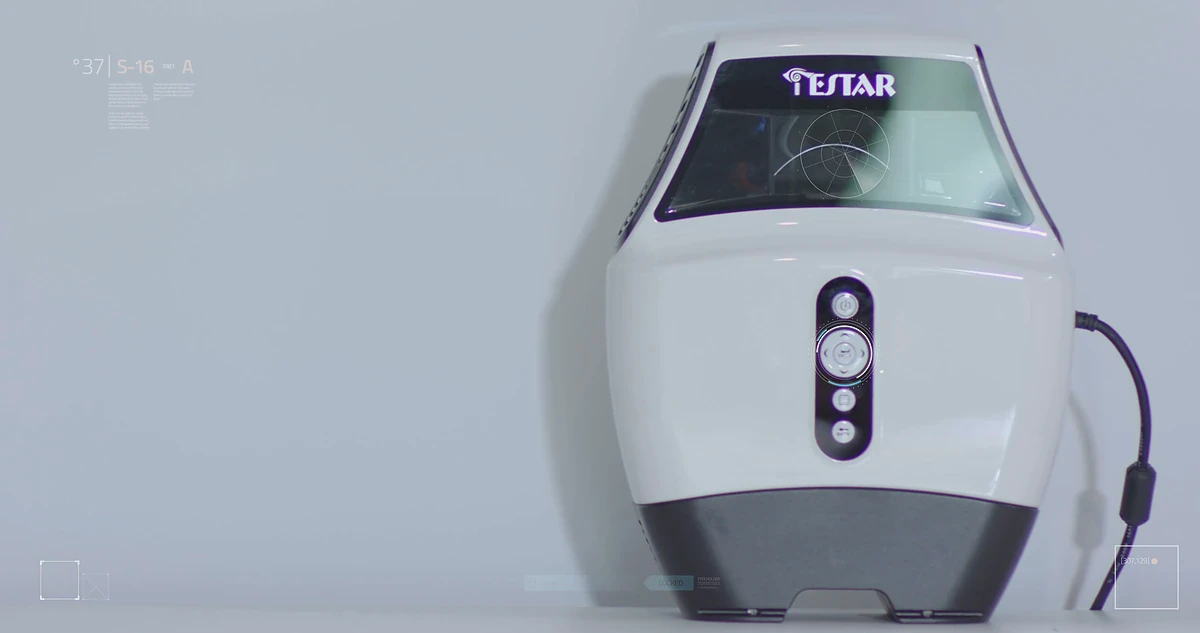
For a technical feature, choose the shot that shows what the user can observe. A button press and a screen response can explain interaction; they do not establish long-term reliability. Quantified performance claims require appropriate supporting information beyond the footage.
Connect the feature to a real task
A professional product may be used by several people in sequence. Show who handles it, where it enters the task and what happens next. Plan supporting views of connections, placement and hand movements so the edit can explain the workflow without covering gaps with a voiceover.
Build the delivery list around buying questions
A longer product explanation can establish the full use sequence. Shorter clips can answer individual questions such as setup, storage or cleaning. Agree on these clips before the shoot, with room for subtitles and the intended horizontal or vertical framing. Raw footage, clean masters and editable files are separate handover items to confirm in the scope.
For a product page, check media support and playback in the chosen storefront. Shopify documents video uploads and supported video links; the theme also needs to support the intended media. That technical capability does not determine the best film length or promise a conversion increase.
Use buyer feedback to plan the next edit
After release, compare the questions still reaching sales or support with the questions the footage answers. Where analytics are available, examine viewing and enquiry behaviour alongside the placement and audience. Do not attribute a sales change to one shot without a suitable comparison.
The ONCE product-video service can be scoped around the product questions, available samples and versions you need. If a room scene is central, review the Shenzhen studio spaces before selecting the setup.
Plan a high-ticket product video with the product, intended placement, target market and required versions.