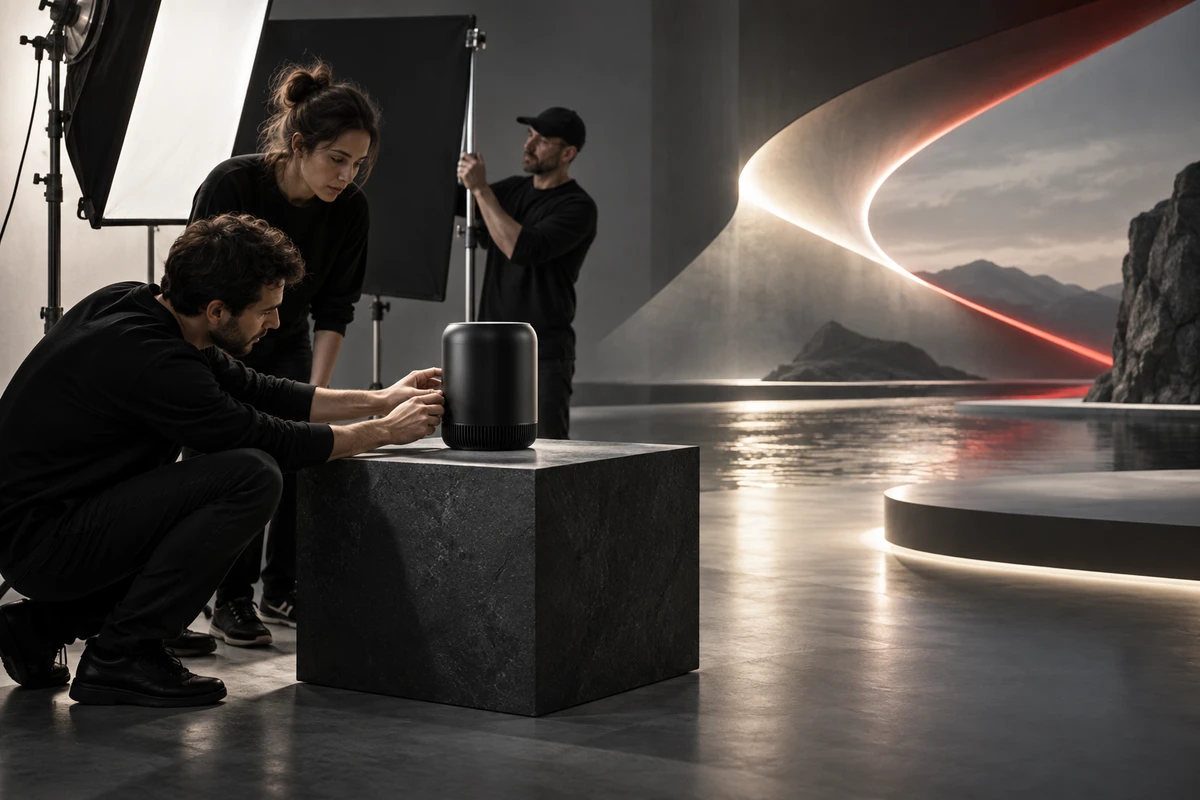
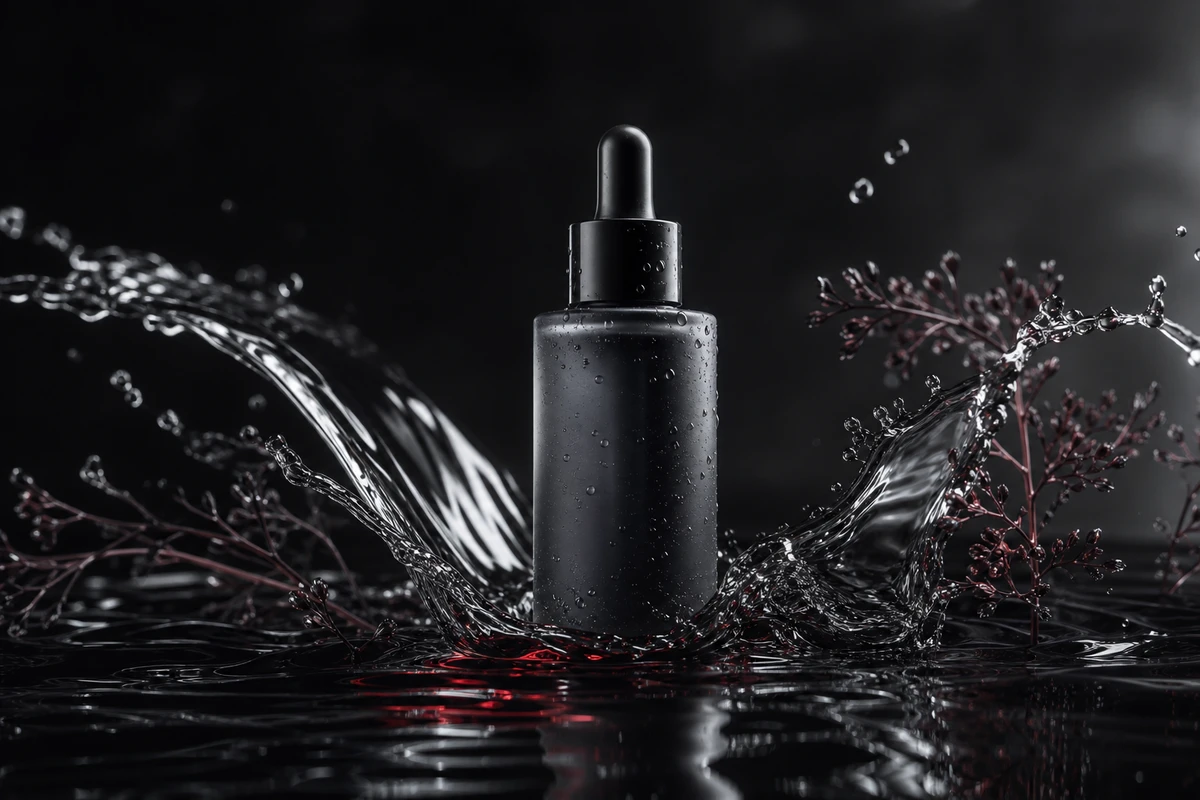
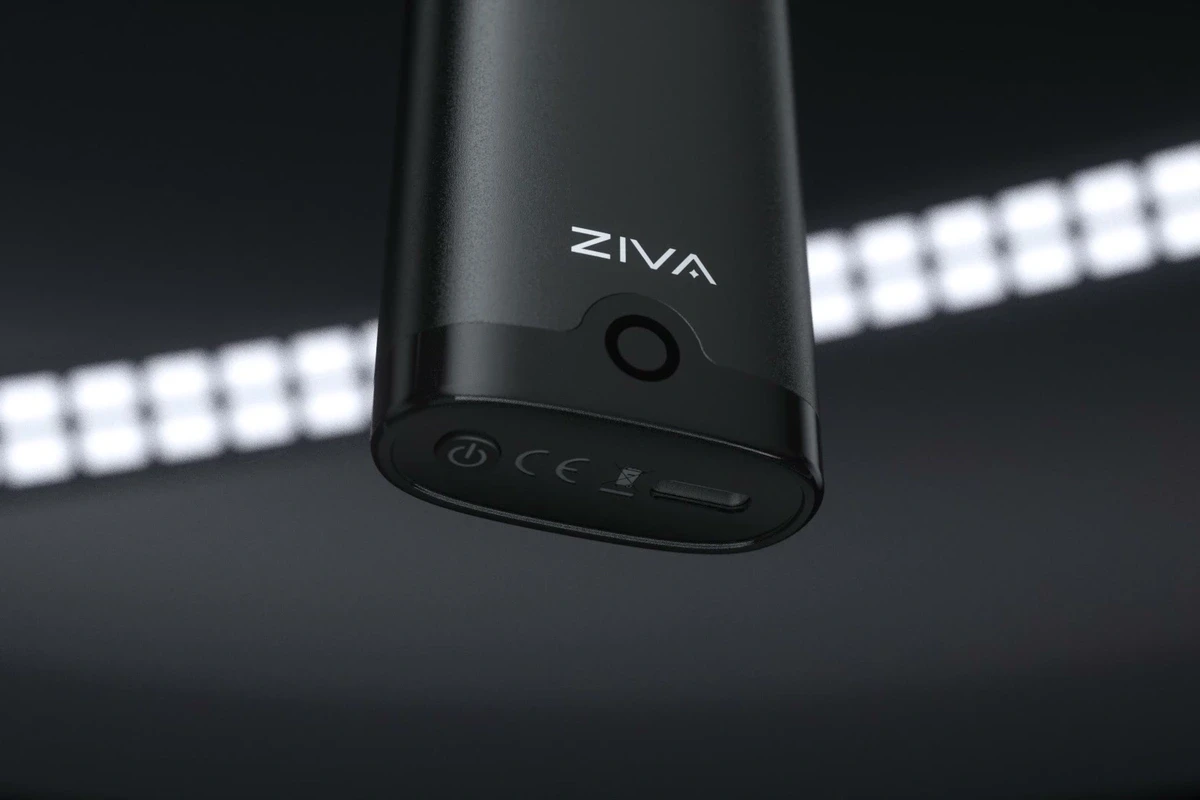
The easiest response to generative creative is to buy more polish: more hero images, more surreal worlds, more immaculate product animation. That can increase output without answering the question that matters at the point of purchase: why is this product worth more?
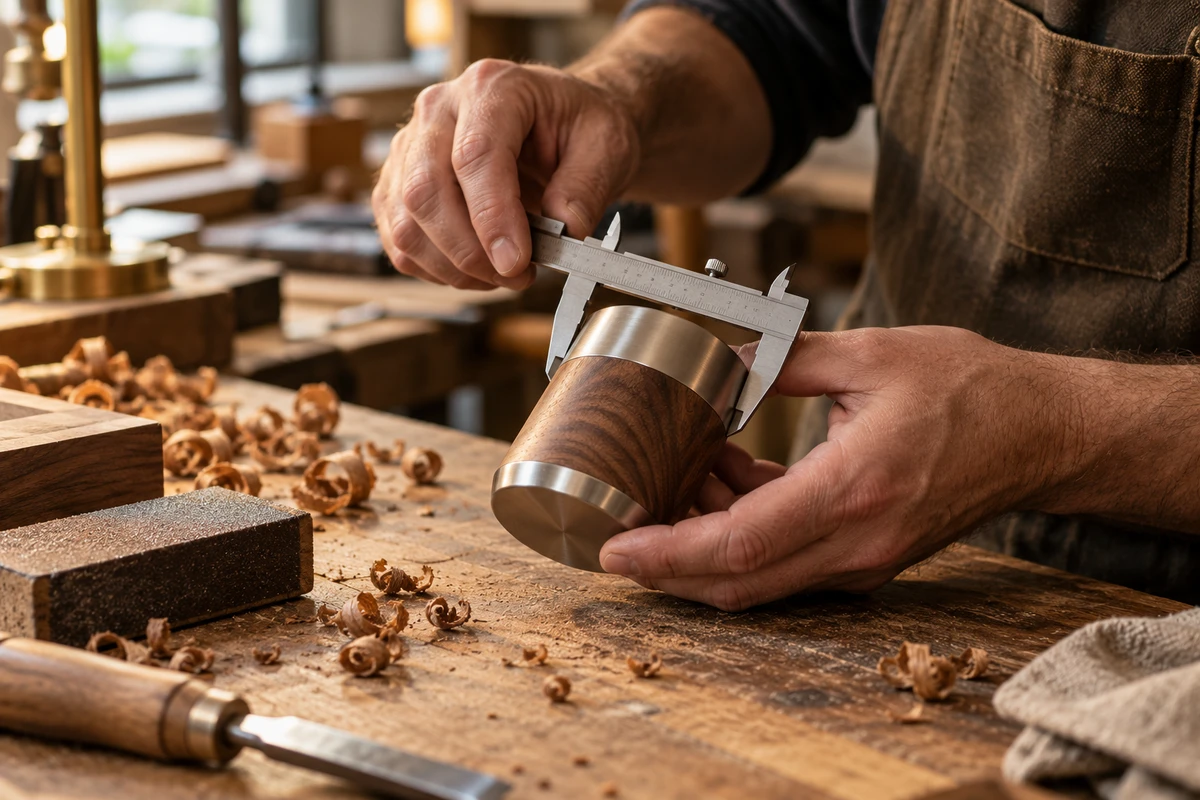
On October 1, 2026, Vogue Business described a visible response in fashion and luxury as “effort signaling.” Its examples included Abercrombie & Fitch’s miniature pasta jeans, hand-drawn animation commissioned by Hermès, and illustrated campaign work for Chanel. These examples do not prove that an entire industry has changed, and they do not prove that craft-led content converts. They do surface a sharper production decision: when visual polish is no longer scarce, should a brand film the effort behind the product instead?
ONCE’s answer is conditional. If the premium depends on materials, making, testing, or skilled judgment, capture the parts of the process that a prompt cannot verify. If the product competes mainly on price, assortment, or speed, a larger live-action shoot may add cost without adding a buying reason.
Start with the source of the premium
Products tend to fall into three useful production scenarios.
First are products whose value depends on material and craft: leather goods, jewelry, furniture, audio equipment, coffee tools, fragrance, food, textiles, and precision components. Customers are buying more than a silhouette. Selection, transformation, assembly, and durability all support the price. These projects benefit most from a real process library.
Second are products whose value depends on functional experience: beauty devices, appliances, smart hardware, and sports equipment. Live action still matters, but the subject is not “hard work” in the abstract. It is operation, structure, testing, and observable use. ONCE’s four-layer product video approach is useful here because process footage can support explanation, demonstration, objection handling, and trust at different stages.
Third are products differentiated mainly by price, style turnover, or distribution speed. These teams should not build an expensive craft story simply to appear authentic. A hybrid of AI, tabletop production, 3D, and existing assets will often be more rational, leaving budget for more SKUs, aspect ratios, and tests.
The Unpromptable Proof Grid
Before writing “premium,” “cinematic,” or “authentic” into a brief, identify four kinds of evidence that cannot be established by a generated image alone.
1. Material under pressure
Real material bends, frays, reflects, absorbs, springs back, and changes under heat or tools. A leather edge being burnished, metal being brushed, fabric recovering from tension, coffee blooming, or wood revealing grain after sanding explains value more clearly than another rotating hero shot.
Design the coverage around a before state, the point of contact, and the change that follows. The finished product shows what looks good. The material response shows why it is good.
2. Irreversible decisions
Cutting, blending, welding, bonding, assembling, baking, filling, and final calibration often contain a moment that cannot be casually undone. That moment turns “we care about quality” into an observable choice.
Capture the same action at three scales: a wide frame for the relationship between people, tools, and space; a medium frame for sequence; and a macro frame for contact. The resulting set can serve a brand film, product page, sales deck, retail screen, and social cutdowns without pretending they are separate productions.
3. Skilled correction
Craft is not only the perfect result. It is the ability to notice a deviation. A maker realigns a seam, an engineer rejects a reading, or a blender restarts a ratio. These moments can be more persuasive than an unqualified “zero defects” claim.
Do not stage a false mistake. Agree in advance which real judgments can be shown, which details are proprietary, and which claims require separate substantiation. Then use interviews, hand details, and instrument views to make the decision understandable.
4. What happens before release
Batch identification, inspection, cleaning, packaging, serialization, and sampling are often visually overlooked. Yet they answer practical buyer concerns. For B2B customers, they help explain repeatability. For consumers, they show what sits behind a warranty or service promise.
A marketing film is not a laboratory report or a compliance certificate. Safety, efficacy, and durability claims still need appropriate substantiation. The camera can communicate a verified process; it cannot create the verification.
Cost the proof library, not the number of films
The real cost of process-led production is broader than crew and editing:
Proof-asset cost = site preparation and operational disruption + samples and consumables + safety and confidentiality coordination + capture + versioning and cataloguing.
The investment case depends on reuse. Can the same verified footage support the brand film, PDP, Amazon or Shopify modules, sales enablement, trade-show screens, creator briefs, customer support, and short-form edits? If the shoot produces only one 60-second film, the economics may be weak. If one access day creates a labeled library that multiple teams can retrieve for a year, the procurement logic changes.
Add three fields to the brief and the estimate: the value claim that must be understood, the real action that supports it, and the portion of the process that may be made public. These fields are more commercially useful than starting with the number and duration of deliverables.
Use AI around the evidence, not instead of it
This is not an anti-AI argument. Generative tools are excellent for storyboards, set extensions, language versions, composition studies, and transitions that do not make factual product claims. Preserve live capture for material behavior, human judgment, tests, and traceable actions.
A practical model is “real core, generated shell.” Capture the proof on site; use AI, 3D, and post-production to build the visual world and market variants around it. The workflow keeps the speed advantage of generative tools without handing the brand’s hardest-to-copy value to a model available to every competitor.
If your team already prepares structured inputs for platforms, tag the footage by product, process, claim, territory, and usage rights, then add it to a brand input package. Process footage should not survive only as behind-the-scenes content. It should become a searchable, divisible, rights-aware brand asset.
Five questions for the next production meeting
- Does the price premium come from material, making, testing, or mainly from presentation?
- Which three real actions would help an unfamiliar buyer understand that investment?
- What can be filmed as fact, what must be demonstrated, and what must remain confidential?
- Which channels and sales moments must reuse this footage after the hero film launches?
- If the soundtrack and copy disappeared, what would the images still prove?
The confirmed fact is narrow: several fashion and luxury brands are making human effort and process more visible in their communications. Our analysis is that the same production logic applies beyond fashion when material, manufacturing, or expert judgment supports the premium. Our forecast is that as generated polish expands, “more beautiful” alone will become a weaker procurement argument, while footage that explains how a product comes into being will compound in value.
If your next brief says “premium” but cannot yet show why, ONCE VISUAL can help map the real process, decide what deserves live capture, and turn one production day into a reusable brand, commerce, and sales library.
Sources
- Kati Chitrakorn, “How ‘Effort Signaling’ Became Fashion’s Antithesis to AI,” Vogue Business, October 1, 2026.
- ICC Advertising and Marketing Communications Code, updated 2024. The Code is useful context for responsible marketing practice; it is not evidence that craft-led creative improves conversion.
Production examples and next steps
Define which images are exploratory and which must preserve a verified product. The AIGC off-road motorcycle concept film is a concept-work reference.
Review AIGC commercial production and Chasing Speed Through the Wild: An AIGC Off-Road Motorcycle Concept Commercial. To discuss your project, send the product references, proposed shots, review criteria and required outputs through the English project enquiry form.