How to define the real needs for multi-version delivery during project initiation
Global brand video projects must validate the alignment between communication goals and platform specifications at the initial stage. Marketing managers should not issue production instructions based solely on the vague concept of "omni-channel coverage." Instead, they must provide a specific list of placement platforms, recommended aspect ratios for each platform, target audience language preferences, and a prioritized list of core selling points. If this information is unavailable, the production team should pause script development and request supplementary basic materials before proceeding.
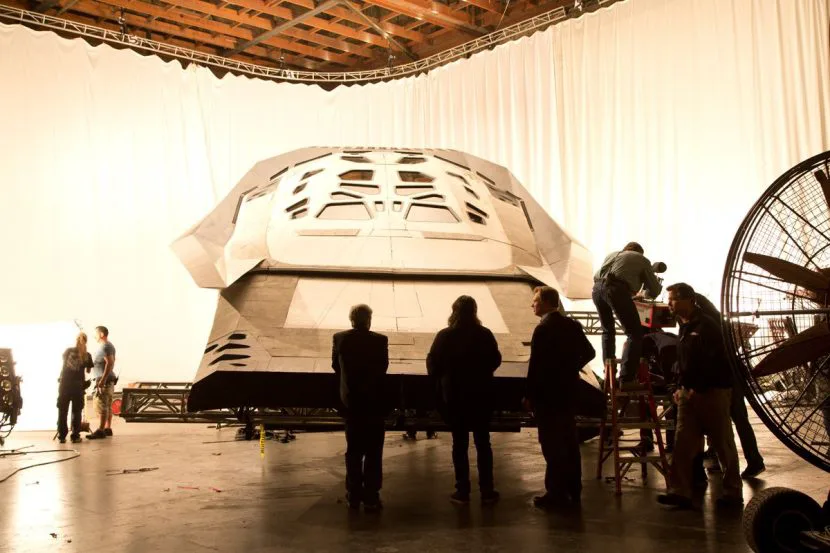
Dual landscape and portrait versions are not simply a matter of cropping. During project initiation, confirm whether both versions serve the same narrative function. If the landscape version is for official websites or exhibitions to build brand trust, while the portrait version is for social media feeds to drive clicks, they will inevitably differ in pacing, shot scale, and information density. In this case, treat them as two independent but related projects for budget and schedule assessment. Avoid applying a single-version quote to dual-version delivery, which leads to extensive rework due to composition conflicts in post-production.
Project initiation for multilingual versions must distinguish among three levels: dubbing, subtitles, and cultural adaptation. Replacing only the audio track constitutes basic localization, while lip-sync synchronization, cultural symbol replacement, or legal compliance adjustments constitute deep adaptation. Brands must specify the depth of adaptation for each language before signing the contract. Even well-produced content with unverified literal translations or failure to consider religious and political taboos in the target market can cause placement incidents. We recommend including cultural review as an independent acceptance milestone in the project workflow.
On-set decision-making mechanisms for accommodating multiple aspect ratios during shooting
Delivering both landscape and portrait content places high demands on on-set shooting. The Director of Photography must determine the safe frame range during location scouting and overlay reference lines for both aspect ratios on the monitor. Actor blocking, prop placement, and lighting setups must all fall within the dual safe zones. If it becomes clear on set that one aspect ratio cannot be accommodated, immediately activate the contingency plan, prioritizing compositional integrity for the primary placement platform rather than forcing a compromise that renders both versions unusable.
When multilingual shooting involves non-native speakers or foreign crews, on-set communication efficiency directly impacts footage quality. The production team should employ professional translators familiar with film terminology, rather than relying solely on general language assistants. Key performance directions, emotional requirements, and action details must be translated into the target language in advance and printed as bilingual call sheets. If actors have limited language proficiency, allocate extra time for pronunciation coaching or opt for post-production dubbing to avoid exhausting the schedule or lighting conditions due to repeated takes.
Sound capture strategies must be dynamically adjusted based on the number of post-production language versions. If planning more than three dubbed languages, use on-set synchronous sound only as a performance reference and ambient noise bed, without pursuing perfect recording, allowing resources to focus on visual precision. If there is only one foreign language version emphasizing realism, configure a recording engineer proficient in that language for on-set monitoring to ensure dialogue clarity meets standards. Incorrect sound strategies lead to either high costs for ADR in post-production or acceptance of audio flaws.
Version management and asset reuse logic in post-production
Establish strict project naming conventions and version tree structures during editing. Master timelines, aspect-ratio derivatives, language audio tracks, subtitle files, and final outputs must be archived in layers. Do not mix multiple final delivery versions in the same project to prevent accidental overwriting of approved content. Verify consistency between version numbers and the delivery checklist before each export to avoid sending wrong files or omitting a language due to filename confusion.
Color grading and VFX assets should support cross-aspect-ratio reuse. Colorists should establish the base color style on the landscape master, then make local adjustments for the portrait crop area, rather than starting from scratch. CGI or AIGC-generated background elements should retain sufficient resolution and edge margin to accommodate recomposition for different ratios. If raw footage cannot meet portrait composition needs, provide feedback early rather than discovering errors or insufficient quality during the color grading stage.
Synchronization verification of multilingual subtitles and dubbing is the most error-prone step in post-production. Do not rely solely on automated tools; native speakers must verify timecodes, semantic accuracy, and lip-sync match sentence by sentence. For versions relying solely on subtitles without dubbing, also check whether text positions are obscured by UI elements, whether font sizes are readable on mobile devices, and whether colors provide sufficient contrast against the background. These details directly impact overseas users' viewing experience and information reception efficiency.
Differentiated acceptance standards for landscape and portrait finals
Landscape version acceptance should focus on brand tonality consistency and information completeness. Key checks include core product exposure duration, brand logo placement compliance with VI guidelines, narrative logic coherence, and color style uniformity with other official materials. For B2B scenarios, also verify the accuracy of technical parameter displays and authorization basis for case data. Any visual elements deviating from the brand manual should be marked for revision.
Portrait version acceptance must prioritize mobile viewing experience. Testers should play full-screen on real mobile devices to check if key information is within the central safe zone, if text is too small or dense, if the first three seconds have enough hooks to retain attention, and if transition pacing fits short-video platform user habits. Do not substitute preview windows on computer monitors for real-device testing, as factors like touch interaction, ambient light interference, and distraction only reveal issues in real scenarios.
Conduct cross-consistency reviews between the two versions. While differences in pacing and shot scale are allowed, core selling points, brand propositions, and emotional tones must not contradict. For example, if the landscape version emphasizes high-end professionalism while the portrait version uses mocking internet memes, it causes cognitive confusion. During acceptance, play both versions side-by-side to confirm they support the same brand persona. If fragmentation is detected, recalibrate at the script stage rather than merely patching it in editing.
Key points for checking localization quality of multilingual content
Dubbing acceptance should not only assess pronunciation standardness but also evaluate whether tone, speed, and emotion match the visuals. Native reviewers must check the original script for selling point loss due to excessive paraphrasing or inappropriate expressions caused by cultural misunderstandings. For technically strong product videos, also verify the industry commonality of professional terms in the target language to avoid using obscure words or incorrect abbreviations that affect credibility.
Subtitle acceptance must balance linguistic accuracy and visual standards. Beyond content correctness, check if line breaks fit the target language's reading habits, if punctuation is correct, and if special characters display properly. For languages written right-to-left, such as Arabic, separately verify compatibility of layout direction and animation effects. Subtitle timing must strictly synchronize with voice; delays or advances exceeding a certain frame count are considered unacceptable.
Legal and compliance review is the final line of defense for multilingual acceptance. Different countries have varying regulations on advertising claims, data privacy, and child protection. Brands should provide compliance guidelines for target markets or obtain audit opinions from local legal counsel. The production team uses this to check for prohibited terms, missing disclaimers, unauthorized music, or likeness issues in the video. Multilingual versions without compliance confirmation must not enter the delivery process, otherwise facing risks of takedown, fines, or even litigation.
Deliverables list and source file management standards
Final delivery should not consist only of finished video files. The complete delivery package must include subtitle-free masters for all language versions, subtitled broadcast tapes, split-track audio files, editable subtitle files, font license proofs, and music copyright credentials. Missing any component limits the brand's ability for secondary creation or emergency modifications. The contract should clearly list the deliverablesming xi biao, with items checked off during acceptance.
Source file archiving must consider long-term usability. Project files should be packaged with plugin lists, font packages, and proxy media instructions to ensure they can be opened after changing equipment or software three years later. If AIGC tools generate key assets, save prompt records and generation parameters for future style continuity or copyright tracing. Unorganized scattered materials should not be delivered, as their actual value is near zero.
Post-delivery modification rights and response mechanisms are also part of acceptance. Brands should confirm which types of issues can be corrected free of charge within the agreed period and how out-of-scope requests are billed. The production team must clearly define the boundary of technical support after source file handover, such as no longer being responsible for third-party platform upload failures or encoding compatibility issues. Clear division of responsibilities avoids endless disputes after delivery.
Applicable boundaries and risk warnings for global brand video production
Not all brand content is suitable for producing multiple versions and languages at once. If a brand has not established basic awareness in the target market, blindly pursuing full-format coverage dilutes resources; it is better to concentrate efforts on creating one high-quality master version for testing. When budget or schedule falls below industry reasonable benchmarks, forcibly compressing production steps only yields large amounts of wasted footage. In this case, reduce the number of versions or postpone the project rather than lowering the quality standard for a single version.
Although AIGC technology can improve production efficiency for multilingual or multi-aspect-ratio content, its applicability has clear limits. Currently, AI-generated faces, hands, or complex physical interactions still carry instability risks and are unsuitable for product displays emphasizing authenticity or precision. If using AIGC for creative assistance or background generation, manually check for flaws frame by frame during acceptance and bear the resulting copyright uncertainty. Processes fully relying on AI without human supervision are not suitable for commercial-grade global brand videos.
The depth of cultural adaptation depends on the brand's strategic positioning in the local market. For short-term promotions or test placements, basic translation plus subtitles may suffice; for building long-term brand assets, investment in local creative teams for script restructuring is necessary. Mismatched adaptation depth leads to either wasting budget on over-localization or damaging brand image due to cultural barriers. This judgment should be made jointly by marketing and production teams during project initiation, not left for post-production remediation.
Next step recommendations
If you are preparing a global brand video project, we suggest organizing existing overseas marketing materials, current status of target platform accounts, and past content performance data before holding a requirements alignment meeting with the production team. ONCE provides production services for global brand videos, overseas marketing videos, international commercials, and social media short videos, assisting you in outlining multi-version delivery paths and localization execution plans. Please attach preliminary communication goals and platform planning when contacting us so we can provide more practical collaboration suggestions.
If you are preparing a global brand video project, you can first organize the Brief, reference visuals, product or corporate materials, delivery platforms, and copyright scope, then view theOverseas Marketing Video Services page, to ground communication from abstract preferences to executable production boundaries.