Environmental Narrative Logic at the Project Initiation Stage
The core of a corporate video lies in transforming physical space into brand assets. During initial planning, the brand must clarify whether the campus environment serves to showcase scale, demonstrate process rigor, or convey humanistic care. For tech-oriented brands, cinematography should emphasize lines, order, and cool lighting. For eco-friendly manufacturers, capture the integration of natural light, vegetation, and architecture. Decision-makers should avoid merely listing building exteriors and instead consider how space substantiates core selling points. For example, a cleanroom’s dust-free environment directly correlates with high-purity product requirements.
Specific actions at the initiation stage include convening branding, production, and creative teams for a narrative positioning meeting to break down brand propositions and map them to specific campus locations. The criterion is that each core selling point must have at least one corresponding visual carrier within the campus. If a selling point cannot be translated into spatial imagery, adjust the narrative focus during scripting. The risk here is vague goals leading to redundant footage or missing key details. Brands should prepare a brief including target audience, distribution channels, and competitor references as a basis for creative development. This document requires executive sign-off to prevent later changes to core demands.
Pre-production Checklist and Risk Assessment
Before the production team arrives, the brand must provide detailed floor plans, personnel and logistics flow descriptions, and permits for special areas. For campuses involving precision instruments or confidential processes, define shootable and restricted zones in advance. Reference visuals should specify shot size, camera movement, and lighting texture. For grand narratives, provide safe airspace information for wide-angle aerial shots. For micro-details, confirm the size and reflectivity of macro subjects.
The specific pre-production action is thorough location scouting. The production team must bring light meters, rangefinders, and oscilloscopes to record light changes and acoustic environments at different times. The scouting report must include simulated morning, noon, and evening lighting for each planned camera position, ambient noise level records, and shading solutions for reflective objects. A common risk is mismatched site conditions, such as severe glass curtain wall reflections interfering with indoor shoots or excessive noise affecting synchronous audio recording. The solution is to include alternatives in the script and prepare at least one backup angle for each core scene. Also coordinate scene and personnel arrangements, confirming on-camera employee lists, dress codes, and safety training records to ensure orderly scheduling and compliance with production norms during filming.
Visual Translation Strategies During Shooting Execution
Shooting concretizes abstract positioning. Cinematographers must choose lens focal lengths and movement trajectories based on brand tone. To portray stability and reliability, use fixed positions or slow push-pull movements to emphasize structural stability. To convey innovation and vitality, use handheld or fast-moving shots to increase visual tension. Lighting design should complement existing environmental light to avoid excessive artificiality that undermines authenticity.
For large campuses, aerial shots provide a global perspective but require attention to flight safety and regulatory limits. Ground shooting should focus on human-space interaction; employee work states and visitor flows are key elements that bring space to life. Specific shooting actions include daily morning lens reviews and waiting for optimal light. Cinematographers must adjust wide-angle panorama timing based on solar elevation to ensure coordinated buildingli ti gan (three-dimensionality) and shadow proportions. The standard is no highlight clipping, retained detail in shadows, and absolutely level horizons. The main execution risk is weather changes or production schedule adjustments causing interruptions. Teams should maintain backup schedules and prioritize core scene capture to preserve main content even if timelines compress. For human-space interaction shots, guide on-camera employees to maintain natural work states without looking at the lens; the standard is actions consistent with real production processes, without signs of staged performance.
Structural Building and Pacing Control in Post-Production Editing
Post-production reconstructs spatial narrative. Editors must link scattered scenes into a causal visual flow based on script logic. Openings typically establish spatial awareness with wide shots, then move to medium-close-ups of specific business scenarios, ending with close-ups or facial expressions to create emotional resonance. Pacing must match background music emotions; fast cuts suit efficient production displays, while slow pacing cultivates a premium feel.
Color grading must unify the overall tone to reinforce brand color memory points. Sound design is equally important; environmental sounds like machine operations or footsteps enhance immersion but require noise reduction to avoid interfering with voiceovers. Specific post-production actions involve building a three-act timeline: start with environmental wide shots, cut to process details, and conclude with brand vision. Editors must mark and select usable clips with coherent action and accurate focus. The standard is correct axis relationships between shots, smooth motion continuity, and no visual jumps from jump cuts. Color grading involves primary correction for white balance and exposure, followed by secondary grading to strengthen brand visual symbols. The standard is natural skin tones, reasonable highlights on metal and glass, and unified color space. The risk here is over-relying on effects to mask shooting deficiencies, leading toshi zhen (distortion). Prioritize source material quality, using effects only as aids.
Multidimensional Delivery and Acceptance Standards
Acceptance should occur in stages to avoid major revisions after final delivery. First, review the rough cut to confirm narrative structure, shot order, and completeness of core information. Second, review the fine cut to check transition smoothness, subtitle accuracy, and music licensing. Finally, accept the final version after color grading and mixing, ensuring color consistency across display devices and volume compliance with platform standards.
The specific acceptance action is establishing a frame-by-frame review mechanism. Brands must cross-check against the confirmed storyboard and brief, focusing on proper brand logo usage and avoidance of sensitive information. The rough cut must include all core narrative segments with accurate voiceover-picture alignment. The fine cut must eliminate all visible errors, such as camera reflections on equipment screens or non-shoot area staffshen ying (silhouettes). Final acceptance requires playback on standard monitors and mobile screens; standards include no color shift, reasonable dynamic range, and non-clipping audio peaks. Contractually define delivery of source and project files for future development. If key visuals are missing or logic breaks, clearly specify modification directions in acceptance feedback, providing specific timecodes and suggestions for precise edits. Acceptance outcomes directly determine final payment and future cooperation trust.
Risk Assessment and Inapplicable Boundaries
Not all brand promotions suit campus environments as the protagonist. If core value lies in software algorithms, consulting services, or intangible assets, displaying physical space may appear empty and unconvincing. In such cases, switch to data visualization, customer testimonials, or situational dramas. Additionally, if campus facilities are outdated, layout is chaotic, or severely misaligned with brand image, forced shooting exposes weaknesses. In these cases, use close-ups, abstract graphics, or AIGC-generated visuals to circumventshi jing (real-scene) defects.
Another inapplicable scenario is extremely limited budget and tight deadlines. High-quality environment shooting requires sufficient time for lighting and scheduling; rushing often results in poor image quality and casual composition, damaging brand professionalism. Specific risk assessment actions include site inspections and asset evaluation before project launch. Producers should shoot current campus video samples and perform preliminary color tests in post-production software. The standard is whether graded footage can achieve the visual atmosphere required by brand positioning. If raw images lack information or have cluttered composition, deemshi jing (real-scene) shooting inapplicable. Decision-makers must honestly assess resources and status to choose the most matching visual strategy. For highly confidential factories where permits cannot be obtained or clearing is impossible, this also falls under inapplicable boundaries; immediately switch to 3D animation production.
Restrained Next Step Recommendations
Before launching, brands should internally clarify core selling points and audience personas, then communicate creative direction with the production team. Create a simple mood board with preferred visual references, which aligns aesthetic judgments better than text descriptions. Also, check latest technical specifications of distribution platforms to ensure format compliance. If uncertain about shooting effects, request sample tests or trial shots from the production team. Maintain an open but prudent attitude, focusing on logical self-consistency and emotional connection rather than blind pursuit of flashy techniques. ONCE’s official website lists services including corporate and brand video production as a preliminary consultation channel, but specific execution requires customized assessment based on actual project needs.
The specific next step is holding an internal initiation meeting to output a brief containing brand positioning, target audience, and core distribution channels. Then invite the production team for onsite scouting to jointly confirm visual style and shooting feasibility. The standard is mutual agreement on the brief and scouting report backup positions covering all core selling points. Before confirming execution, request a 10–15 second trial color-graded sample from the producer, viewed on specified displays to confirm light-shadow texture and color tone align with brand identity before fully advancing the shooting plan.
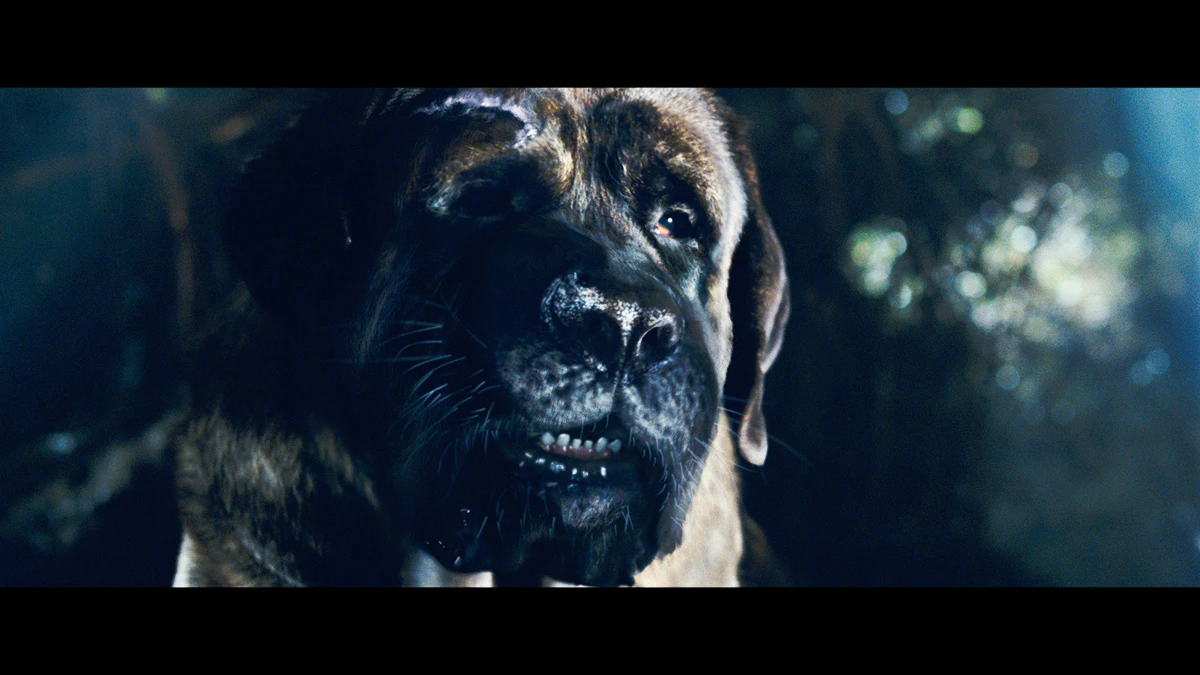
If you are preparing a corporate video project, first organize your brief, reference visuals, product or company materials, delivery platforms, and copyright scope, then viewthe Corporate Video Service Pageto translate communication from abstract preferences into executable production boundaries.