Core Decision Logic During Project Initiation
Before launching acorporate videoproject, decision-makers must clarify whether employee stories serve as emotional vehicles or business evidence. If the former, the focus is on capturing authentic emotions and work states to build brand warmth through empathy. If the latter, stories must directly reflect product advantages or service processes, using individual experiences to validate corporate strength. The brand should prepare a brief including core audience profiles, channel characteristics, and expected conversion behaviors. The production team must assess narrative feasibility based on this to avoid extremes of pure sentimentality or excessive preaching. The risk lies in vague goals leading to redundant footage; the result is often an unfocused final cut that fails to retain viewers on short-video platforms or website homepages.
Specifically, the brand must hold an internal strategy alignment meeting to determine if the primary placement is industry expos, the website homepage, or social media feeds. Different scenarios demand distinct narrative pacing. The criterion is whether you can clearly describe in three sentences who is watching, what they are watching, and what they should do afterward. If these questions cannot be answered clearly, the project foundation is unstable. Do not rush into the creative phase; instead, revisit the brand communication strategy. The production team should provide preliminary narrative framework suggestions based on the brief, indicating the weight of employee stories in the overall structure. If employee stories dominate but lack relevance to core business, issue a warning and adjust the ratio promptly. Only with clear strategic goals can subsequent execution be targeted effectively.
Pre-production Preparation and Script Development
Effective script development relies on authentic internal insights. The brand must provide employee interview recordings, daily work photos, and timelines of key business milestones. Screenwriters should not fabricate plots but extract conflicts and resolutions from this raw material. Storyboards must allow room for improvisation, as real employees often perform stiffly but sincerely. Confirm whether shooting locations allow natural light and if cross-departmental schedules need coordination. Without authentic details, scripts feel hollow, preventing actors from getting into character during filming and increasing reshoot costs. The standard is whether the script contains executable visual descriptions rather than remaining at the textual concept level.
In execution, planners must conduct semi-structured interviews on the front lines to uncover employees' highlight and lowest moments. These details create narrative tension. Scriptwriting should avoid piling up adjectives, using verbs and nouns to depict scenes instead. For example, instead of writing he works hard, write At 3 AM, his was the only light left in the office, the sound of typing echoing down the empty hallway. Also, mark which segments allow free expression and which require strict adherence to dialogue. This balanced structure ensures accurate brand messaging while preserving character vitality. If a script is full of abstract concepts that cannot translate into specific shot language, it is unqualified and must be rewritten until every paragraph has a corresponding visual concept.
Location Scouting and Personnel Scheduling
On-site scouting is fundamental to ensuring smooth filming. The production team must confirm power outlets, noise sources, and lighting patterns in offices, production lines, or exterior locations in advance. For multi-department collaboration scenes, create call sheets precise to the hour, specifying arrival times and dress codes for every on-camera employee. Prioritize frontline staff who express themselves naturally and fit the brand tone over senior executives. Inform participants of the process beforehand to ease anxiety, but avoid over-rehearsing to maintain spontaneity. If the environment is complex, prepare backup plans for contingencies like unexpected meetings occupying spaces or key equipment failures.
Bring light meters and decibel meters during scouting to quantify environmental data. Plan supplemental lighting for dim areas to prevent excessive noise in post-production. Determine audio capture methods for noisy workshops, choosing between directional microphones or ADR. Establish dedicated communication groups for scheduling, send detailed notices three days in advance, and reconfirm the day before shooting. Directors should provide basic camera awareness training to non-professional employees before filming to help them relax physically. The standard is the execution of the call sheet and on-set orderliness. Mass tardiness, incorrect attire, or venue conflicts indicate serious pre-production oversights. Excellent scheduling makes the set run like clockwork, minimizing disruption to normal business operations.
Execution Trade-offs On Set
When filming employee stories, the Director of Photography must balance aesthetics with authenticity. Telephoto lenses capture micro-expressions to enhance immersion but may sacrifice environmental context. Lighting should avoid excessive dramatization; preserving the natural texture of offices or workshops is more important. Audio recording is critical, as on-set ambient sound is often more convincing than post-production dubbing. The production team must clear background clutter beforehand while retaining industry-specific props. The risk is over-directing employees, resulting in unnatural performances. An exception applies to areas involving confidential processes, where close-ups or alternative shots are needed to prevent leaks. The execution standard balances information density with emotional intensity, ensuring every frame serves the main narrative.
Cinematographers must maintain breathing room in composition, avoiding overly rigid staging. Use dual cameras for interviews—one for wide shots and one for close-ups—to provide ample editing options. Gaffers should simulate natural lighting to avoid harsh shadows, rendering healthy, natural skin tones. Sound recordists must monitor via headphones throughout to ensure no electrical hum or sudden noise interference occurs. If an employee seems uncomfortable, the director should adjust the schedule, starting with simple B-roll or group shots until they relax before tackling core scenes. The standard is whether playback reveals genuine emotional flow rather than just a polished static image. If visuals are beautiful but eyes look vacant, re-guide the subject or change the talent.
Narrative Reconstruction in Post-Production Editing
Editors face massive amounts of fragmented, authentic footage. The primary task is structuring the timeline to ensure story logic aligns with brand propositions rather than merely chronicling events. Pacing must match target platform viewing habits; social media versions need visual hooks in the first few seconds. Sound design should enhance atmosphere with keyboard clicks or machine hums to boost immersion. Color grading must be consistent to avoid temperature shifts from multi-camera or multi-day shoots. If footage quality varies, consider black-and-white treatment or motion graphics to mask flaws. Delivery success depends on feedback efficiency for the rough cut; frequent structural changes cause delays. The criterion is whether audiences understand the storyline without voiceover assistance.
During editing, follow the principle of subtraction by removing all shots irrelevant to the core theme. Even beautifully shot footage must be discarded if it contributes nothing to the narrative. Carefully select background music so its emotional arc syncs with visuals. Lower music volume at key turning points to highlight voices or ambient sound for greater impact. Apply unified LUT presets to ensure consistent color grading compliant with brand visual standards. Bridge missing footage or logical gaps with relevant B-roll, charts, or animations. The standard is the final film's flow and emotional resonance. If viewers feel confused or disconnected, the pacing or logic needs adjustment.
Multi-dimensional Acceptance Checklist
Acceptance checks must be itemized, not lumped together. First, verify technical specs like resolution, frame rate, and codec against platform requirements. Second, check subtitle accuracy, especially spelling of technical terms and names. Confirm background music licensing scope and mix balance to ensure vocal clarity. Finally, review brand element placement, including logo position, standard colors, and slogan presentation. The brand should designate a single point of contact to consolidate feedback and avoid conflicting instructions. Major logical flaws or technical defects require remakes rather than patches. Acceptance requires meeting all technical metrics and conveying core messages accurately.
Operationally, test the final cut on various devices using professional players, including large TVs, monitors, and phones. Check for pixelation, stuttering, or sync issues. Proofread subtitles character by character to eliminate typos, punctuation errors, and timing offsets. Obtain authorization certificates for all music, fonts, and assets to mitigate legal risks. Strictly cross-reference brand elements against the VI manual to ensure exact matches in color values, typography, and logo proportions. For multilingual versions, verify translation accuracy and cultural adaptation. The standard is broadcast-level quality with zero compliance risks. Only comprehensive technical and content review confirms the final deliverable.
Boundary Conditions Where This Model Does Not Apply
Not allcorporate videosare suitable for integrating employee stories. During crisis PR or when emphasizing hard technical parameters, personal narratives may undermine professional authority. If internal culture lacks consensus, forcing harmonious team imagery can trigger internal resistance or external skepticism. Furthermore, projects with extremely low budgets and tight timelines cannot support deep interviews or refined post-production; pure graphics or product demos are safer choices. Ignoring these boundaries risks resource misallocation or even negative public opinion. Decision-makers must objectively assess their current stage and avoid blindly following emotional storytelling trends.
In B2B high-tech sectors, clients prioritize performance metrics and solution effectiveness; here, employee stories should be supplementary, not central. If recent labor disputes or management turmoil occurred, filming employee stories may be interpreted as whitewashing, causing backlash. For startups with unstable core teams, prematurely crafting heroic personal images poses management risks. The criterion is whether employee stories match the current brand strategy stage. If any risk factors exist, pause such filming and adopt more objective, rational expressions. Employee stories maximize communication value only when corporate culture is healthy, brand image is stable, and resources are sufficient.
Recommended Next Steps
Marketing leaders should first inventory existing video assets and employee willingness internally before discussing initial concepts with production teams. The ONCE website lists services covering corporate videos, brand films, and AIGC video production, matching specialized teams to specific needs. Before signing contracts, clarify copyright ownership and revision limits to protect both parties. Respecting content authenticity gives brand stories lasting vitality. Execution should start with a Minimum Viable Product, iterating gradually to ensure every investment accumulates effective brand equity.
Specifically, pilot with one or two representative employees to produce a short film testing market response. Adjust narrative strategy and workflows based on feedback before scaling up. Simultaneously, build an internal asset library by accumulating candid moments of work life to stockpile resources for future productions. Maintain open, transparent communication with production teams, syncing regularly on progress and issues. Contract terms must define deliverable standards and acceptance processes for each phase to avoid later disputes. Ultimately, continuous iteration creates brand video assets that combine emotional warmth with commercial value, helping enterprises stand out in fierce competition.
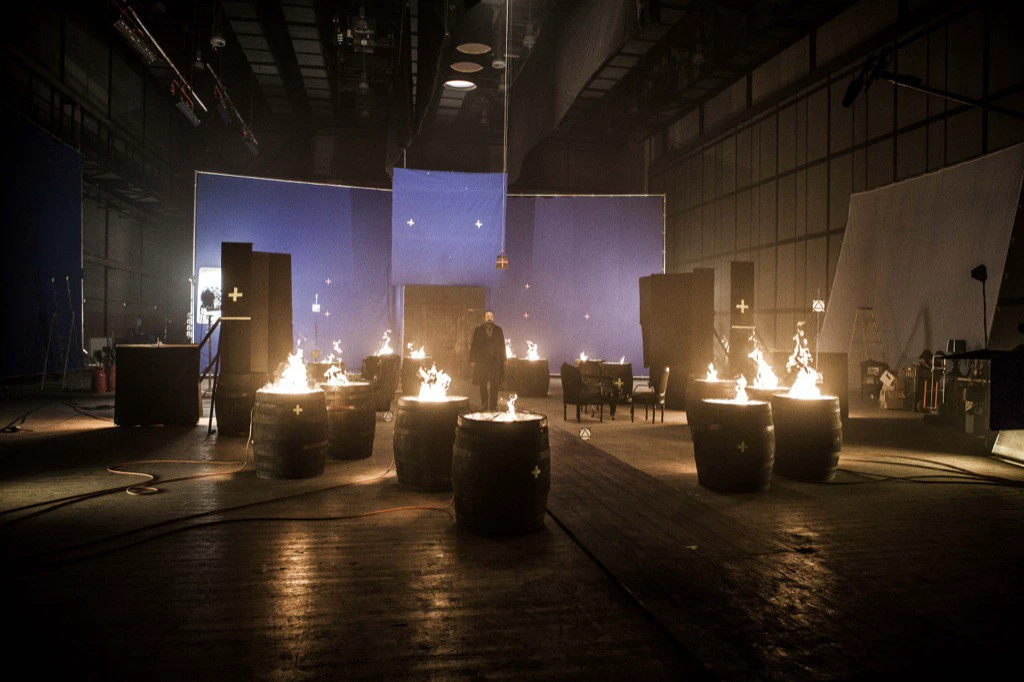
If preparing a corporate video project, organize your brief, reference visuals, product or company materials, delivery platforms, and licensing scope first, then visit theCorporate Video Services pageto translate abstract preferences into executable production parameters.