The sequence of feature demonstrations determines conversion efficiency, so the logic must be clearly defined during project initiation.
The core objective of an Amazon product video is to help buyers quickly understand how the product solves their problems. The sequence of feature demonstrations directly affects viewer comprehension speed and purchase confidence. A poorly sequenced video can confuse buyers and cause them to leave the page, regardless of visual quality. During project initiation, brands and production teams must jointly establish the primary narrative logic rather than making ad-hoc adjustments during filming.
We recommend a five-part structure: problem scenario, core features, operational feedback, comparative verification, and usage scenarios. Problem scenarios create relatability; core features directly address pain points; operational feedback demonstrates real-world use; comparative verification highlights advantages; and usage scenarios stimulate purchase intent. This sequence aligns with the buyer's psychological journey from awareness to decision-making and facilitates editing into versions of varying lengths.
Brands must prepare product manuals, FAQs, competitor video analyses, and target buyer personas. The production team must verify that the product functions correctly, determine if props are needed, and assess safety risks during demonstration. For complex products, prioritize features by listing core selling points in the first 15 seconds, secondary features in the middle, and add-ons at the end. The benchmark is whether a new buyer can identify the product's primary use after watching the first 30 seconds.
The risk is that too many features make the video lengthy and test buyer patience. An exception applies to professional equipment where buyers prioritize technical specs; here, follow the operational workflow rather than selling-point priority. Improper sequencing can lower conversion rates and waste ad spend, so thorough planning during project initiation is essential.
Extract visual pacing from reference cases, but do not copy their factual content.
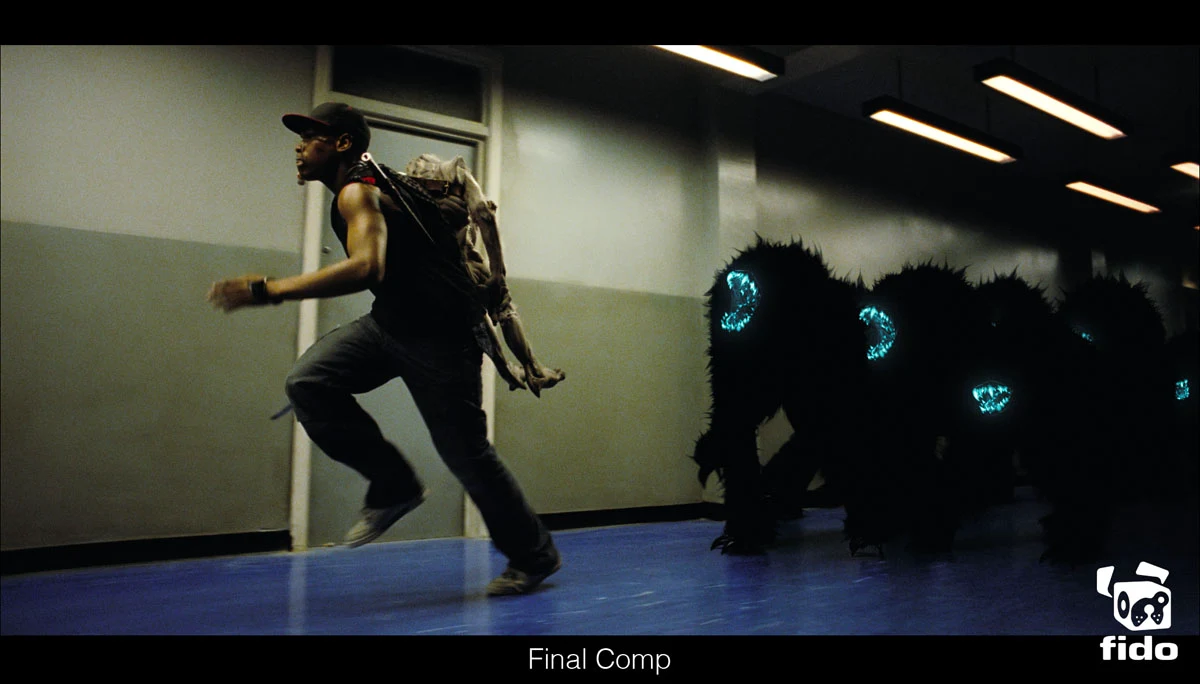
Reference case titles and links serve only as thematic inspiration, such as rhythm control in action scenes or using visual impact for storytelling. Amazon product videos also require rhythm, but clarity remains the priority. While cut frequency, camera movement, and sound design from references can inspire engaging demonstrations, never incorporate specific clients, titles, years, or production details from those cases into ONCE project facts.
Production teams may reference storyboard logic from cases, such as using close-ups for key components, slow motion for operational details, or contrast shots to highlight improvements. However, every product is unique, and demonstrations must reflect actual design. Brands must provide physical units or high-fidelity models for testing camera angles and movements. If mass production hasn't started, confirm if 3D models or animation are viable substitutes, though animation cannot replace real operation demos without risking buyer trust.
Every demonstration shot must serve a clear purpose: answering questions, reinforcing advantages, or creating memorable moments. Remove any shot lacking justification. Overemphasizing visuals over clarity risks leaving buyers remembering the imagery but not the features. Exceptionally, highly aesthetic products may include beauty shots, capped at 20% of total runtime. Poorly paced videos may gain social media views but fail to convert on Amazon.
Confirm product condition, set arrangement, and demonstration feasibility before filming.
Common on-set issues include products failing to perform as scripted or unnatural handling. Therefore, conduct at least one technical rehearsal beforehand. Brands must ensure batteries are charged, accessories are complete, and operations run smoothly; test Bluetooth or Wi-Fi connectivity in advance if app integration is required. The crew must verify adequate space, even lighting, and absence of glare or shadows obscuring product details.
Strictly follow the scripted demonstration sequence during filming while allowing flexibility. Group shoots by functional module with individual slate notes for easy post-production retrieval. Prepare macro lenses or extension tubes for close-up details. Record clean audio separately for operational sounds like clicks or beeps to avoid ambient noise interference.
Altering the demo sequence on set risks disorganized footage and editing mismatches. If a product malfunctions during filming, stop immediately and resume only after repairs; do not force the shoot. Incomplete footage leads to rejection and costly reshoots, so use a pre-shoot checklist to verify every item.
Post-production editing should reorganize feature sequences based on viewer logic rather than shooting order.
Footage is grouped by module during shooting but must be reordered for buyer viewing logic during editing. Typically, edit a full version within platform limits first, then a 15-second highlight cut for ads. Ensure clear start and end points for each feature demo to maintain smooth motion without jarring jumps. If a demo shot is unsatisfactory, replace it with backup footage from another angle, provided lighting and color tone match the main shot.
Color grading must be consistent to avoid noticeable differences between clips shot at different times. Audio should be layered with ambient sound, operational effects, voiceover, and background music at balanced levels, ensuring clear narration. Subtitles must be accurate with correct English spelling and grammar to aid international Amazon buyers. If distributing across multiple platforms, export masters in various resolutions and bitrates according to the latest official requirements.
The standard is that every feature demo in the full video has clear start and end points, allowing buyers to follow easily. A risk is prioritizing effects over information density, resulting in style over substance. An exception applies if product features are intuitive, allowing reduced narration in favor of visuals and sound effects. Failure to meet standards delays listing; therefore, conduct multiple internal reviews during editing and gather feedback from viewers unfamiliar with the product.
The acceptance phase requires verifying the script, visuals, audio, subtitles, and deliverable versions item by item.
Acceptance focuses on checking items against the approved script, storyboard, and feature list. The brand must confirm features appear sequentially without omissions or ordering errors. Visuals must show clear product appearance and smooth operation, free of continuity errors like visible crew hands or reflectors. Audio checks must ensure narration syncs with visuals, background music does not overpower operational sounds, and there is no noise or distortion.
Check subtitles for spelling, grammar, and line breaks to ensure readability on mobile screens. Verify that resolution, frame rate, and format for each platform meet requirements based on the latest official specifications. Deliver complete source files, including project files, raw footage, audio tracks, subtitle files, and masters, to facilitate future edits.
The standard requires a definitive pass or revision status for every acceptance item without ambiguity. A risk is checking only the final video while neglecting source files, making future edits difficult if raw assets are missing. An exception applies if the brand requests only the final video; this must be specified in the contract to avoid disputes. Lax acceptance can lead to basic errors post-launch that damage brand image, so this phase must be rigorous.
Feature demonstration sequencing does not apply to all products; boundaries must be defined.
Not all Amazon products suit feature-demonstration sequencing. For consumables like food or skincare, buyers prioritize results and ingredients over steps; structure should focus on effects, ingredients, and before-and-after comparisons. For decorative items like lamps or ornaments, buyers value aesthetics and ambiance over functional demos; videos should emphasize lifestyle scenes instead.
If the product is virtual, such as an eBook or online course, and physical operation cannot be shown, use screen recordings or animations sequenced according to the user learning path. If the product is in the prototype stage with no physical unit available, rely on 3D renders or animations based on design documents, but clearly label them as conceptual demonstrations to avoid misleading buyers.
The key criterion is whether the video enables buyers to make a purchase decision after viewing; if the feature demonstration sequence fails to achieve this, consider alternative structures. The risk is that forcing a feature-based sequence can make the video feel rigid and may even alienate buyers. An exception applies when product functionality is the core selling point, such as with smart devices or tools, where a feature demonstration sequence remains the best choice. Using an inappropriate structure wastes production budgets, so clearly define the product type and buyer needs upfront.
We recommend starting with a feature list, prioritizing it internally before contacting the production team.
When preparing an Amazon product video, do not rush into filming; first compile a comprehensive feature list detailing operation methods, demonstration complexity, and buyer value for each feature. Then prioritize features based on buyer decision logic, placing core selling points first and secondary features later. This prioritized list serves as a foundation for scriptwriting and a starting point for communication with the production team. If internal prioritization is difficult, conduct small-scale research with target users to identify which features matter most to them.
When contacting the production team, provide the feature list, physical product or model, reference video links, target platform, and expected release date. The team will propose a shooting plan and quote based on this information, subject to mutual negotiation. ONCE’s website lists services including corporate videos, brand films, TVCs, product videos, overseas marketing videos, social media shorts, and AIGC video production; inquiries are welcome. However, ONCE does not fabricate client cases or guarantee specific results, and all collaboration details are governed by contract.
Finally, allow at least one week for revisions before the deadline, as post-production editing, color grading, subtitles, and final delivery require time. Notify the production team promptly of any product updates or feature changes to prevent discrepancies between the video and the actual product upon release. Remember, the goal of a feature demonstration sequence is to help buyers quickly understand product value, not to showcase every feature; restraint is more effective than overloading information.
If you are preparing a product video project, gather your brief, visual references, product or company materials, delivery platforms, and licensing scope before reviewing theE-commerce Product Video Services pageto translate abstract preferences into actionable production parameters.