Building Copyright Awareness at Project Initiation
Copyright risks in commercial video projects are often planted at the script stage. Many brands mistakenly believe that purchasing production services automatically transfers all rights to the final product. This misconception can hinder subsequent distribution. Before launching a project, communication goals and audience scope must be clarified, as different distribution channels correspond to different license terms and geographic restrictions. For example, the copyright procurement costs and legal terms for a video aired only on social media differ entirely from content broadcast in TV ad slots. The production team must write the copyright scope into the statement of work before signing the contract to avoid later disputes over differing interpretations.
Verification of Actor and Model Portrait Rights Licensing
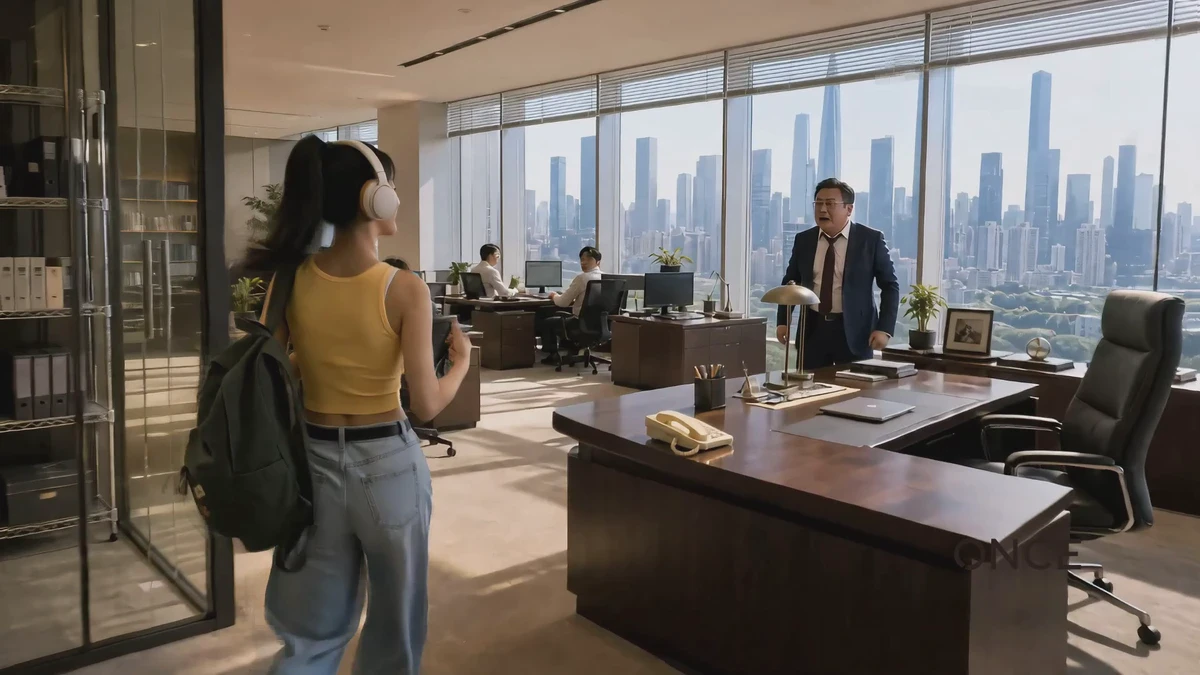
The focus of actors appearing on camera is not a simple labor exchange, but the transfer of portrait rights. Brands must confirm whether the release signed by the model or actor covers all uses required for the project. Common risk points include overly short license terms or overly strict geographic restrictions. If a global digital ad campaign is planned but the contract only grants a three-year license for mainland China, overseas distribution constitutes infringement. Additionally, although extras have no lines, if their facial features are clearly recognizable, they must also sign a simple release. It is recommended that producers establish standardized release templates and have a dedicated person collect signed originals on set to ensure every face has legal proof of identity.
Additional review for minors and individuals with special identities
For shots involving minors, written consent from a legal guardian must be obtained, and the authorizing party should be the guardian, not the child. For specific professional images such as military personnel and police, it is necessary to confirm whether this violates relevant disciplinary regulations or portrait usage rules. If public figures appear, even if unintentionally captured in the background, if they occupy too much of the frame and draw the audience's attention, it may also cause controversy. In such cases, avoid frontal close-ups through depth-of-field blurring or angle adjustments, or obtain a memorandum of understanding during pre-production communication. All materials involving sensitive identities must be archived separately for future reference, to provide proof during platform review.
Copyright pitfalls of music and sound effects
Background music is the soul of a video's emotion, and it is also a major area for copyright complaints. Directly using the climax of a popular song for commercial promotion will very likely result in a takedown notice or even a lawyer's letter from the platform. The correct approach is to purchase a subscription to a commercial licensed music library, or commission a composer to create original music. If choosing an existing music library, be sure to check the license type and distinguish between non-exclusive use and exclusive buyout. For sound effects, ambient sounds and voice dialogue also need attention regarding their sources. Recording real street sounds may involve privacy issues, so it is recommended to use professional sound effect libraries to obtain cleaned white noise and ambient background noise. During post-production mixing, keep the split-track files so that when adjusting volume balance on different platforms, the original copyright structure is not compromised.
Separate considerations for synchronization rights and sound recording producer rights
Many creators confuse the concepts of lyrics and composition copyright with sound recording copyright. Even if a cover license for a song is obtained, if the original studio recording is used directly, a sound recording producer rights fee must still be paid to the record label. Therefore, the safest approach is to rearrange and record, or purchase a bundled license package that includes both synchronization rights and sound recording rights. For the BGM feature unique to short video platforms, carefully review the music list descriptions provided by the platform; some free music is limited to personal, non-commercial use only, and once the e-commerce feature or enterprise Blue V certification is enabled, it is considered commercial use, requiring a switch to the enterprise music library. Never rely on algorithm-recommended trending music as commercial material unless it is confirmed that the track has opened commercial use permissions.
Compliance review of font usage
Any subtitles, titles, and packaging graphics appearing in a video must have commercial licenses for their fonts. Free fonts are usually limited to personal study or non-commercial use, and once used in a brand promotional video, it constitutes infringement. The brand should determine the primary visual font in advance and confirm whether the font manufacturer provides enterprise-level licensing. If using finished visuals from a third-party design company, trace the source of the embedded fonts. For dynamic text effects, check whether the glyphs on each keyframe are consistent and legal. It is recommended to lock the font style in the editing software to avoid mistakenly using unauthorized fonts during later replacements. Font licensing is usually billed annually or per project, so choose an appropriate licensing plan based on the budget, and never take chances using pirated font resources.
Applicable boundaries of open-source fonts and web fonts
Open-source licenses such as the SIL Open Font License allow free commercial use, but usually require derivative works to maintain the same license. If the font has been modified or redrawn, carefully study the license terms to avoid violations. Web fonts are primarily used for web display; when exported as static images or dynamic sequences for video, the nature changes, and it is necessary to confirm whether this exceeds the scope of the web license. For end credits, due to the short display time, some rights holders may relax restrictions, but it is still recommended to purchase a standard commercial license to eliminate future troubles. Establish an internal font whitelist system, regularly clean up font files that are no longer maintained or are in dispute, and cut off infringement risks from the source.
Tracking the sources of visual assets and images
Copyright disputes over image assets are increasing. For photographic works downloaded from stock websites, the license agreement must be carefully reviewed to check whether modifications and derivative works are permitted. Some stock sites require attribution, while commercial ads typically do not allow source watermarks or author information, in which case a premium attribution-free license must be purchased. For AI-generated images, the legal definition is currently in a gray area, but mainstream platforms have clear requirements for labeling AI-generated content. If using AIGC tools to generate backgrounds or characters, you must confirm whether the results infringe on the rights of existing artists in the training data and comply with the platform's usage guidelines. An index table should be established for all external assets, recording file names, source links, license numbers, and expiration dates to form a complete chain of evidence.
Risk screening of Creative Commons and CC0 assets
Although the Creative Commons Zero mark signifies the waiver of copyright, there are many instances of false labeling or uploading others' works on the internet. Before use, reverse-search the image source to verify whether the uploader is the original author or a platform with redistribution rights. For CC licenses requiring attribution, the author's name and link must be noted in a prominent position in the video or in the description box; otherwise, it still constitutes infringement. Additionally, note the independence of portrait rights and property rights. A landscape photo may have no copyright issues, but if the image contains recognizable brand logos or private residences, it still requires separate handling. Asset management should implement a tiered system, flagging high-risk assets as pending review until legal confirmation clears them for the final compositing stage.
Copyright protection actions during production execution
On-site filming is not only artistic creation but also the process of fixing legal evidence. Directors and cinematographers must be careful not to inadvertently capture others' copyrighted works in the frame, such as paintings on walls, displays in shop windows, or products with obvious logos. If they cannot be avoided, they must be blocked or blurred in post-production, or consent from the relevant rights holders must be obtained during pre-production communication. For audio recording, ensure that recorded dialogues do not involve third-party trade secrets or unauthorized interview content. All raw footage shot on-site, including RAW format video and photos, are high-value assets that must be immediately backed up to multiple storage media to prevent the inability to prove originality due to data loss.
Art copyright screening for props and sets
When building sets or preparing props, art directors must be wary of replicating well-known artworks or copyrighted IP characters. For example, using Disney-style decorative elements or imitating costumes of specific game characters can both lead to infringement lawsuits. If displaying books, posters, or artworks, use public domain works or authorized reproductions. For temporarily rented sets, confirm whether the rental contract includes the transfer of portrait and set usage rights, especially when the set has a unique design. On-site staff should wear badges to distinguish crew members from passersby, reducing unnecessary interference and potential legal disputes.
Copyright integration and acceptance in post-production
When assembling assets, editors must simultaneously organize copyright documents. Each shot, audio segment, and font layer should have corresponding authorization credentials archived. During color grading and sound mixing, previously cleared elements must not be casually replaced. If a music license is found to be expired, it must be promptly replaced with a backup track, and the reason for the change recorded. Pre-delivery internal review should involve legal or a dedicated copyright manager, checking off items against the authorization list. Focus on verifying whether the end credits meet contractual agreements and whether any attribution obligations have been omitted. This stage is the last line of defense against post-delivery disputes and cannot be skipped.
Metadata and digital fingerprint embedding strategies
Before final rendering is complete, digital watermarks or metadata tags should be embedded in the video file to record copyright ownership information and authorization details. This not only helps provide traceability evidence in the event of piracy, but also transmits clear copyright signals to downstream distribution platforms. For multilingual versions, ensure that the subtitle files of each version are fully synchronized with the source video timeline to avoid audio-visual desynchronization caused by time discrepancies, which can be judged as low-quality content. Acceptance criteria should include technical image quality, color accuracy, and the completeness of copyright documents; all three are indispensable. The final delivery confirmation form can only be signed when all authorization documents are complete and correspond one-to-one with the finished content.
Adaptation and re-licensing for multi-platform publishing
Different social media platforms have varying review mechanisms for copyrighted content. Short video platforms such as Douyin and Kuaishou may redistribute music uploaded by users, and brands need to confirm whether the authorization covers the algorithmic recommendation traffic of these platforms. YouTube and Instagram are extremely sensitive to copyright recognition systems, and uploading unauthorized material may result in the channel being banned. If the video requires localized translation, the font compatibility of the newly added subtitle languages must also be confirmed. It is recommended to conduct a trial broadcast on a test account or in a small group before publishing to observe platform feedback. For advertising materials placed long-term, the validity period of the authorization must be regularly reviewed to avoid sudden suspension of running ads due to authorization expiration.
Handling regional restrictions for global distribution
If the video is planned to be launched simultaneously in multiple countries and regions, the differences in copyright regulations of each location must be verified one by one. Some countries have stricter protections for music copyright, which may require separate payments to local collective management organizations. For materials containing sensitive cultural symbols or historical footage, consult local legal advisors to avoid violating local taboos or legal red lines. In multilingual dubbing versions, if AI voice synthesis technology is used, confirm whether the service provider's terms of service permit commercial broadcast use. Establish a global copyright monitoring mechanism to regularly scan content distribution in major markets, and promptly detect and handle potential infringement.
Inapplicable scenarios and risk boundaries
This guide applies to standard commercial video production workflows, but does not cover complex IP co-branding projects or film-level blockbusters. If the project involves celebrity endorsements, classic literary adaptations, or large-scale set construction, copyright ownership is more complex, and a professional intellectual property lawyer must be brought in. In addition, if the brand provides a large number of unverified material packages, the production team cannot bear full verification responsibility, so exemption clauses should be clearly stated in the contract. For projects with extremely low budgets and a pursuit of rapid delivery, in-depth copyright investigation may affect the schedule, requiring a trade-off between risk and benefit. When facing legal red line issues, it is better to abandon creative highlights than to cross the copyright bottom line.
Emergency response plan for sudden infringement crises
Despite thorough preparation, undiscovered copyright flaws may still arise. Once an infringement notice is received, immediately suspend playback of the video on all channels to avoid expanding the losses. Then launch an internal investigation, contact the material supplier to verify the authenticity of the authorization, and assess legal liability. If infringement is confirmed, actively negotiate a settlement with the rights holder to seek a reduction in compensation or reach a supplementary agreement. At the same time, review the entire production process, identify loopholes, and improve internal management systems. Establish crisis public relations messaging, unify external communication, and maintain the brand image. Remember, rapid response and a sincere attitude are key to resolving the crisis.
Recommended next steps
We recommend that brands allocate a dedicated budget for stock library subscriptions and legal consultation in their next quarter's planning. The production team can introduce a standardized rights management form to be filled out jointly with the brand during the project kickoff. Proactive rights clearance not only reduces legal risk but also improves team collaboration efficiency. Stay updated on the latest copyright regulations published by official sources, and remain sensitive to copyright challenges brought by emerging technologies. Only by rigorously handling every pixel and note can long-term brand trust be built.
If you are preparing a video production rights project, you can first organize the brief, reference footage, product or company materials, delivery platforms, and rights scope, then visit thevideo production solutions pageto translate communication from abstract preferences into executable production boundaries.