Evaluating whether AIGC video aligns with brand communication goals.
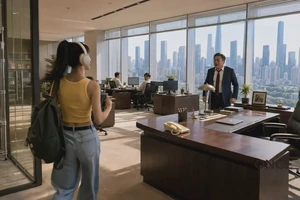
Before launching any brand AI video project, the primary task is to clarify the communication goals and audience expectations. AIGC excels at building surreal visuals, rapidly iterating creative concepts, or handling high-cost scenes that are difficult to shoot in real life. If the brand's core demand is to showcase physical product details, authentic user testimonials, or complex emotional narratives, traditional shooting may be more reliable. If the needs focus on abstract concept visualization, stylized experimentation, or high-frequency social media content production, AIGC has a significant advantage. Decision-makers need to assess whether the content allows for a certain degree of non-realism, and whether the brand tone can accommodate the randomness of generative imagery.
Establishing a structured creative brief and reference library
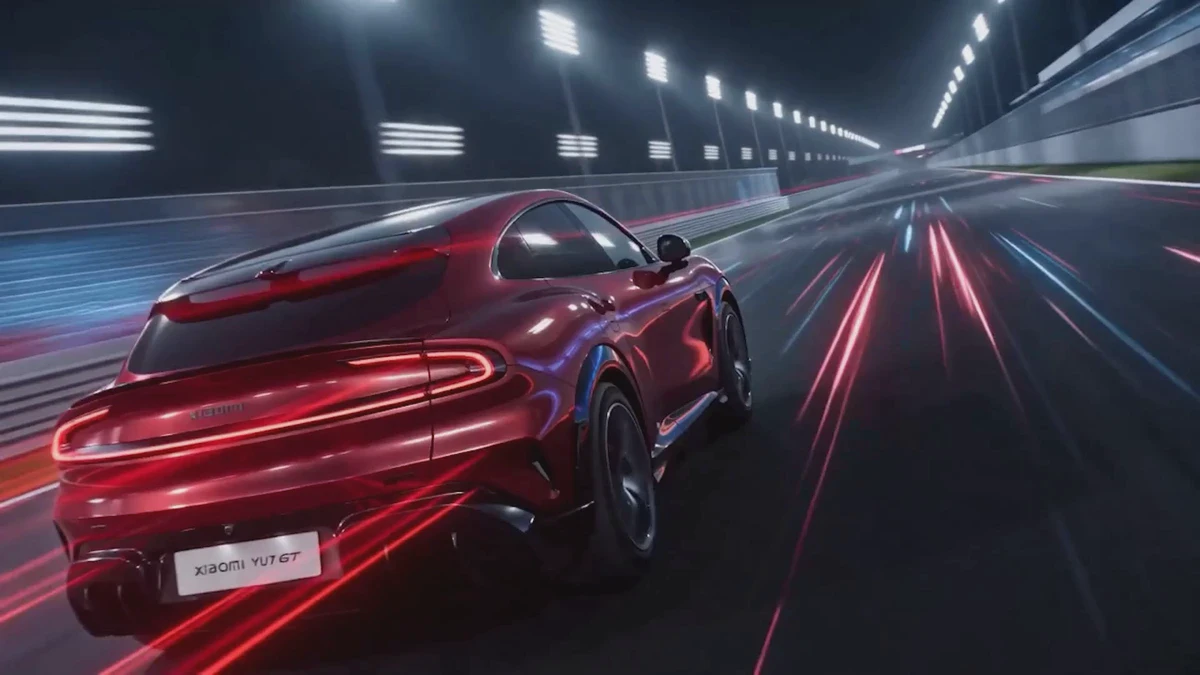
A high-quality brief is the foundation for ensuring controllable generation results. In addition to standard communication goals and core selling points, specific visual references must be provided. These references should not just be mood boards; they should include camera movement, lighting texture, color tendencies, and composition logic. For brands, organizing past successful commercials or competitor cases and annotating elements to keep or avoid can significantly reduce communication costs. The production team needs to translate these references into executable command parameters, clarifying which parts are AI-generated and which require manual compositing, thereby defining the boundaries of the work.
Refine visual reference dimensions.
- Dynamic references,provide short video clips while avoiding static images, specifying camera movement speed, angle changes, and pacing.
- Material references,specify the reflectivity, roughness, and light transmittance of object surfaces, such as frosted glass, liquid metal, and other specific textures.
- Lighting references,define the main light source direction, color temperature, and shadow hardness to ensure the visual atmosphere aligns with the brand's established tone.
Define the trade-offs between content generation and technical implementation.
In pre-production, you must decide which stages use AIGC and which retain traditional methods. Pure AI-generated videos often face technical bottlenecks in long-shot continuity and character consistency. Therefore, a hybrid workflow is recommended, using AI to generate backgrounds, effects, or specific style transitions, while placing character performances and key product showcases in live-action or post-production compositing. This trade-off must be based on an objective understanding of current model capabilities. Forcing full AI generation with high consistency across the entire film will incur massive post-production correction costs and time risks. The team should test the generation results of key scenes in advance and verify technical feasibility before entering large-scale production.
Determine hybrid workflow nodes.
- Asset generation, using AI to generate background plates, texture assets, or abstract effect elements.
- Subject retention, the core product or spokesperson is shot live-action, and composited into the AI environment through green screen keying or masking.
- Post-production integration, using AE or Nuke for color grading unification, lighting matching, and defect repair to eliminate any sense of incongruity.
Execute storyboard refinement and prompt engineering standardization
After entering the production phase, the storyboard script must be refined to a description for every single frame. Traditional storyboards only describe the visual content, but in AI video work, the corresponding prompt logic, seed value settings, and negative prompts must also be recorded. The production team should establish a standardized prompt library, covering subject description, environmental atmosphere, camera language, and rendering style. This process is not merely text work, but rather a precise encoding of visual language. Every parameter adjustment should be recorded so that deviations can be quickly traced back. For the brand side, it is necessary to confirm whether these visual elements comply with brand guidelines, avoiding non-compliant images or symbols caused by AI "hallucinations".
Build standardized prompt templates
- Subject description, specify the subject's form, quantity, position, and action state, using precise adjectives.
- Environmental atmosphere, define the time, weather, location, and overall color tone to create a specific emotional mood.
- Technical parameters, specify the resolution, frame rate, lens focal length, and render engine style, such as Unreal Engine 5 or Cinema 4D.
- Negative constraints, list prohibited elements, such as extra limbs, blurry backgrounds, incorrect text, etc.
Sample testing and multi-version iteration strategy
Do not directly pursue perfection in the final cut; instead, first produce low-resolution samples for internal review. The focus of sample testing is to check the narrative logic, pacing, and consistency of visual style. Due to the uncertainty of AI generation, the same prompt may produce multiple results, and the team needs to select the best segments for splicing tests. At this stage, the brand should be invited to participate in the review, focusing on confirming whether the core message is conveyed accurately and whether there are any brand risks. If a style deviation is found, adjust the prompt weights or switch the generation model in a timely manner, while avoiding trying to cover up problems through editing in post-production only. Multi-version iteration can expose potential technical shortcomings, providing data support for subsequent formal production.
Establish an iteration review process
- Initial draft screening, selecting the 10% of segments from a large volume of generated results that are closest to expectations.
- Internal preview, roughly editing the selected segments into a film to check narrative fluency and rhythm matching.
- Brand feedback, submitting samples to the brand to collect feedback on visual style and information accuracy.
- Targeted optimization, adjusting keyframe prompts based on feedback, regenerating, and replacing unqualified segments.
Post-production compositing and copyright compliance review
Post-production of AIGC video is not just editing, but also involves extensive repair and compositing work. Removing AI-generated body deformities, stabilizing frame shake, and upscaling resolution are standard operations. Meanwhile, sound design is crucial; original sound effects and music can enhance the realism and immersion of the visuals. Copyright compliance is an aspect the brand cannot ignore. It is necessary to confirm whether the AI tools used permit commercial licensing, and whether the generated images and videos infringe on third-party rights. It is recommended to clearly define copyright ownership and the division of infringement liability in the contract. For sensitive content, such as facial features, avoid directly using the likeness of real public figures unless legal authorization has been obtained. Legal review before delivery should proceed in parallel with artistic review.
Execute compliance and remediation checklist
- Visual remediation, use Inpainting technology to fix anomalies in hands, faces, and object connections.
- Stability processing, apply anti-shake algorithms and frame interpolation technology to resolve screen flickering and jumping issues.
- Copyright verification, verify the commercial license agreements of the models used to ensure no infringement risks.
- Sound design, add original sound effects and background music to compensate for the lack of an auditory dimension in AI video.
Develop a multi-dimensional delivery acceptance checklist
The acceptance process should be divided into three dimensions: technical quality, content compliance, and format specifications. At the technical level, check whether the resolution, frame rate, bit rate, and color space meet the publishing platform's requirements. At the content level, re-verify the accuracy of the brand logo, tagline, and core selling points to ensure there are no typos or ambiguous expressions. At the format level, provide adapted versions for different platforms, including vertical, horizontal, and muted versions. Source file management is equally important; project files, raw assets, and generation logs should be retained for future modifications or audits. The brand representative should sign off on each item on the acceptance form. Any non-compliant items must be rectified within the agreed timeframe; otherwise, it will be considered a delivery failure.
Establish detailed acceptance criteria
- Technical specifications, confirm the output files meet H.264/H.265 encoding standards, with a color space of Rec.709 or DCI-P3.
- Content proofreading, check text spelling, logo proportions, and brand color values frame by frame to ensure zero errors.
- Format adaptation, provide specific dimensions and duration versions required by mainstream social media platforms.
- Archive filing, package all source files, intermediate files, and metadata, and establish a clear directory structure.
Clarify inapplicable scenarios and risk control.
Not all brand projects are suitable for AI video workflows. For industries that rely heavily on authenticity, timeliness, or are strictly regulated by law, such as medical pharmaceuticals and financial investment, AI-generated content may trigger trust crises or compliance risks. In addition, if the project timeline is extremely short and requires highly customized creative work, the AI training and debugging cycle may not be able to match it. Brands need to identify these inapplicable scenarios and avoid blindly following trends. Risk control also includes data privacy protection, ensuring that materials input to AI tools do not contain undisclosed trade secrets or personal privacy. When encountering technical bottlenecks, there should be alternative plans, such as switching to traditional shooting or outsourcing to professional studios, to ensure timely project delivery.
Identify risk boundaries and contingency plans.
- Industry restrictions, exclude fields that require extremely high factual accuracy, such as medical, legal, and political.
- Data privacy, it is strictly prohibited to upload materials containing personal identity information or undisclosed business data to public cloud AI tools.
- Timeline assessment, reserve sufficient time for testing and revision to avoid delays caused by generation failures.
- Alternative plans, prepare a traditional shooting plan, and switch promptly when AI technology cannot meet core needs.
Recommended Next Steps
We recommend that brands first select a small, low-risk project as a pilot, such as a holiday poster video on social media or a product concept short film. Accumulate data and experience through the pilot, and evaluate the team's internal collaboration efficiency and technical proficiency. On this basis, gradually expand the proportion of AIGC used in projects. Meanwhile, keep an eye on the development of the latest industry tools and regularly update workflow standards. Maintain an open yet prudent attitude, letting technology serve the delivery of brand value while avoiding becoming a constraint on creativity.
If you are preparing a brand AI video project, you can first organize the brief, reference visuals, product or corporate materials, delivery platforms, and copyright scope, then check theAIGC Video Services pageto move communication from abstract preferences to executable production boundaries.