Your team in China has packed a portable monitor with a stand for a creator shoot. The US retail partner sells the monitor alone. Both listings look almost identical on a phone, so a creator could easily tag the wrong one. The fix starts in the brief, while you can still decide which box the audience will actually buy.
A retailer can own the order that a creator starts
In its October 29, 2026 holiday announcement, Best Buy confirmed its TikTok Shop was live and said creators could tag its products for in-app checkout. Its September 22 launch announcement said Best Buy would fulfill orders and that eligible purchases could be returned in store or by mail. That describes the retailer’s offer. It does not establish a supplier’s fees, reporting access or sales lift.
Run the ONCE two-store link check
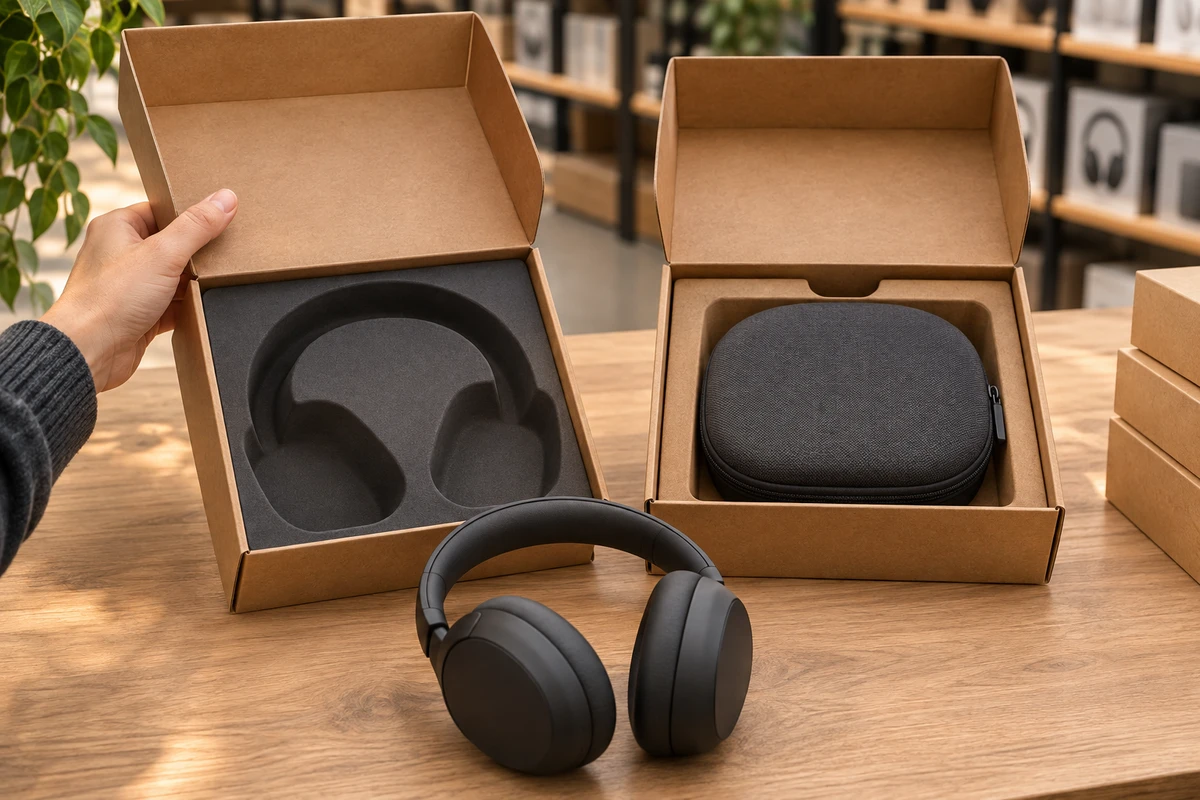
Start with the product, not the creator’s follower count. Have your supplier photograph what ships under each listing. If the stand comes only with the direct bundle, keep shots of it out of the retailer edit. Give the editor one shared demo and separate offer lines, captions and product tags where the listings differ. The person approving a promise about returns should be able to point to the policy for the exact listing.
Then ask finance for two comparable figures. For direct sales, start with receipts adjusted for refunds and deduct product cost, platform and creator fees, shipping and support. For retail, start with what the brand receives in wholesale or settlement revenue and deduct product cost plus the allowances, media and return losses the brand bears. Include the brand’s creative cost in each route over the same period and avoid counting deductions already reflected in net settlement. The retailer’s checkout revenue is not the brand’s revenue.
Approve the listing before you approve amplification
Test one offer first. Open the tagged listing as a shopper in the target market and check the exact model, accessories and return route against the creator preview. Give one person authority to stop the edit if the bundle changes. If the retail partner supplies only aggregate sales figures, record the reporting gap; it is not enough to rank individual creators against your direct channel. Buy another version only when the alternate store offers a reason to run it, such as a distinct bundle you can verify and a contribution estimate you can defend. For an adjacent example, see ONCE’s storefront variant check.