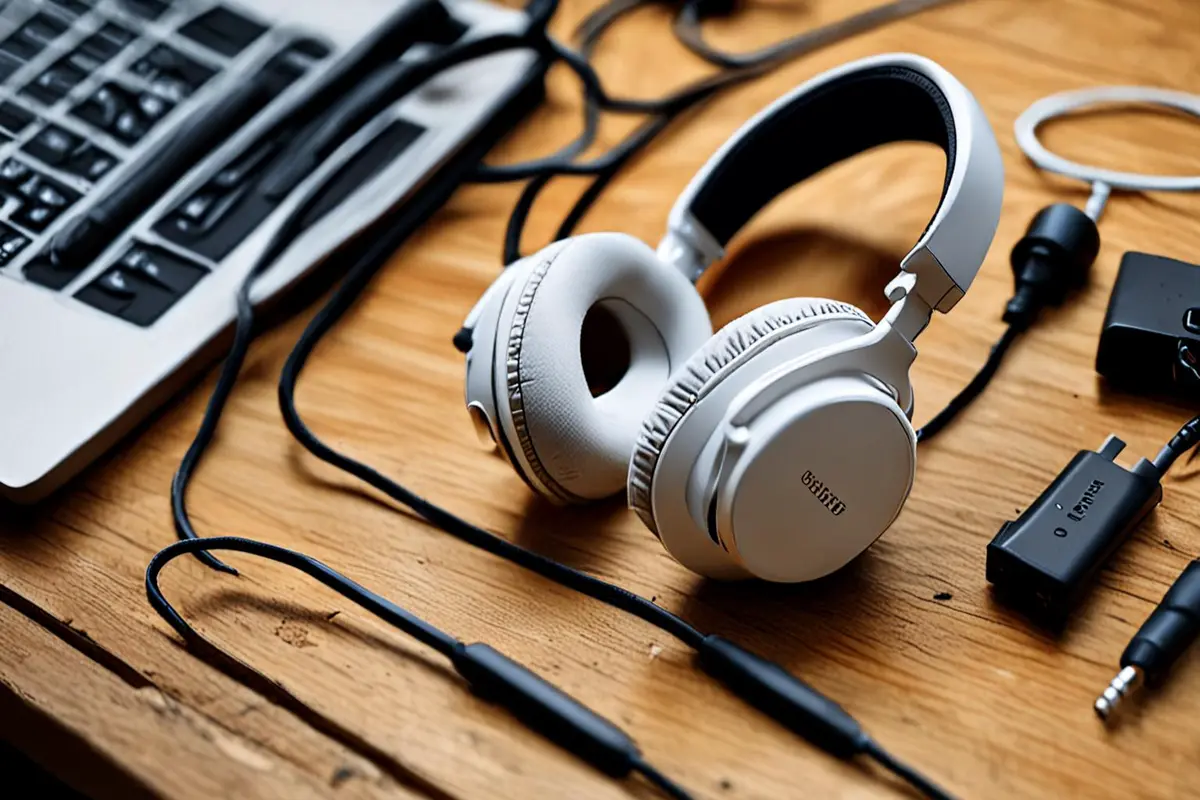
A creator demonstrates the headphone kit you shipped from China. An automated tag points to a familiar product name, but the selected listing opens on a version without the charging dock. The video and the purchase option look related. They do not yet describe the same delivery.
This is a hypothetical brief, not a reported platform error. It illustrates a practical procurement decision: who verifies the connection between the approved sample, the finished footage and the item a viewer may buy?
Automated discovery still needs product identity review
Google's October 26, 2026 announcement introduced the YouTube Shopping affiliate program in Saudi Arabia, the UAE and Egypt, with Amazon as its first affiliate partner, and described AI-assisted tagging. The announcement does not establish access for an individual creator, brand or item.
YouTube's auto-tagging help page, checked October 28, says the system can make mistakes and calls for manual review. It excludes videos with paid partnership designations from auto-tagging. Do not sell the feature as a universal capability for sponsored work.
Our production inference is narrower than a platform performance claim: tools can reduce candidate-search work, while someone still needs to accept the identity match. ONCE has not measured the system's accuracy or a sales improvement.
ONCE's three-point identity check
Begin with the physical sample. Have the product team confirm its model, version and included parts. An internal sample reference can differ from a commercial SKU, provided the team can explain the connection. “The new headphones” is not enough to distinguish a generation or bundle.
Next, identify the relevant passage in the finished video. Check what it shows, including accessories and actions that affect the purchase expectation. If the edit borrows older footage, confirm its applicability rather than assuming a brief shot cannot matter.
Finally, inspect the selected listing and its actual option. A search thumbnail or matching brand name is insufficient. Record the variant or bundle state reviewed. The sample, its visible features and the retailer's option names may use different terminology; resolve that with the product owner.
| Finding | Production response |
|---|---|
| All three correspond | Record the reviewer, date, passage and selected item before release checks |
| Looks similar, insufficient information | Keep it pending and ask the product team about the specific difference |
| Different product or bundle | Correct the tag, replace inapplicable footage or remove the purchase instruction |
This is a proposed collaboration method, not a platform certification. A pending match means information is missing, not that the product has necessarily been misidentified.
Capture reference material without turning the ad into inventory control
Before shooting, retain internal reference views of the sample, model location and important accessories alongside the approved contents list. These references need not appear in the public film or expose supply-chain documents. They help the editor and product owner discuss the same object.
Keep purchase-relevant distinctions visible in the finished work. For a hypothetical power tool, two identical-looking bodies might be sold with and without a battery. An unboxing followed immediately by operation needs review against the selected package, not just the tool model.
Conversely, an internal batch reference that does not change the sold item may need no public treatment. Commission additional shots when a difference affects viewer understanding, rather than adding numbers indiscriminately.
Do not fill a tag quota with an approximate substitute
If the team cannot confirm a candidate, separate “filmed” from “confirmed for tagging.” A similar model, capacity or kit should not quietly fill an empty slot just to complete a delivery count.
Recommending an alternative is a separate editorial decision. Explain why it is relevant and how it differs from the demonstrated item, then review the expression and destination again. Until the necessary information is available, a version without that purchase instruction may be the appropriate delivery.
Commission a reviewable connection
Ask for four outputs: the sample mapping, identifiable passages in the finished edit, confirmed product entries and an unresolved-items list. Assign product facts to the product owner, footage correspondence to production and configuration to the account operator. One person may perform several tasks, but none should remain unowned.
Price reference preparation, necessary pickup shots and release checks explicitly. Ten exported videos do not establish ten usable shopping routes. If ongoing review is required, separately agree notification sources, frequency and correction scope; an approved match today is not a promise that a tag will remain unchanged.
For acceptance, trace one complete example from sample to passage to selected item. Ask a colleague outside the shoot to describe what they would receive. Resolve discrepancies in the footage, wording or product selection before expanding the batch. This is a practical mismatch check, not a sales experiment or a guarantee of universal comprehension.
Explore ONCE's video production guidance when planning the brief. Bring the sample, exact sales options and intended publication arrangement so the team can distinguish shared footage from work needing individual confirmation.
Sources: Google, Watch It, Love It, Buy It: YouTube Shopping Arrives in the Middle East (October 26, 2026); YouTube Help, Use auto-tagging for YouTube Shopping products (no publication date displayed). Checked October 28, 2026. Framework and scenarios are ONCE editorial analysis and hypothetical examples, not implemented client results. Cover: AI-generated conceptual illustration.