Skyworth Auto: 85_97kWh Battery Capacity Display
Case overview · OVERVIEW
Skyworth Automotive TV commercial uses 85_97kWh battery capacity as the content entry, prioritizes 85kWh batteries, 97kWh batteries and new energy vehicles, and presents the product and brand focus behind the "85_97kWh battery capacity display".
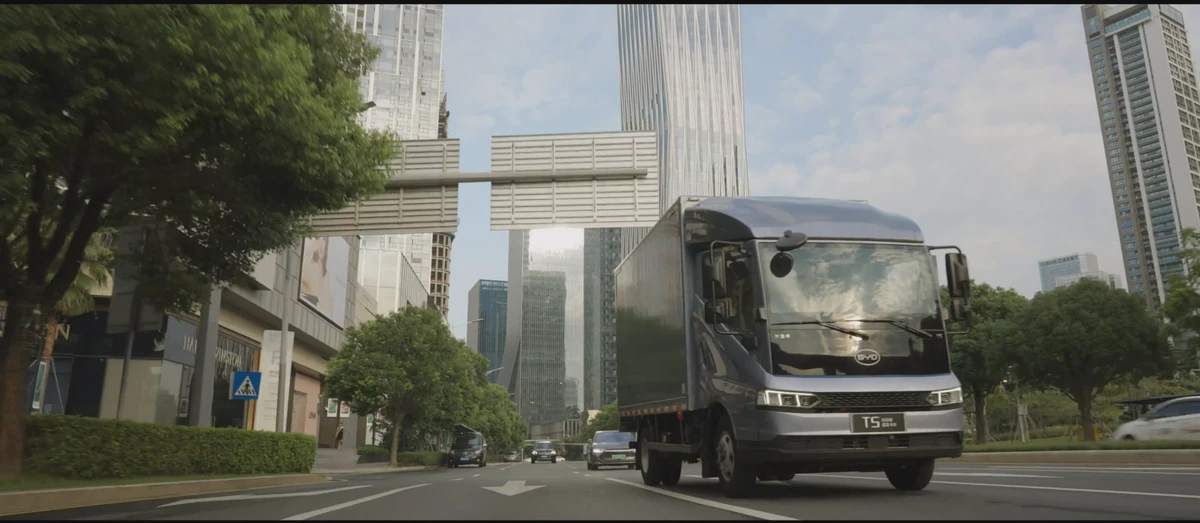
This new-energy vehicle visual TVC places the vehicle itself at the center of the narrative, repeatedly shifting within a concise space between the light aqua-blue body, front lighting, side profile, tail lights, and rear emblem. The page theme uses 85/97kWh battery capacity information as the communication hook, while the visuals establish product recognition through the new color, body proportions, and driving state. Without complex character-driven storytelling, an automotive exterior product film relies more heavily on lighting, concealment, and camera movement to give a new-energy vehicle a clear launch-communication presence.
Opening a New-Energy Vehicle TVC with Battery Information
The film first places battery capacity information at the center of its communication proposition, then builds the vehicle visuals around it. Here, the figure functions more like a product information point that needs to be remembered, while the specific expression remains subject to the on-film subtitles and page theme. For automotive directors, establishing one core message first, then supporting it with body close-ups, moving shots, and clean backgrounds, can keep a new-energy vehicle visual TVC concise and powerful.
Making the Light Aqua-Blue Body the First Layer of Product Recognition
The body appears in a light aqua-blue tone, with the front, side, and rear gradually revealed through concealment and opening movements. The shots do not rely on layering complex settings; instead, color, contours, and reflections control the viewing sequence: the color appears first, followed by the lights and lines, before returning to the complete body. This high-end automotive photography approach suits new-product advertising and also makes it convenient to later separate the color, exterior, and individual details into independent assets.
Completing the Automotive Product Film with the Front, Rear, and Emblem
Close-ups of the front lights, tail lights, wheels, and emblem in the middle and later sections refine the product information. The vehicle drives through the frame or appears from behind an obstruction, with forward movement giving the static design a sense of rhythm; the rear emblem and closing shot complete brand recognition. For an automotive brand TVC, the visual language can first serve exterior memorability, then place specifications and launch information in suitable subtitles or end cards.
Extending the Automotive Visual TVC into Launch Communication Assets
Subsequent versions can be edited into short cuts focused on the front, side, rear, color, and capacity information, followed by adaptations for presentation screens, vertical social media formats, subtitled versions, and e-commerce detail-page visuals. The main film retains the complete rhythm from the information proposition to the vehicle-focused conclusion, while each short version emphasizes one recognition point to form an asset package suited to new-energy vehicle video communication.
For more automotive and product content, see TVC Advertising Film Cases, Commercial Advertising Film Production Services, Video Production Guides and E-Commerce Product Video Cases.
Discuss a New-Energy Vehicle Video ProjectMore Cases
VIEW ALL → VIDEO
 VIDEO
 VIDEO
 VIDEO
TVC and commercial film production
Explore commercial film work and ONCE's production process. Bring the campaign objective, media plan and creative references to the first conversation.
Share the brand objective, audience, campaign message, media plan, reference films, release date and production budget.
