Shenzhen Medical Device Video Production: Every Step Must Match the Documentation
Medical device video must first safeguard procedure order, applicable conditions and approved documentation; pacing and atmosphere come second. When subject-matter leads confirm the facts and the production team handles presentation, the visuals will not make unsupported claims on behalf of the device.
Turn Product Selling Points into Specific Shots
- Shot 01
- Capture the real action of confirming compliance documentation while professional audiences verify operating steps and applicable scope
- Shot 02
- Use the operating procedure to explain the sequence of operations, interface status and applicable prerequisites of the compliance source
- Shot 03
- When professional audiences use it for professional explanation, sales training and clinical communication, retain the complete product description and applicable scope
- Shot 04
- Medical device videos plan creative concepts and shots around compliance documentation confirmation, operating procedures and professional audiences; sample status, filming conditions and intended use are confirmed together before filming begins.
In brief
Design authentic demonstrations, close-ups and supporting visuals around compliance documentation confirmation to make product information easier to understand.
How to Turn Core Selling Points into Specific Visuals
- Common communication pitfall
Professional trust starts with the right sequence
Medical device video must first align operating steps, applicable conditions and user roles; polished visuals come after accuracy. We develop the script based on the approved materials provided by the client, have a subject-matter lead verify key statements, and present only content that can be confirmed.
- Product information
Different audiences see different risks
Healthcare professionals focus on operation and workflow, procurement teams assess configuration and handover, while patients may only need to understand a single point of contact. The film first identifies its primary viewers, then controls terminology, shot scale and depth of explanation; secondary audiences receive separate versions instead of being addressed by one broad voice-over designed to persuade everyone at once.
- Function demonstration
Demonstration actions should be performed by the right people
Details such as hand movements, connections, cleaning and readings affect professional judgment, so someone unfamiliar with the device cannot be asked to pose casually. Before filming, a verified operator is scheduled to complete the full process, with the setting and accessories kept in the correct condition; when substitute demonstrations are required, their illustrative nature is clearly identified.
- On-site conditions
The visuals will not add indications beyond the documentation
Emotional reactions, overly idealized results or comparisons that omit their prerequisites may make the device appear to deliver unsupported effects. We verify the source of every conclusion, and the shots reinforce only known facts; when information cannot be disclosed, it is better left blank than completed through visual suggestion.
- Delivery versions
Training, sales and trade-show versions each serve their own purpose
Operational training requires complete steps, sales communication emphasizes use value, and a trade-show short film first establishes quick recognition. All three content types share the device status and terminology master, but use different information densities. The usage conditions for subtitles, voice-over, people and locations are handed over with the corresponding files.
- Sample preparation
When to pause device content production
If even one of the device condition, operating sequence or applicable wording has not received professional confirmation, the corresponding section should not continue into production. Content that can be filmed continues according to the approved materials, while pending information is isolated from the script, subtitles and on-camera wording. Pausing does not mean losing momentum; it protects the device facts and subsequent review.
Turn Product Selling Points into Specific Shots
- Shot expression
Capture the real action of confirming compliance documentation while professional audiences verify operating steps and applicable scope
Use the operating procedure to explain the sequence of operations, interface status and applicable prerequisites of the compliance source
When professional audiences use it for professional explanation, sales training and clinical communication, retain the complete product description and applicable scope
Write Sample, Location, Safety and Permissions into the Plan Up Front
- Project Brief
Medical device videos plan creative concepts and shots around compliance documentation confirmation, operating procedures and professional audiences; sample status, filming conditions and intended use are confirmed together before filming begins.
The operating sequence, interface status and compliance source are designed in conjunction with the current sample, parameter documentation, interface version and actual demonstration.
Published projects and production references
Medical-device content in Shenzhen: quality systems and everyday device stories
Healthcare content can tell a brand story through manufacturing and quality systems, or connect a device and its interface to everyday settings. These two relevant published projects offer production references. An instructional film requires a separate plan based on the specific model and approved operating steps.

Healthcare-supplies brand film
Aomei Lifestyle: cotton textures, production and family life
The case moves from cotton, white fabrics and soft light into production lines, testing screens, staff operations and storage, then returns to dining tables and family settings. It offers a reference for presenting a quality system through spaces and people. Testing imagery in a brand film does not replace supporting material for your own product.
View the full case: Aomei Lifestyle: cotton textures, production and family life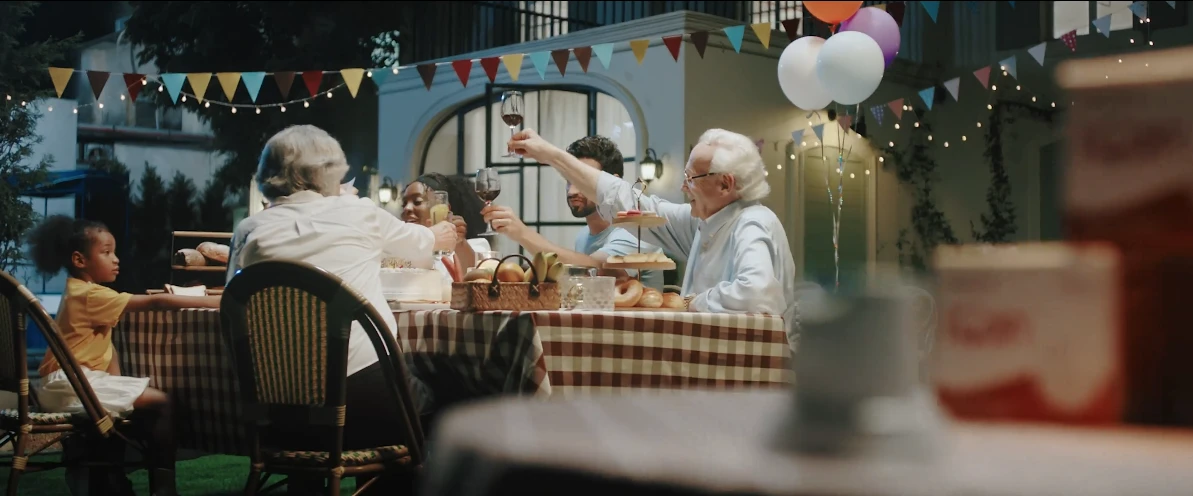
Blood-glucose monitoring brand film
Sinocare: monitoring devices, mobile interfaces and daily life
The published case connects a small white device, phone curves, food, exercise and family relationships into a viewing sequence. It offers a reference for transitions between device details, interface information and human settings. Values, intended users and claims in a new project need confirmed source material; the case imagery does not establish another product's results.
View the full case: Sinocare: monitoring devices, mobile interfaces and daily lifeTurn the reference into your project brief
Share the device model, audience, approved intended use and claims material, production and testing footage cleared for publication, and the responsible professional reviewer. For instructional content, also provide approved operating steps, interfaces and demonstration data. These inputs define the brand, product-explanation and training versions.
What Is Usually Confirmed Before Project Kickoff
What should be prepared first for a medical device video?
First prepare the real sample, compliance documentation confirmation materials, use scenarios and a person who can confirm the operating sequence, interface status and compliance source.
Does the operating procedure have to be explained with 3D animation?
Not necessarily. First assess whether real actions, close-ups or interface recordings can make the operating steps and applicable scope understandable when professional audiences verify them; animation can then support structures and processes that cannot be filmed directly.
How can exaggerated claims about product performance be avoided for professional audiences?
Product statements should follow the current sample, brand-confirmed materials and actual demonstration, especially avoiding situations where the visuals make the device claim effects that the documentation does not support.
We turn compliance documentation confirmation into concrete demonstrations, present the operating procedure clearly on screen, and then align the visual style and delivery versions.
Bring the current model prototype, approved materials, the professional reviewer designated by the brand and the use scenario; we will first map out an operating procedure that can be verified.
