Shenzhen Beauty and Personal Care Video: Texture, Action and Brand Recognition Together
Beauty and personal care content must preserve real texture and usage actions while maintaining packaging, color and character. Product information defines what each image can claim. Main films and short cuts are reassembled by channel without changing the underlying facts.
Turn product benefits into specific shots
- Shot 01
- Capture the real action of the texture appearing in the moment when the product meets skin and the light changes
- Shot 02
- Use the application action to explain the applicable conditions for describing texture, dosage, action and ingredient claims
- Shot 03
- When brand consistency is applied to e-commerce detail pages, brand advertising and social media cutdowns, retain the complete product description and scope of application
- Shot 04
- Beauty and personal care videos plan creative concepts and shots around texture presentation, usage actions and brand consistency; sample condition, shooting conditions and final use are confirmed together before filming begins.
In brief
Design realistic demonstrations, close-ups and supporting shots around texture presentation to make product information easier to understand.
How to turn key benefits into specific images
- Common communication pitfall
Usage actions stay closer to the facts than imagined efficacy
Beauty and personal care videos most easily let soft light, slow motion and skin retouching say too much on behalf of the product. We clearly film contact, spreading, absorption or cleansing at the real dosage, so viewers first see how the product is used; the brand then provides approved wording, without using atmosphere to imply unverified results.
- Product information
Texture needs the right distance and speed
Viscosity, spreadability, foam and gloss create very different impressions under different lighting conditions. Testing first identifies a viewing angle faithful to the physical product, while photography and high-speed footage only help clarify the changes; color treatment remains consistent within the same set and does not turn visual enhancement into product alteration.
- Functional demonstration
Casting responds to real moments in daily life
Getting ready in the morning, tidying up after exercise or carrying out nighttime care each involves different gestures, rhythms and emotions. The person is not a model merely placing the product, but someone using it in an understandable moment; the brand character emerges through the choice and action, rather than a string of abstract attitude words.
- On-site conditions
Packaging recognition runs through the opening and usage process
If the product appears only at the end, the texture established earlier could belong to any brand. The storyboard brings the container, opening method and signature color naturally into the person's actions, with necessary close-ups serving recognition; the outer packaging and contents remain matched to the current sample to avoid mixing colors or specifications.
- Deliverable versions
One set of footage supports different purchase distances
A detail page can present texture patiently, a social media short can enter the usage moment more quickly, while brand content leaves room for the relationship with the person. The shoot prepares different shot scales and hold times for all three, sharing visual rules and product information; model likeness rights, music and platform usage are confirmed separately.
- Sample preparation
First film one complete dispensing and application sequence
Please bring production samples, usage instructions and the brand colors you want to retain, and complete an unretouched test. The brand team confirms whether the color and action are accurate, while an unfamiliar viewer explains how they understand the product. Both forms of feedback determine the subsequent art direction and shot priorities.
Turn product benefits into specific shots
- Shot expression
Capture the real action of the texture appearing in the moment when the product meets skin and the light changes
Use the application action to explain the applicable conditions for describing texture, dosage, action and ingredient claims
When brand consistency is applied to e-commerce detail pages, brand advertising and social media cutdowns, retain the complete product description and scope of application
On-site conditions determine which expressions can be completed reliably
- Project Brief
Beauty and personal care videos plan creative concepts and shots around texture presentation, usage actions and brand consistency; sample condition, shooting conditions and final use are confirmed together before filming begins.
Descriptions of texture, dosage, actions and ingredient claims are designed in combination with the current sample, specification materials, interface version and actual demonstration.
Published projects and production references
Give skincare brand and usage information distinct roles
Research philosophy, service and everyday care do not need to compete for the same shots. These skincare films help identify which relationship your own film should explain first.

Research and service
Botanical skincare: research and personal service
The published case connects founder interviews, botanical research spaces, product displays and individual consultation. Use it to plan the roles of people, research and service.
View the full case: Botanical skincare: research and personal service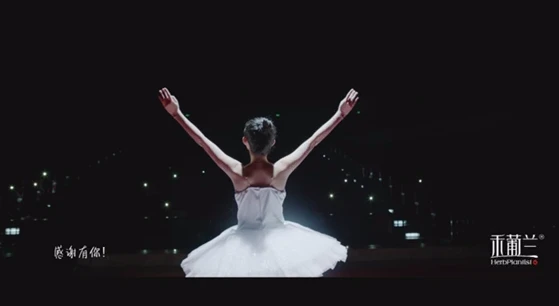
Care and characters
HEPULAN: everyday care and a personal story
The case uses skincare actions and personal relationships within a visual brand story. Use it to decide how a care action and the product reveal carry different narrative roles.
View the full case: HEPULAN: everyday care and a personal storyTurn the reference into your project brief
Choose one main focus: research, usage or the brand's relationship with its audience. Prepare texture, application and approved claims. The films provide visual references; efficacy statements still require the evidence approved for your own product.
These points are usually confirmed before the project begins
What needs to be prepared first for a beauty and personal care video?
Prepare real samples, texture presentation materials, usage scenarios and a responsible person who can confirm the scope of descriptions for texture, dosage, actions and ingredients.
Do usage actions always need to be explained with 3D animation?
Not necessarily. First check whether real actions, close-ups or interface recordings can make the moment when the product meets skin and the light changes understandable; animation can then assist with structures and processes that cannot be filmed directly.
How can brand consistency avoid exaggerating product effects?
Product descriptions are based on the current sample, brand-approved materials and actual demonstrations, with particular care to avoid a situation where the images create an impression of efficacy that the facts do not support.
We will turn texture presentation into specific demonstrations, make usage actions clear on screen, and then unify the visual style and deliverable versions.
Explain which sales scenarios will use brand consistency; the reshoot diagnostic sheet will help effective footage remain usable after updates.