Shenzhen Automotive Mobility Video Production: Capture Real Moments of Feature Engagement First
Automotive mobility features become meaningful only when placed in specific road conditions and driving actions, rather than being reduced to shots of speed. The plan first defines when the feature engages, what feedback the user sees and the safety boundaries, then determines the motion filming and brand expression.
Turn product selling points into specific shots
- Shot 01
- Capture the real action at the moment when the driver feels the feature engage
- Shot 02
- Use the road and safety context to explain the applicable conditions for road conditions, operating feedback and safety boundaries
- Shot 03
- When brand expression is used for launch films, feature explanations and retail content, retain the complete product explanation and applicable scope
- Shot 04
- Automotive mobility videos plan creative concepts and shots around feature experience, roads and safety, and brand expression; the sample condition, filming conditions and final use are jointly confirmed before filming begins.
In brief
Design real demonstrations, close-ups and supporting visuals around the feature experience so product information is easier to understand.
How to turn core selling points into specific visuals
- Common communication misconception
The feature experience begins with road conditions
Automotive mobility features become more than beautiful driving shots only when placed in real speed, road surfaces, light and driving actions. We first define when the feature engages and what feedback the driver receives, then let the vehicle, people and environment complete that moment together.
- Product information
The driving experience needs details that can be captured clearly
Composure, agility or reassurance can easily become empty adjectives. Changes in hand movements, shifts in gaze, vehicle posture and sound convey the experience more effectively. The director builds emotion through the subject's reactions and relationship to motion, while avoiding exaggerated handling or edits that suggest performance the current model does not have.
- Feature demonstration
Road safety determines camera positions and actions first
Tracking shots, vehicle-mounted filming and closed-course locations each have different permit, personnel and risk requirements. Location scouting checks the route, weather, communications, driver qualifications and emergency arrangements, and all actions are designed within controlled limits; an angle that cannot be completed safely will not be obtained through last-minute risk-taking.
- On-site conditions
In-vehicle interfaces and road feedback must remain time-aligned
The appearance of a prompt, the driver's response and the vehicle's status must belong to the same operation, and their clear continuity must be retained even when shots are filmed separately. Screen content is supplied by the current software version; graphics only emphasize information that is difficult to capture at a glance and do not create system behavior that did not occur.
- Delivery versions
Brand expression is built on the product's role
Urban commuting, family travel and outdoor exploration each carry different emotions, and a vehicle should not be placed arbitrarily into a popular lifestyle. We start from the real usage choices of the target audience, allowing design, space and features to participate in the story; when market versions change, the brand character still retains a consistent anchor.
- Sample preparation
Bring an actual route to guide production decisions
At the start of the project, select the road segment that best explains the feature, and prepare the vehicle condition, approved wording and safety contacts. The team first completes a route experience without filming, recording driving actions and visible feedback, then decides what the in-vehicle, exterior and graphic elements will each convey.
Turn product selling points into specific shots
- Shot expression
Capture the real action at the moment when the driver feels the feature engage
Use the road and safety context to explain the applicable conditions for road conditions, operating feedback and safety boundaries
When brand expression is used for launch films, feature explanations and retail content, retain the complete product explanation and applicable scope
Build the sample, location, safety and permit requirements into the plan in advance
- Project Brief
Automotive mobility videos plan creative concepts and shots around feature experience, roads and safety, and brand expression; the sample condition, filming conditions and final use are jointly confirmed before filming begins.
Road conditions, operating feedback and safety boundaries are designed in relation to the current sample, specification materials, interface version and actual demonstration.
Published projects and production references
Automotive and mobility content in Shenzhen: lifestyle and feature explanation
The Oraimo cycling project offers a reference for connecting people, vehicles and urban space. The parking-themed short offers a reference for organising presenter narration and interface information. Decide whether the brief needs to portray a way of travelling or explain a particular feature.
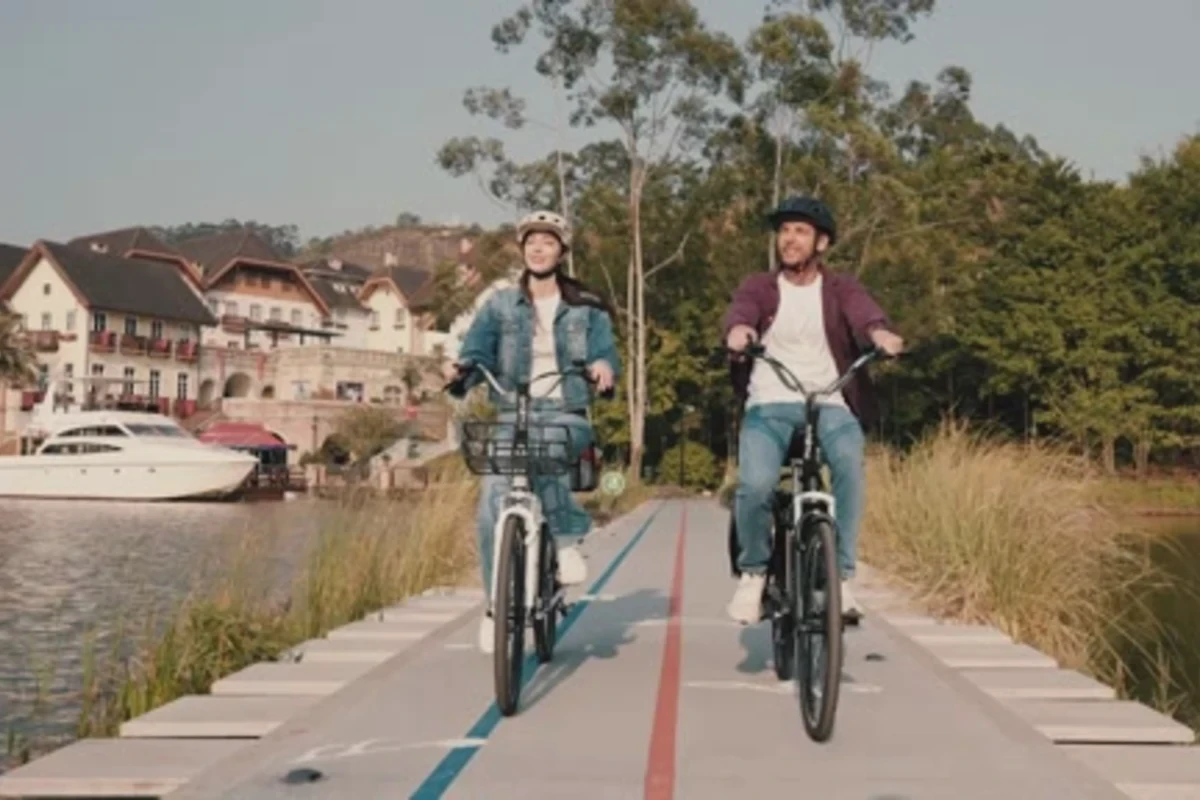
Electric-bicycle lifestyle film
Oraimo Urban Commuter: human movement and city riding
The published case moves from running and everyday exercise into two riders travelling through neighbourhoods, parks and city streets, with bicycle details and riding posture. It offers a reference for letting the environment frame the action and the action introduce the vehicle. Its cycling imagery informs lifestyle planning rather than automotive feature evidence.
View the full case: Oraimo Urban Commuter: human movement and city riding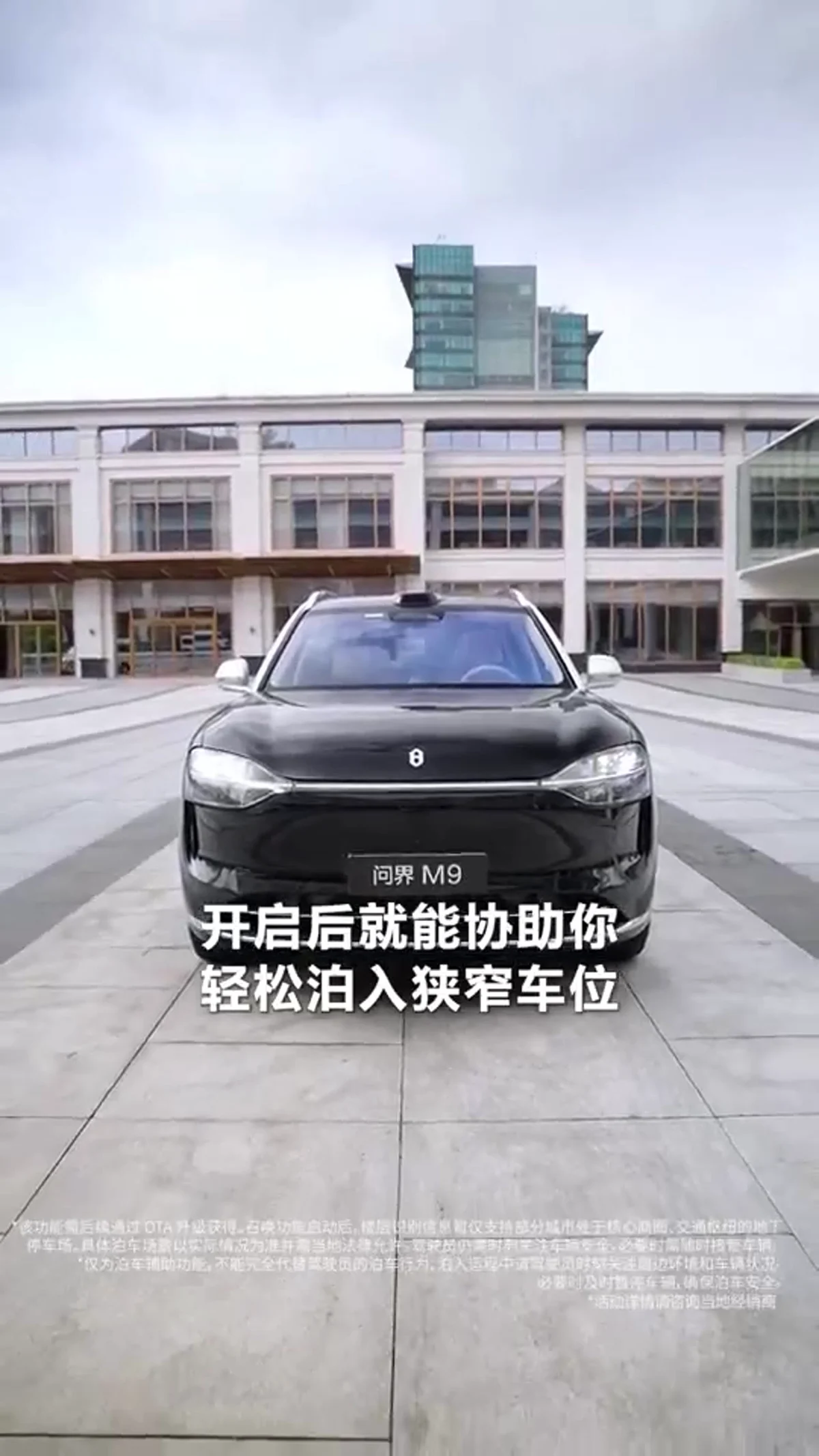
Automotive feature communication short
AITO M9: presenter narration and a parking interface
The case opens with a presenter's question, moves to a parking simulation interface, cabin screen and vehicle exterior, then returns to the presenter and a test-drive prompt. It offers a reference for distributing information across narration, interfaces and live action. Interface imagery does not replace verification of a new project's vehicle functions and road conditions.
View the full case: AITO M9: presenter narration and a parking interfaceTurn the reference into your project brief
Share the vehicle model and software version, production purpose, approved feature descriptions, locations, road conditions and on-site safety arrangements. For lifestyle content, start with people and routes. For feature content, confirm demonstration conditions, screen material, narration and captions before planning formats and alternative openings.
What is usually confirmed before project kickoff
What needs to be prepared first for an automotive mobility video?
Prepare a real sample, feature experience materials, usage scenarios and a responsible person who can confirm the road conditions, operating feedback and safety boundaries.
Do roads and safety always need to be explained with 3D animation?
Not necessarily. First determine whether real actions, close-ups or interface recordings can make the moment when the driver feels the feature engage understandable; animation can then support structures and processes that cannot be filmed directly.
How can brand expression avoid overstating product performance?
Product statements should follow the current sample, brand-approved materials and actual demonstration, especially avoiding motion shots that leave an impression of speed without giving viewers a reason for using the product.
We turn the feature experience into specific demonstrations, make roads and safety clear on screen, and then align the visual style and delivery versions.
Prepare an operable sample and test conditions, then complete an initial test from action to viewing comprehension using a misinterpretation record card.