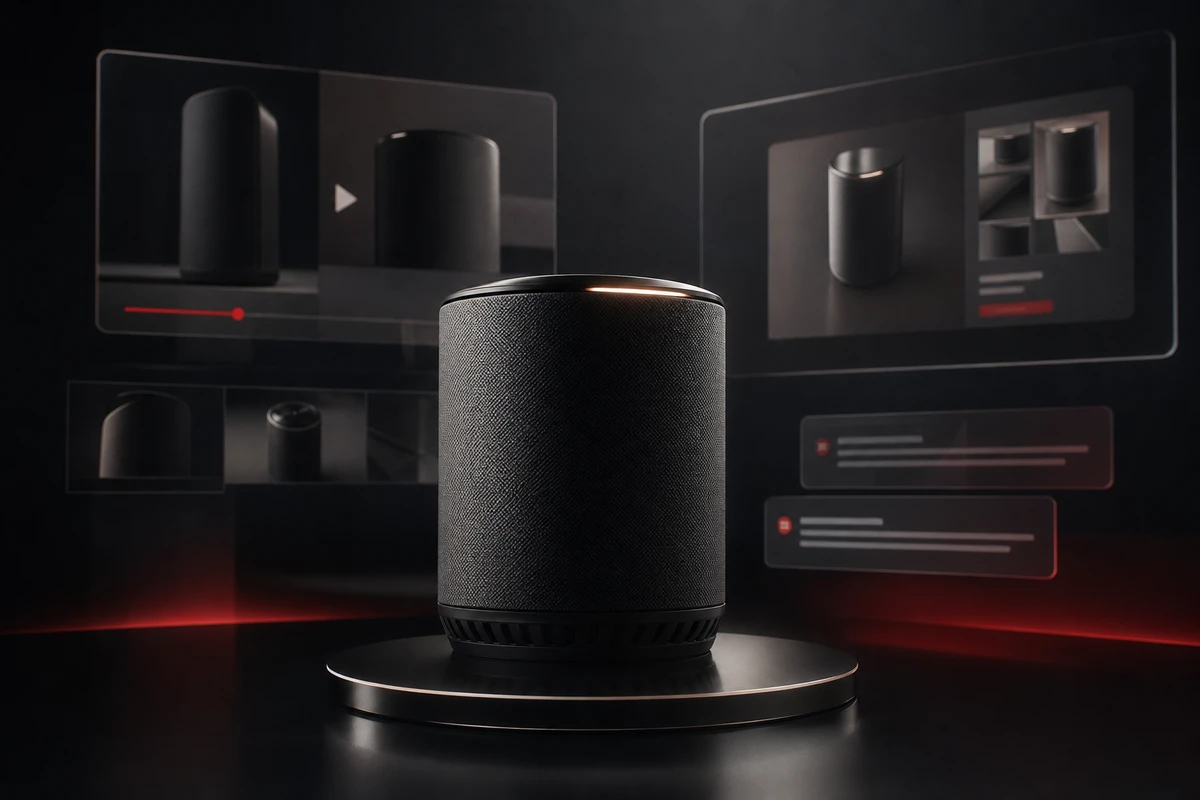
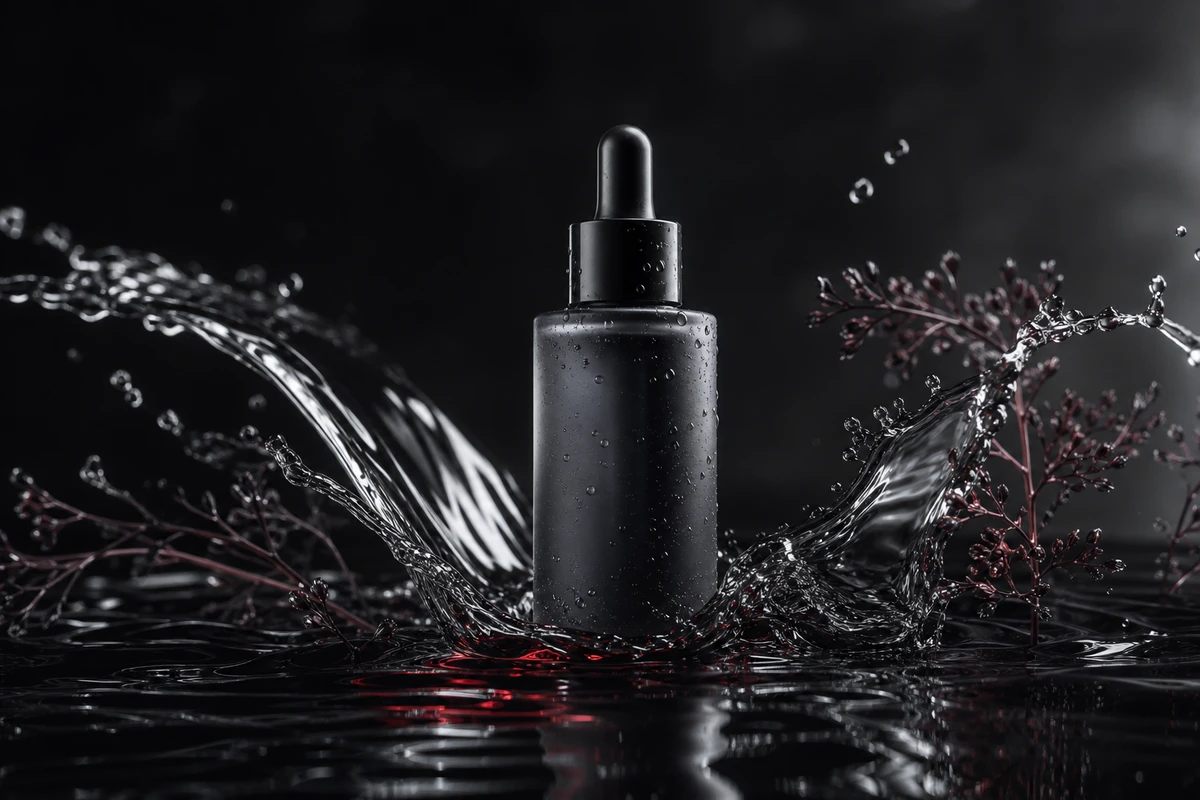
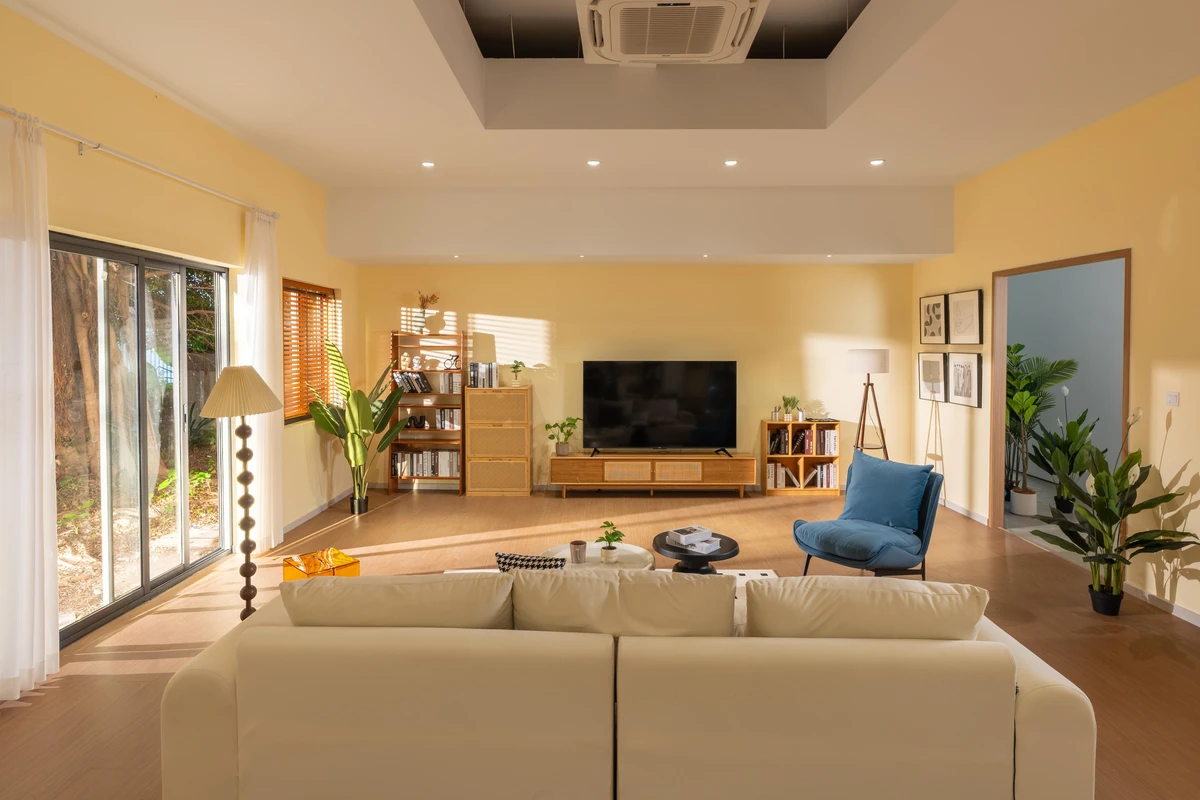
A real product baseline gives an AIGC team something concrete to check against. Photograph the approved sample before extending its surroundings with generation. Without that reference, an attractive image can quietly change a connector, material, logo or control that matters to the customer.
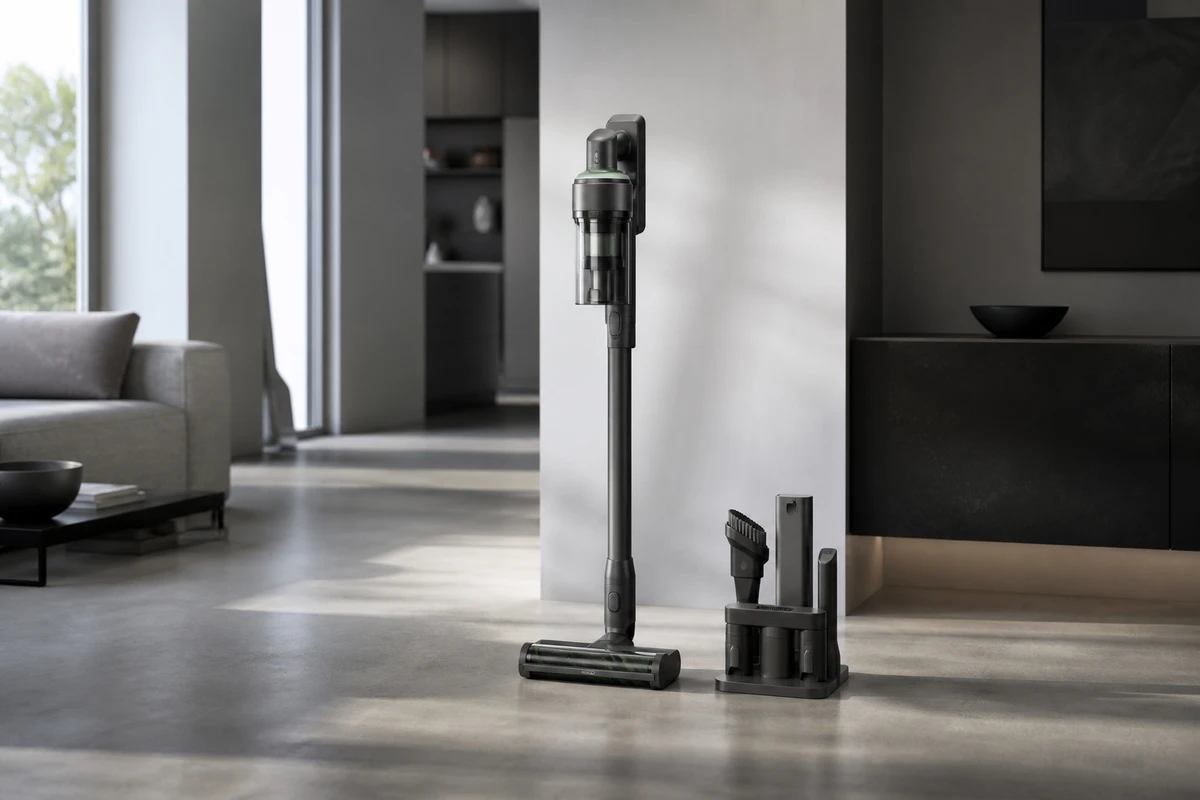
Capture the product before extending the scene
Record the front, back, sides and the details a shopper must understand. Include close-ups of controls, seams, ports, accessories and any moving part shown in the proposed advertisement. Label the sample and approved colour. If two samples differ, choose the one the campaign is meant to represent before creating reference images.
For a functional demonstration, capture the complete action with the real object. A generated hand placing an item into a bag is useful only if the dimensions and action remain credible. Keep the original photograph or clip beside the generated result during review.
Separate fixed details from creative choices
Write a short list of details that must stay fixed: product proportions, brand marks, screen content, included parts and documented features. Then list the choices that may vary, such as background, lighting direction, styling and camera movement. This lets the creative team explore a scene while the product reviewer knows what to inspect.
A reference file should identify its approved use, source and version. Keep layered artwork and clean photographs where available. Flattening everything into a single composite makes later corrections harder, especially when the product is partly hidden behind a hand or graphic.
Review the generated asset at useful scale
Compare silhouette, surface, labels and contact points against the physical reference. Look through a video frame by frame where the object turns or changes hands. If a feature cannot be shown reliably, replace that moment with a real demonstration or revise the shot; repeating generation does not establish that the feature is accurate.
- Save the approved reference and generated version together.
- Record corrections to product details separately from aesthetic feedback.
- Check the final crop and small text at the intended viewing size.
- Deliver a usable master and identify which placements use each version.
See ONCE's AIGC commercial production service and share your sample and proposed scenes. This workflow concerns product fidelity; a good reference alone cannot guarantee a generated result.