A creator's coffee demonstration feels ready for your next campaign. Every lid opening and product reveal lands on a familiar song. You agree a price for video usage, then ask the creator to send the file to your paid-media team. Have you also settled what happens to the soundtrack?
This is a hypothetical buying situation, not an ONCE client case. For an overseas brand coordinating creators, a Chinese production partner and an advertising team, treating footage and music as separate handover decisions can change which video is worth buying.
“Licensed” describes a permitted use, not every use
Adobe's November 3, 2026 announcement previewed UMG and WMG music clips and music-linked templates in Premiere mobile. It described the features as coming soon, without a specific launch date, and explicitly limited these tracks to personal, non-commercial use. A clip length of up to 60 seconds is not a commercial-use allowance.
UMG's same-day announcement carries the same limitation. Adobe points commercial projects towards Adobe Stock Audio; it does not establish that the identical popular song will be available there. These sources were checked November 7, 2026. They establish the announced offering, not universal availability or an industry-wide licensing change.
The ONCE footage-and-sound handover
Before describing an acquired creator video as ready to run, answer three questions. This is a proposed ONCE procurement method, not an Adobe certification.
| Question | Material to collect |
|---|---|
| Who will use this version, and where? | The account, paid or organic use, platforms, territory, period and intended edits |
| Where did each music track come from? | Track identity, recording version, source and the applicable permission record |
| What remains usable if the music changes? | Agreed editing access, availability of a version without the track, and the condition of speech and product sound |
Have the relevant licensing owner compare the intended use with the actual permission. A creator's agreement to supply the video is not, by itself, evidence that the included music covers your plan. Nor is an existing live post, successful export or absence of a platform warning.
Keep the scope precise. This article addresses the UMG/WMG offering described in the announcement, not every music asset in Premiere or every other app. If a track's status is unclear, take its identity and your intended use to the appropriate licensor rather than guessing from the app's name.
Choose a delivery outcome
Retain the track when the planned use has supporting permission. Store that record alongside the creator-content agreement and the exact final video. A later account, territory or edit change should be checked against those records.
Replace the track when the content can support another soundtrack and the agreed files and editing scope make that practical. Test a short replacement before approving the complete adaptation. Adobe's Stock usage FAQ, updated March 27, 2026, lists paid advertising among permitted audio uses under appropriate licences and describes other use-specific conditions. Check the selected asset and project; it is not a blanket approval for any song.
Rework or decline an immediately usable ad purchase when music is inseparable from essential speech, or the performance depends on a particular lyric. Estimate reconstruction, recording and picture changes before committing. Do not assume an AI separation tool can recover untouched dialogue and product sound from a finished mix.
Buy the useful performance, not attachment to a song
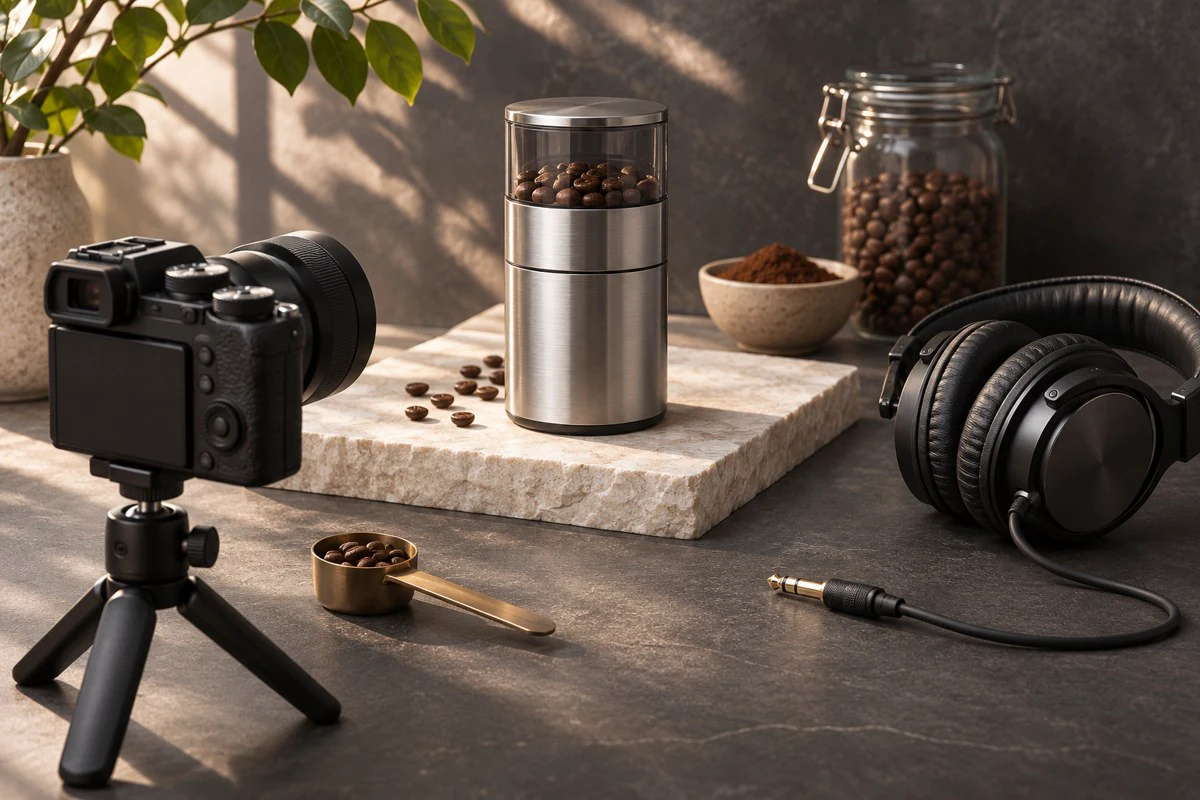
In the coffee example, opening the grinder, adding beans and explaining the controls may work with a new musical bed and product sounds. A lip-synced joke may not survive a different song, even at a similar tempo. Those are different adaptation jobs.
Separate creator-content usage, music review, soundtrack replacement, picture editing and final mixing in the scope. No universal replacement fee or saving applies. If paid reuse is foreseeable when commissioning the creator, agree suitable sound deliverables early, without asking them to distribute music files they are not entitled to supply.
For a continuing content library, retain the approved picture version, music source, permitted use, adaptation decision and final ad together. That makes the next purchase easier to assess than a folder of attractive finished videos alone. This is ONCE's operating recommendation, not a measured client outcome.
Explore ONCE's production resources. Bring the candidate creator video, its music source and your actual media plan to the first adaptation brief. Establish what can stay before buying it as an ad deliverable.
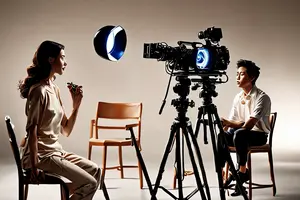
The original AI cover is a conceptual production scene, not an app screenshot or a delivered campaign. No specific artist catalogue, creator results or music-clearance test is claimed.