Project Initiation Logic: The First Frame Is the Answer
In short-video feeds, users scroll quickly, making the first shot responsible for both filtering audiences and building initial trust. Many brands mistakenly believe the first frame should display a logo or aesthetic B-roll, often causing instant user drop-off. Correct initiation logic requires the first frame to directly present the core pain point solved by the product or the intuitive result after use. Marketing leads must define a key criterion during planning: can target users understand the product’s purpose without sound? If the first frame fails to convey core value within three seconds, subsequent conversion rates will drop significantly. Teams must determine the first frame during script planning rather than relying on post-production fixes. This decision directly impacts set design and prop preparation; failing to lock the first-frame concept early often leads to redundant footage lacking core execution.
Designing and Selecting Visual Hooks
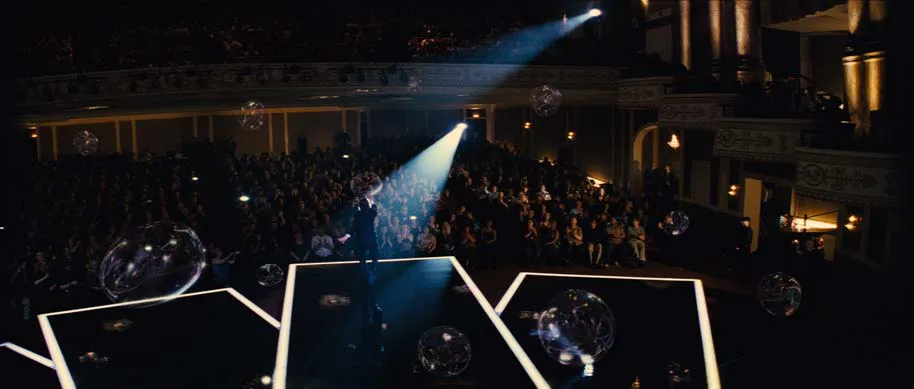
Visual hooks are not about showing off skills but reducing cognitive load for users. Referencing high-dynamic visual composition, product video first frames should feature strong contrast or dynamic tension. For cleaning products, for example, the first frame could be a close-up of instant stain removal rather than a static shot of the bottle. Production teams must evaluate product features to select the most visually impactful moment for the opening. If the product appearance is plain, macro photography, high-speed shooting, or special lighting can enhance texture. There is a risk: overly pursuing visual spectacle may deviate from actual product functions, misleading users. Thus, visual design must serve functional expression, with every effect or camera movement having a clear narrative purpose. Brands should provide competitor analysis to help teams identify differentiated visual angles and avoid homogenization traps.
Pre-production Materials and Personnel Coordination
Thorough preparation is the foundation of efficient execution. Brands must organize product selling points and common user questions in advance to clarify core communication goals. Production teams should create detailed storyboards based on this, prioritizing the first frame design. For personnel, the director leads visual style consistency, the cinematographer handles technical implementation, and the gaffer supports material representation. Scene selection must match the product usage environment, avoiding cluttered backgrounds that distract from the subject. Prop preparation must be meticulous, ensuring all items are in good condition and align with brand tone. Both parties must confirm reference visuals and restrictions before shooting to reduce communication costs. For cross-border marketing, confirm cultural differences and language norms early to avoid misunderstandings due to insufficient localization.
Key Actions During Shooting Execution
The core task during shooting is ensuring the technical quality and information density of the first frame. Cinematographers must work closely with directors to confirm lighting direction, depth of field, and motion paths. For e-commerce product videos, clarity and color accuracy are crucial, as any blur or color cast undermines trust. Gaffers must adjust lighting schemes based on product material; use softboxes for reflective surfaces to avoid messy highlights, and add rim light for matte materials to enhance three-dimensionality. Actor performances should be natural and engaging, avoiding exaggeration. If using AIGC for backgrounds or elements, ensure consistent lighting logic with live-action footage. Monitor first-frame effects in real-time on set; if information transmission is unclear, immediately adjust camera positions or props. Ignoring on-set monitoring may lead to irreparable information gaps in post-production, increasing reshoot costs.
Pacing Control in Post-Production Editing
Post-production editing is not just assembling footage but reshaping rhythm. After the first frame, the video must quickly expand on the argument to support the value proposition presented initially. Editors must remove all redundant pauses to maintain tight cuts. Sound effects and background music must sync with visual rhythm to enhance emotional guidance. Subtitle design should be concise and prominent, avoiding obstruction of key product details. Color grading must unify the overall tone to ensure brand image consistency. For multi-version outputs, adjust aspect ratios and resolutions for different platform specifications. Post-production teams must confirm subtitle accuracy with brands to avoid misunderstandings from translation errors or cultural differences. Continuously review the first frame during editing to ensure subsequent content aligns with its promise, avoiding disconnects. Decisively cut any content deviating from core selling points to maintain viewer attention.
Multi-Dimensional Acceptance Checklist
The acceptance phase covers technical, content, and compliance dimensions. Technically, check if video clarity, audio levels, and color space meet platform requirements. Content-wise, confirm if the first frame clearly conveys core value, if subsequent content effectively supports it, and if the overall narrative flows smoothly. Compliance-wise, review for infringing materials, false advertising claims, or prohibited visuals. Brands must verify consistency between the script and final cut, recording feedback for the production team. Delivery of source and project files should also be included for future repurposing. If major deviations are found, such as the first frame failing to answer purchase questions, request re-editing or reshoots. Acceptance is not just confirming the final product but accumulating production experience; teams should summarize lessons learned to optimize future workflows.
Unsuitable Scenarios and Risk Warnings
Not all products suit the 'first frame is the answer' strategy. For high-ticket, complex products with long decision cycles, users need more background information and trust endorsements; a single visual hook may seem frivolous. In such cases, the first frame is better suited for establishing brand tone or showcasing professionalism. Additionally, if product functions are hard to visualize, such as software services or abstract concepts, forcing a visual hook may distort information. Brands must assess product attributes and target audience habits to choose appropriate content strategies. Risks include takedowns due to platform rule changes and homogenized competition from competitor imitation. Teams must stay sensitive to market trends and adjust content directions accordingly. Avoid blindly following popular templates; innovate by combining them with unique brand characteristics.
Next Step Action Recommendations
Before starting new projects, brands should organize existing product selling points and user feedback to clarify core communication goals. When communicating with production teams, provide clear reference visuals and restrictions to reduce costs. Visit the ONCE official website to understand professional support capabilities for cross-border e-commerce product videos and overseas marketing videos. During material preparation, ensure product samples are in good condition and provide detailed usage scenario descriptions. During final acceptance, strictly follow the checklist to ensure quality. Content creation is an iterative process; collect data feedback after initial launch to optimize future video strategies. Remain restrained and rational, avoiding unrealistic expectations for single videos, and focus on long-term brand asset accumulation.

If you are preparing for a product video shooting project, first organize your brief, reference visuals, product or company materials, delivery platforms, and copyright scope, then viewthe E-commerce Product Video Service pageto ground communication from abstract preferences to executable production boundaries.