For a visual-ad test, product teams should arrive with an accurate sample, a clear buying question and a shot list that answers it. Confirm participation and current asset requirements before booking production. OpenAI describes the initial visual format as a limited test; a production plan should not assume general availability.
Bring the sample and its approved information
Identify the exact model, colour, accessories and packaging that the advertiser intends to offer. Bring the approved feature wording and any evidence needed for a demonstrable claim. If the campaign uses a prototype, decide how its status will be described before it appears in a scene.
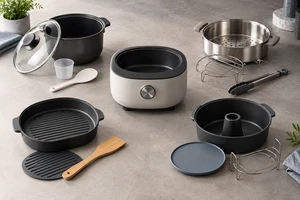
Capture reference views that show the object clearly: front, side, controls, ports, material and the parts involved in the proposed action. These views are useful for correcting a generated extension and for checking whether later crops still represent the same product.
Shoot the complete use action
For every proposed scene, film or photograph the start, meaningful action and visible result. Show the scale relationship with hands and surrounding objects. Give the reviewer a clear view of the feature rather than relying on decorative lighting to carry the explanation.
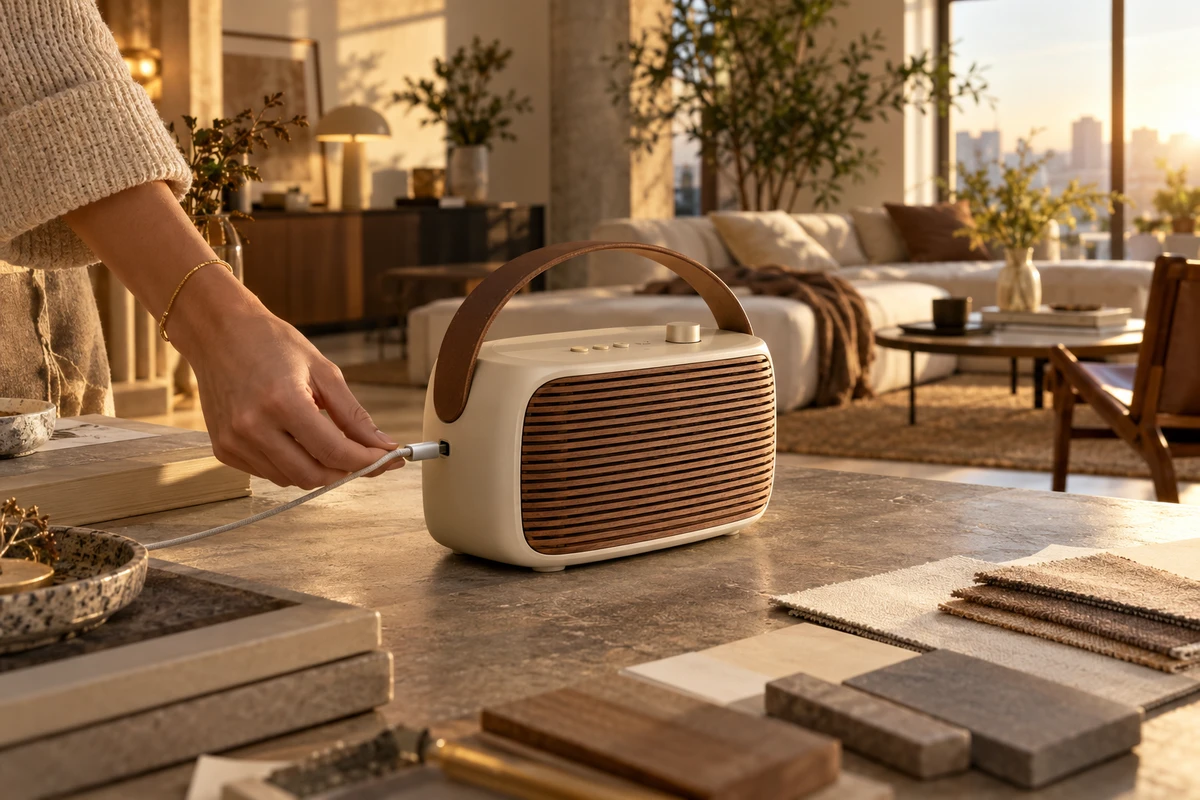
Capture alternatives where the product is not obscured. A strong lifestyle composition may still fail as a product explanation if a hand hides the connector or a prop makes the item appear larger than it is.
Separate the footage needed by each variant
List the scene, framing, product detail and destination beside each planned variant. Keep clean plates and text-free views where useful. If generation will supply a location or prop, record which parts of the final scene are real and which will be constructed.
Agree the review sequence: the product owner checks accuracy, the creative reviewer checks whether the decision scene reads, and the advertiser checks the current placement preview. Those are different reviews; approval of an attractive image does not establish a supported product claim.
Prepare a recoverable handover
- Approved reference photographs and their sample version.
- The accepted scene images and labelled alternatives.
- Editable elements, captions or associated copy included in scope.
- A record of which file belongs to which destination and review.
Compare this with the decision-scene briefing guide. For production, see AIGC commercial production or send ONCE the sample and planned scenes.