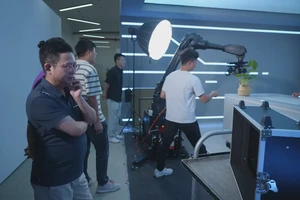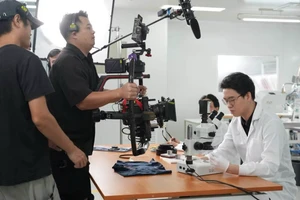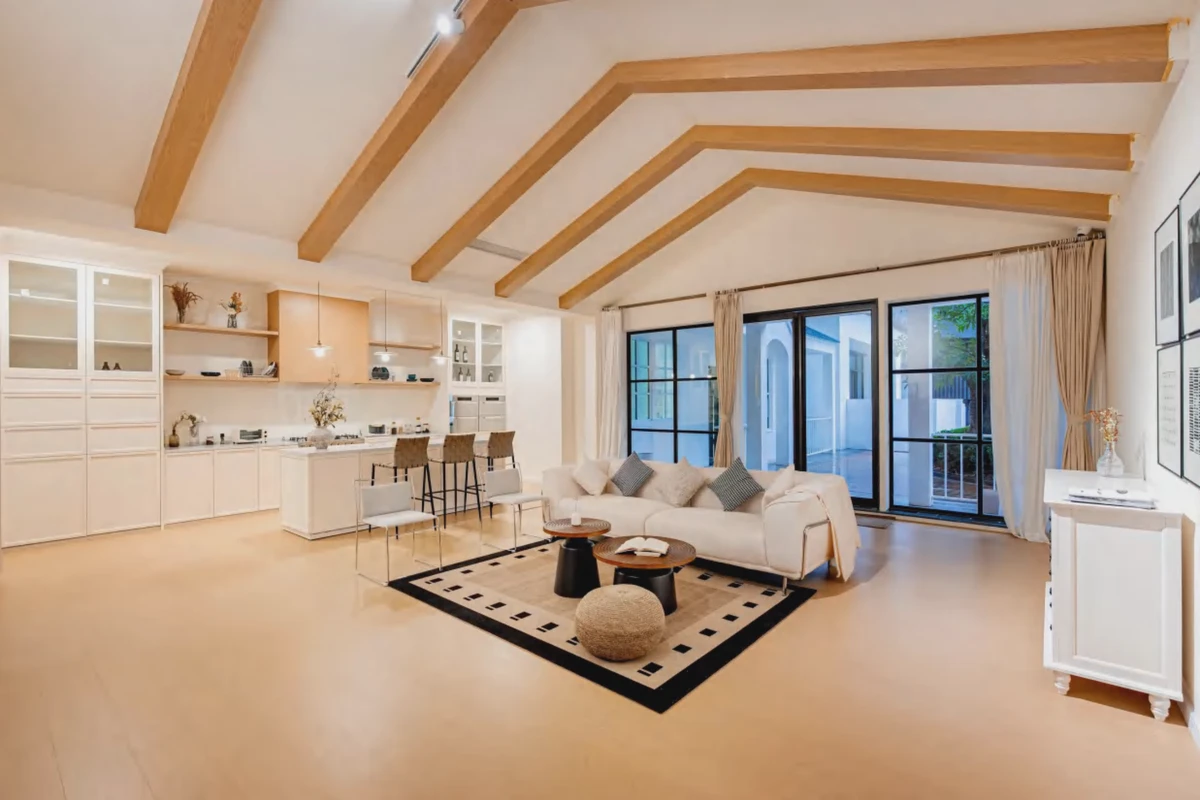
A commercial film needs four pieces of action: a product demonstration in a home kitchen, a character entering an office building, a conversation in a café setting and an exterior arrival. Browsing more than a hundred scene galleries may produce a long list of attractive images without producing a workable location plan. For a Shenzhen filming-location shortlist, translate the script into shot tasks first, then see which scenes can form one production route.
This question grew out of ONCE's recently completed Shenzhen filming-location directory. In the current published material, the directory organises 9 bases or branches, 134 scene groups and 12 scene categories. Those counts describe the present directory, not every available location in Shenzhen. They do not establish current availability, permissions or technical suitability. The directory is for initial research; the venue and the relevant department leads still have to confirm the shoot.
Replace mood words with actions the location must support
Words such as “premium,” “relaxed” and “cinematic” can guide art direction, but they do not filter a location on their own. Write each scene as an action. A home setting may need a product demonstration, performer movement and a background that works in both landscape and portrait. An office sequence may need the same character to move from an exterior into a lobby and then a meeting room. A café scene changes completely when it includes recorded dialogue rather than silent atmosphere shots.
For each task, record what must appear on screen, what the art department could alter and what only a recce can verify. An attractive room that does not support the essential action drops out. A less obvious candidate that can deliver the main shot stays in consideration.
Group scenes by base before using the map
When a film needs home, workplace and social environments, first ask whether several useful scene groups sit within one base. Then decide whether the story justifies moving to another base. This order exposes the relationship between company moves, equipment, crew and art resets. The directory's district filters and map-search links help with orientation; they are not verified coordinates or travel-time estimates.
In Film London's interview about the locations for Hamnet, the team describes using image research before recces and employing one location for multiple scenes, while later site discussions and structural checks still mattered. It is a UK production example, not a Shenzhen rule. The useful principle is narrower: images create candidates, story actions shape the grouping and site evidence decides whether the plan can proceed.
Keep the decision in a three-column shortlist
| Shot task | Directory filter | Still to verify |
|---|---|---|
| Use the product in a kitchen, then move into the living room | Prioritise home scene groups with adjacent kitchen and living areas | Movable surfaces, camera and light positions, sound and power |
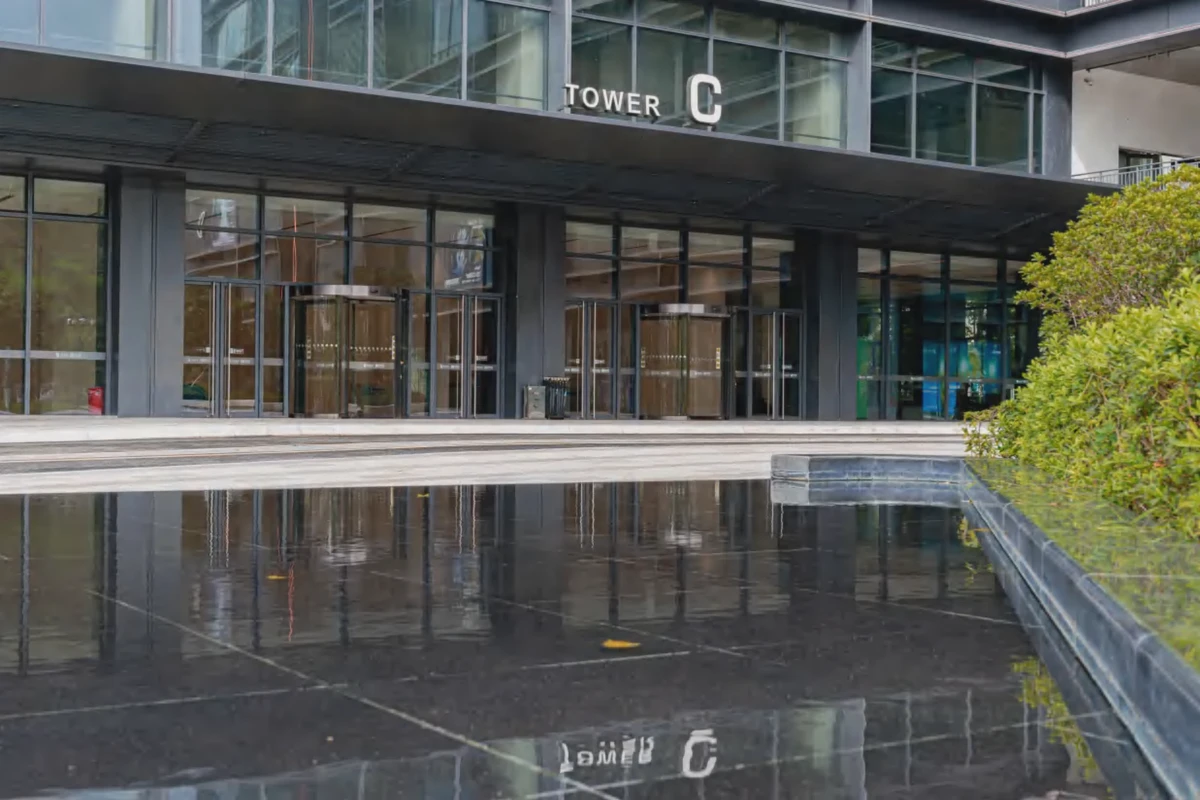
| Move from a building exterior into an office lobby | Prioritise exterior and lobby options within the same base | Filming boundary, crew and equipment access, site-management conditions |
| Record a two-person café conversation and a vertical cut | Look for depth in both landscape and portrait compositions | Room tone, reflections, control of the space and portrait-safe framing |
Keep a primary option and a backup for each task, with every material unknown in the third column. If the photographs do not answer a question, mark it for the recce. Do not infer dimensions, noise, electrical capacity, rigging, fire requirements, permissions or booking dates from similar-looking images. When both options lack the same essential condition, revise the shot or continue the search instead of collecting more pictures.
Choose one base or several according to the story
A single base can make sense when several scene groups support the script and can share crew, equipment and art plans. Multiple real locations can make sense when the story needs authentic scale, a specific exterior relationship or environments that should feel clearly different. A multi-base plan should be arranged by district and move order, with each load-in, reset and venue handover included in the schedule. Visual appeal alone is not the comparison.
The shortlist answers “which places are worth investigating.” A technical scout answers whether the planned equipment and working method can use them. ONCE's guide to checking locations and power before a commercial shoot covers that next boundary.
Hand the shortlist to the recce
A useful handoff has four parts: numbered shot tasks, links to the relevant scene groups, the primary and backup choices, and an owner for every unresolved condition. A remote team can also request the continuous access walk, labelled camera views and time-specific room tone described in the remote Shenzhen studio-recce checklist before deciding which candidates deserve an on-site visit.
For a Shenzhen commercial, brand film or product video, send the shot tasks, proposed dates, largest equipment or sample, dialogue requirement and delivery formats through the ONCE project enquiry. The team can turn those requirements into a location shortlist and identify the questions that the venue and department leads must answer in person.