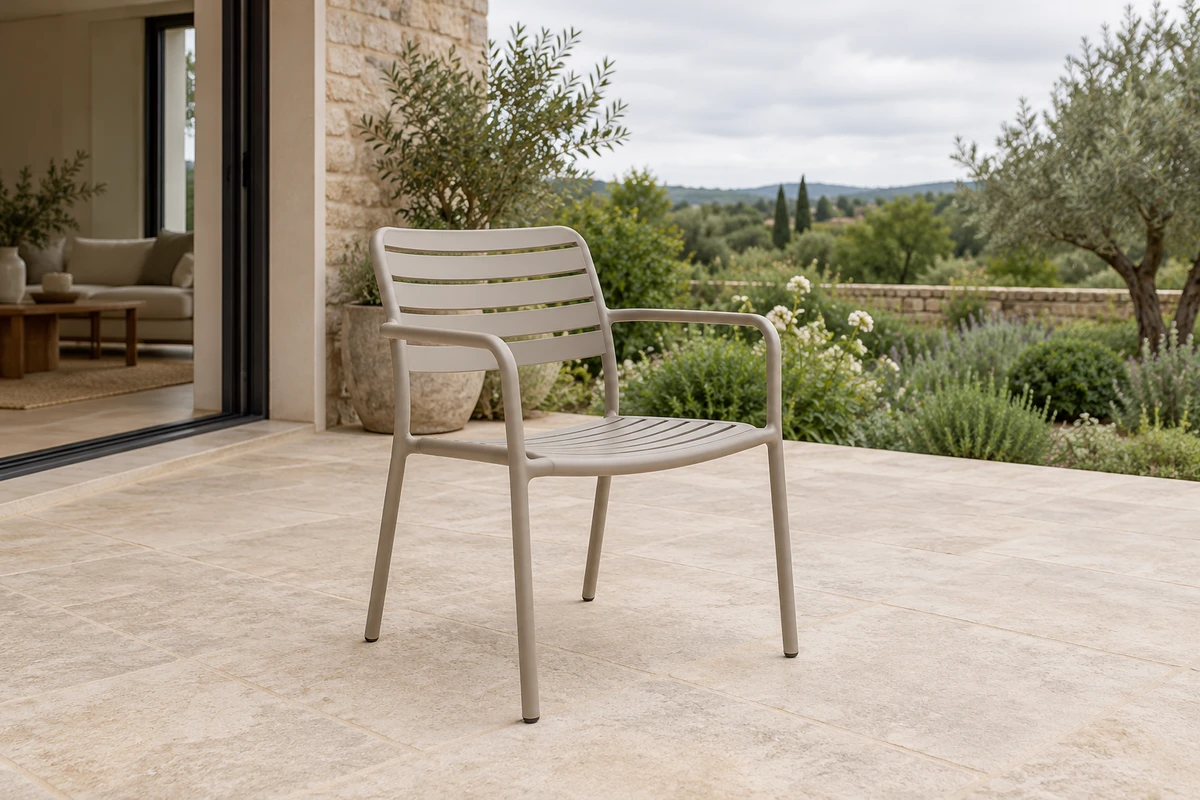
Imagine commissioning an outdoor furniture film from a China-based production partner. The defining shot needs low evening sunlight to draw a patio chair’s outline across the ground. The day stays dry, but thick cloud removes the shadow. The shot fails even though the crew never sees rain.
This fictional example poses a useful procurement question. If you are discussing parametric weather cover, does the proposed event actually address the condition the film needs? ONCE’s Shot–Trigger Cross-Check separates three things: completing the shot, reaching a defined weather event, and incurring additional production costs. Compare them before asking a qualified insurance professional about a particular arrangement. Do not treat insurance as a replacement for a workable production plan.
A product description is not confirmation of your cover
Tokio Marine HCC’s current US Commercial Production Protection page describes weather-related protection for production and notes availability restrictions, exclusions, limitations and conditions. Its separate international Parametric Weather page describes defined weather events for a specified place and period, including film and television applications. Both were checked October 17, 2026; no full publication date was confirmed.
These pages establish that such risk-transfer approaches are offered. They do not constitute one combined policy. Nor does a reference to worldwide scope establish that a particular brand, operating entity or Chinese shoot can obtain the proposed cover. Eligibility and local requirements need professional confirmation. This article does not recommend a provider or decide whether any project can buy its products.
Aon’s current Parametric Insurance explanation, checked October 17, describes predefined events identified through independent third-party data. That is a different basis from a director deciding whether footage meets a visual reference. We use the event-based concept, not advertised settlement speed as a project promise. Actual payment remains subject to the arrangement and its other conditions.
There is a useful production-side comparison. In the weather section of Questions to Ask Before Booking an Outdoor Video Shoot: Weather, Permits, Safety, Apres Visuals separately raises visual preferences, safety limits, backup dates, weather-day charges and work that can be substituted. The relevant section was read October 17; the page shows April 5 without a confirmed year. It supplies preparation questions, not insurance interpretation.
ONCE’s inference is that “bad weather” is too imprecise to serve simultaneously as a visual brief, an insured-event definition and an explanation of extra expenditure. Translate each into its own terms, then compare them against the same shot.
Work backwards from the required image
For the fictional chair film, start with the image’s job: directional light makes the chair’s outline and its relationship to the space legible. Identify the conditions that cannot casually change—light direction, the useful window, any continuous action and continuity with adjacent shots. Do not substitute a precise-looking rainfall number for an unresolved creative requirement.
Prepare two descriptions. The production team needs to know what remains acceptable, what requires a different shot and what requires another date. The insurance discussion needs the proposed weather variable, location, dates, time zone, window and agreed data source. If hours matter, ask how definitions such as consecutive or accumulated periods relate to the production requirement. The producer should not invent the policy’s answer.
“Some dry time across the day” and “enough usable time for this sequence at sunset” are different questions. This is a logical distinction, not a claim that a particular product uses accumulated hours or that an exact match can necessarily be insured.
Likewise, a forecast helps with preparation and scheduling. Whether an insured event is recognized must be checked against the agreed evidence and process. A weather-app screenshot is not, by itself, a conclusion that cover has triggered.
Run the ONCE Shot–Trigger Cross-Check
Cross the shot’s completion status with the occurrence of the proposed weather event. This is a discussion tool, not a claims table. Reaching the event does not establish that every policy condition has been satisfied.
| Hypothetical combination | Production question | Question for the qualified insurance professional |
|---|---|---|
| Shot completed; proposed event not reached | Has the material passed the agreed acceptance, and is further work necessary? | Check the actual arrangement rather than inferring how all cover operates from a successful shoot. |
| Shot not completed; proposed event not reached | What adaptation, rebooking or accepted alternative is needed, and at what quoted cost? | Which problem does this trigger leave unaddressed? Is other relevant cover present? Do not assume the expense will be recovered. |
| Shot completed; proposed event reached | Keep truthful records of completion and conditions. | Are evidence of loss or other conditions required, and what process applies? Do not predetermine payment or rejection. |
| Shot not completed; proposed event reached | Who can authorize recovery work, when can it happen, and which costs will arise? | Do the data and other conditions meet the specific arrangement, and who supplies and follows up the required material? |
The second row often deserves the most attention. Thick cloud prevents the required sunlight, while a proposed arrangement concerns a particular rainfall condition. That may expose a mismatch between the production need and the trigger. It does not create an obligation for an insurer to solve the creative problem.
Bring the mismatch back to the creative discussion. Is the original image essential? Could the brand approve a genuinely different visual treatment? Which work could proceed first? If the shot remains irreplaceable, ask a suitable professional what protection can be considered. Do not begin with the assumption that every condition is insurable. No real policy or claims test was used for this article.
Keep the recovery budget visible
Put the insurance discussion beside the recovery-work budget, but do not subtract an unconfirmed expected payment from expenditure that may become due. Itemize backup-location work, rescheduling, extra shooting and version changes using the actual scope and quotations; list insurance costs separately. Identify the authorizer, payment dates and unresolved funding questions. This is a project-discussion approach, not an accounting standard or financial recommendation.
Keep two corresponding records. Production records explain what was not completed, what happened and what was decided. Materials required for the insurance process follow professional guidance for the actual arrangement. Neither record should be altered to make reality resemble an imagined trigger.
Safety remains a separate decision. Local warnings, the responsible safety lead and applicable rules determine whether work may proceed. A financial trigger or expected payment is not permission to take a risk. This article supplies no lightning, wind or other safety thresholds.
For a brand commissioning remotely, the immediate benefit is a better question set—not more paperwork. If a revised shot or a usable cover location resolves the exposure, buying additional protection is not automatically the only answer. Conversely, a policy discussion does not arrange the new crew date, obtain a location or deliver the missing footage.
For ONCE’s longer-term service design, the cross-check could become a bounded pre-production task that helps brands brief the right specialist partners. It does not turn a production company into an insurance broker. We do not claim an existing ONCE insurance service, claims experience or a validated margin improvement.
Bring one indispensable shot, the actual recovery-work scope and a short list of trigger questions to the next location-budget meeting. First establish whether they describe the same exposure. Only then discuss the financial terms with an appropriate professional.
Sources checked October 17, 2026. This evergreen production analysis does not describe a newly launched product. It is not insurance-purchase advice, policy interpretation or legal advice. Eligibility, terms and claims require qualified advice in the appropriate jurisdiction. The example and original AI cover are fictional concepts, not client work.