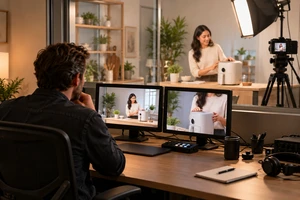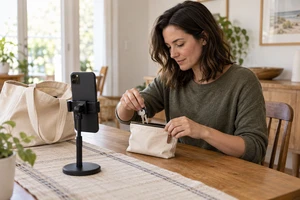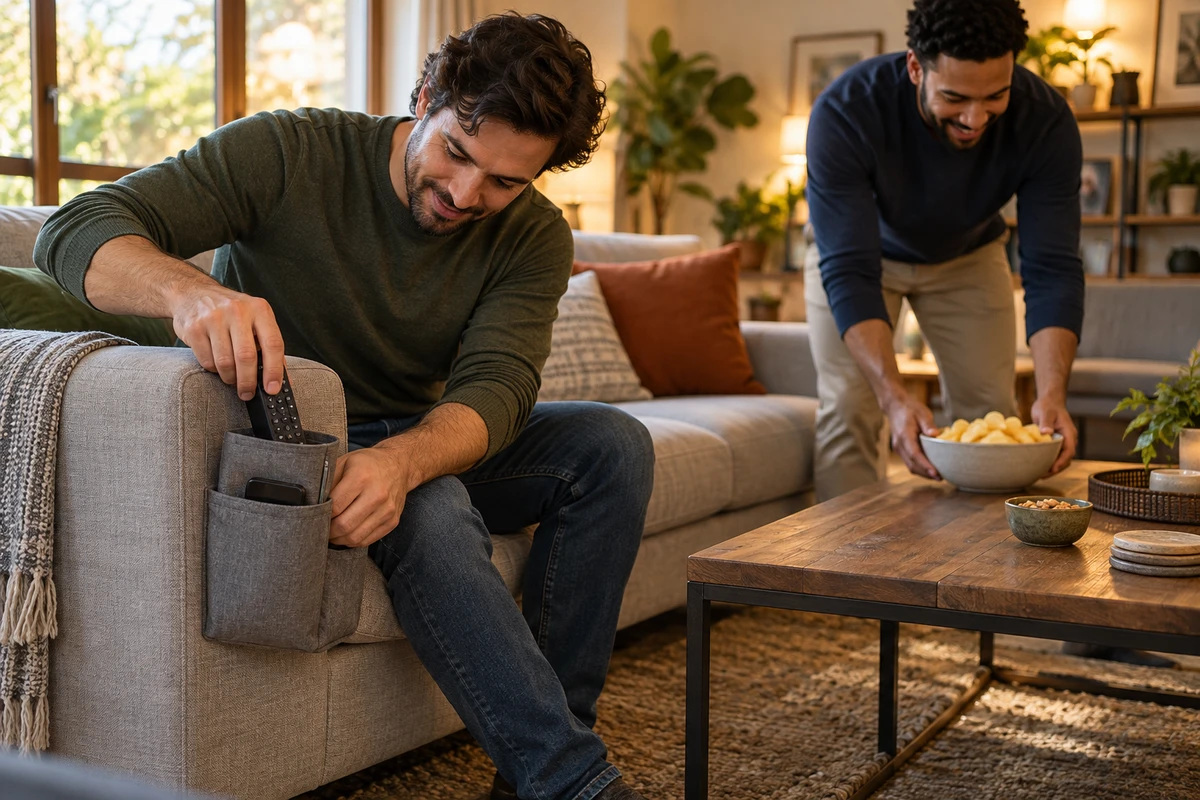
A room erupts. Friends high-five. Your product gets a close-up. It looks like a sports campaign, but the same edit could advertise almost anything. Before commissioning sports marketing video for a consumer brand, ask what the audience repeatedly does on game day—and whether the product changes one of those actions.
For international teams working with Chinese suppliers, that question also improves the production brief. The supplier can confirm how an object works. The market team must establish why a particular audience would use it that way. Neither task can substitute for the other.
A useful creative signal, not an effectiveness claim
On October 12, 2026, Coca‑Cola described the return of its “Fan Work Is Thirsty Work” campaign around American football fans, including tailgates, home viewing and group chats. In Spain, Ogilvy’s September 23 account of the Uber Eats × LALIGA campaign described football rituals such as a preferred sofa spot, a lucky shirt and a repeated match-day menu, with delivery serving those habits.
These are different sports and cultural settings, not evidence for a single global fan persona. They are also first-party accounts of creative choices and activity plans, not independent proof of incremental sales. The LALIGA project includes football stars and formal sponsorship; studying its narrative premise does not give another brand equivalent access or permissions. We have not conducted a shot-by-shot review of the campaign films.
The opportunity ONCE sees is narrower: a recognisable repeated behaviour can give a product a more specific story role than generic excitement. That proposition still needs to fit your market and your product.
Try ONCE’s “remove the score” rehearsal
This is a proposed pre-production exercise, not a validated performance model. Temporarily remove the score, match footage and celebrity from the script. Ask someone outside the project to explain the remaining story: what does the person insist on doing, what gets in the way, and what action changes because of the product?
If the answer is simply “friends enjoy themselves,” the idea may still depend on borrowed sporting energy. If the viewer can identify a particular routine and the product’s contribution, there is something concrete to develop. The exercise diagnoses the script; it does not prescribe removing all sporting context from the final film.
Start with observed behaviour
Speak to people who actually watch the relevant sport in your target market. With permission, examine how they prepare the room, arrange objects, welcome friends or keep a favourite place available. Ask about a particular occasion. A few conversations can generate a creative lead; they do not establish how an entire country behaves.
Do not import a superstition merely because it sounds amusing. A story that “fixes” a cherished habit may misunderstand the people it hopes to reach. The brand can help someone maintain a routine or manage a small inconvenience without portraying fans as irrational people in need of correction.
Make the physical contribution visible
Consider a hypothetical home-accessories brand sourcing a sofa organiser from China. This is an invented planning example, not an ONCE client case or a claim about a particular product.
An undifferentiated script shows cheering beside a tidy sofa. A more specific version follows a host who always prepares the same seat but cannot find the remote when guests arrive. The organiser gives that object a visible home; the host retrieves it and settles back into the routine. The product changes an action rather than claiming credit for the match result.
Rehearse with the actual sample and representative furniture before approving the shot list. Confirm fit, reach and stability rather than assuming every sofa behaves alike. Do not imply compatibility or performance the manufacturer has not substantiated. A convincing scene is not product verification.
Commission story variation, not repeated celebrations
A recurring behaviour might support a series, but only if later stories introduce a meaningful new circumstance. A newcomer might not know the host’s arrangement. A different, locally credible gathering might create another use for the same product. Develop those options only where audience insight and product reality support them.
Changing shirt colours, faces or captions while retaining the identical problem is adaptation, not a fresh creative concept. Conversely, a genuinely different situation may add locations, performers, props and rehearsal. A series is not automatically cheaper.
Structure the purchase around decisions: select a credible audience behaviour; approve the product’s role through a sketch or rehearsal; then commission the defined story and necessary versions. Ask the production company to distinguish research, shoot scope and post-production adaptations. This makes proposals comparable without inventing a standard cost per film.
When the idea should stop before the shoot
Pause if the product has no natural connection to viewing, or if the premise only works with match footage you are not authorised to use. Avoiding a stadium does not make a production rights-free. Have the brand and appropriately authorised advisers confirm the intended use of people, locations, team marks, wardrobe, music, and broadcast pictures or sound. This article does not establish clearance.
For a production partner, the reusable asset is an approved understanding of a setting and a set of truthful product actions—not ownership of fan culture. Preserve research and usage records only within the client’s agreed permissions. Future content can build on that work, but neither repeatability nor commercial results are guaranteed.
Before requesting bids, finish this sentence: “During this verified viewing routine, our product lets this person do ___ instead of ___.” If it remains vague, commission discovery first. If it is specific, bring the sample, proposed setting and intended usage to the production discussion. See ONCE’s video production solutions for the broader scope of brand and product film work.
Sources: The Coca‑Cola Company, From Tailgates to Group Chats, Coca‑Cola® is Celebrating Football Fans Everywhere This Season, October 12, 2026; Ogilvy Spain, Uber Eats convierte los rituales de los aficionados en el corazón de su nueva campaña con LALIGA, September 23, 2026.