A brand can produce an impressive trailer without showing a prospective member what its paid content is actually like. Fast cuts demonstrate production value. They do not necessarily reveal the pace of the teaching, the knowledge assumed or the experience someone will be buying.
For overseas teams commissioning content with a Chinese production partner, the first decision is therefore not always “make a new promo.” It may be to select an honest, intelligible passage from the content already made. Commission a separate trailer when that passage cannot answer the buying question on its own.
Two publishing options create different production jobs
Uscreen’s Free Video Previews, dated August 28, 2026, documents selectable durations and a custom starting point. New uploads have a 30-second preview selected by default, while an existing trailer takes priority. These are service-specific behaviours, not evidence that the default segment is the right sample.
The same-dated Video Trailers guide describes uploading a separate trailer and assigning it to a video or collection. Selecting a passage and producing an introduction are thus distinct options. This article checks those current documents on October 19, 2026; it does not present them as an October launch or adopt the provider’s conversion-lift claims.
The production opportunity is in deciding what the visitor needs to experience. A title sequence may identify the creator while leaving the teaching entirely untested. A highlight reel may show excellent outcomes while concealing the ordinary route towards them.
Use the ONCE normal-passage test
Start with one uncertainty a prospective buyer actually has: “Will I be able to follow this explanation?” or “Does this series discuss choices, or only display finished work?” Then look for a passage with an understandable starting point, a representative process and a useful stopping point.
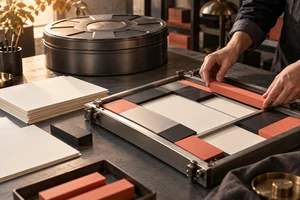
Consider a fictional craft brand selling a paid paper-craft series alongside its physical products. A montage of elaborate finished pieces may be attractive. A normal passage in which the instructor explains one choice, shows what changes and discusses the result gives a different kind of evidence about the viewing experience. This is a planning example, not an ONCE project or a measured sales result.
The passage need not reveal an entire paid programme. It should nevertheless finish a comprehensible small unit rather than interrupting the explanation solely to force a purchase. Describe what comes next accurately. Worksheets, personal feedback or continuing releases belong in the sales promise only if they are genuinely included.
This method is most directly useful for explanatory and instructional content. Entertainment or documentary memberships may instead need a representative stretch of tone and storytelling. Do not invent a miniature lesson merely to make every type of paid video fit the same structure.
Choose the smallest intervention that answers the question
If an existing continuous segment works without earlier context, begin with selection and publishing checks. There is no automatic reason to recut the paid film.
If the segment is good but assumes information a newcomer lacks, add an appropriate introduction through a separate trailer file or supporting page copy, according to the platform’s actual capabilities. A continuous-preview setting should not be mistaken for an editor that can insert new narration or combine scenes.
If the purchase covers a whole series, one excerpt may not explain its range. A dedicated series trailer can combine accurate orientation with representative passages. It should make clear that the sample belongs to a larger offer, not imply that one lesson demonstrates every level, topic or benefit.
A trailer may move faster than the paid content, but it should not fabricate a different experience. If the normal instruction is patient and detailed, an uninterrupted sequence of punchlines and finished results can create the wrong expectation. Keep enough ordinary process for the visitor to judge the style.
Brief the sample alongside the main production
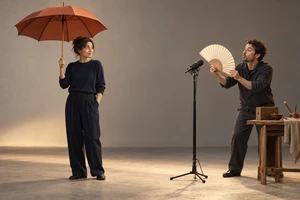
For a content shoot, identify where a self-contained passage could begin and end. Preserve the relationship between explanation, demonstration and feedback. Decide whether a necessary contextual line needs recording before assuming that a costly new promotional shoot is required.
Scope selection, new introductory material, trailer editing and final viewer checks separately. That helps a buyer compare proposals without confusing a publishing configuration with a new production. There is no universal price or savings percentage: an existing passage may suffice, or a missing explanation may require substantial work.
Ask a target viewer who was not involved in making the content to describe what happened, what prior knowledge was needed and what they expect to receive after paying. Use the response to locate misunderstanding. This is a proposed qualitative check, not a conversion study; a positive comment does not establish willingness to purchase.
If the viewer expects individual coaching because of a line in the preview, check the actual offer. If they understand the topic but cannot tell how the content unfolds, reconsider the sample. Those are different problems and do not call for the same edit.
Accept the viewing experience, not just the settings
Have the operating team check the actual experience of a visitor without access to the paid content. Confirm which clip appears, where it stops and whether the prompt leads to an offer matching what was described. An account entitled to the full film cannot stand in for that test.
For brands working across China and an overseas publishing team, make that final responsibility explicit. Production supplies the approved assets and selection instructions; the operator confirms the public-facing configuration and experience. This article does not require either party to hand over unrelated account access.
Bring a complete sample video, the real paid offer and one unresolved buyer question into the ONCE production planning conversation. Decide whether selection, a contextual introduction or a separate trailer is the appropriate job.
For ONCE, this suggests a service built around content sampling and continued upkeep, not simply an increase in the number of films delivered. It is a strategic proposal, not a claim about existing membership revenue. For the customer, the principle is simpler: give people a fair sample of the experience before asking them to buy it.
Scope: official documents checked October 19, 2026. No live Uscreen account or conversion results were tested. The craft series and original AI cover are fictional illustrations, not platform screenshots or ONCE client work.