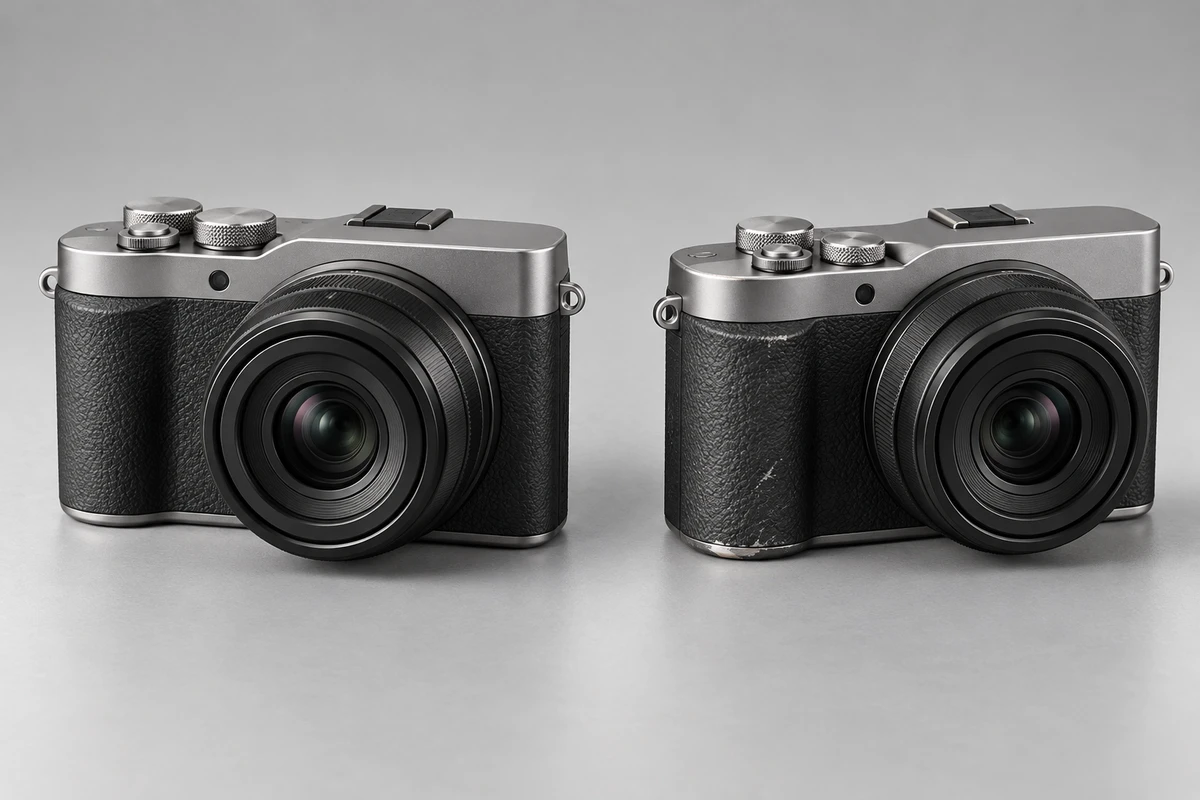
An overseas brand can commission one polished demonstration for a camera model and still need separate content for the refurbished cameras it actually sells. The controls may be shared; the worn corner, included strap and condition of each unit are not.
For teams coordinating a Chinese supplier, a production partner and overseas inventory, the useful starting question is what each image or clip represents. Is it teaching the model, explaining a cosmetic grade, or showing the particular item offered for sale? Those are different production assignments.
Recommerce deserves attention—with the survey limits intact
In its October 7, 2026 Recommerce Report announcement, eBay reports that 47% of surveyed consumers buy secondhand at least monthly. The consumer study covered 10,522 people in ten markets during July 2026. Its respondents had already participated in recommerce by buying secondhand goods.
That is not a purchase rate for every consumer, nor a sales forecast for a particular brand. It is a reason for teams already operating resale programs to take the information task seriously. Buyers need to understand what is being offered, not merely recognize the model.
Used and refurbished also describe different things. An attractive image does not establish that an item has undergone a particular inspection or restoration process. The seller must establish the accurate description from the work actually completed and the requirements of the relevant channel.
Check the selling arrangement before the shot list
The current eBay Selling practices policy, checked October 15, 2026, requires condition and flaw descriptions and actual-item photos when selling used, refurbished or flawed goods rather than stock photos. This is a photo requirement on the cited page. It does not establish a requirement to film every unit, and a generic model video does not replace the actual-item photos it calls for.
Back Market's US condition help page, updated October 9, 2026, describes appearance grading while guaranteeing full functionality across those appearance grades. It also explains its approach to not providing actual photos of every device. That is an explanation of Back Market's own service, not permission to apply the same approach to another marketplace.
The distinction matters creatively. A grade illustration cannot promise that every delivered unit carries the same marks. An individual-item listing cannot leave the buyer to infer the actual condition from a representative example. Confirm the current market, category and selling requirements before choosing the content approach.
Give every asset one clear identity
ONCE proposes three content identities. Consider two hypothetical cameras of the same model: one has a worn corner, the other has a cleaner body, and their accessory sets differ. These are invented examples, not client inventory.
| Identity | What it can usefully explain | What it cannot establish |
|---|---|---|
| Model demonstration | Verified controls, ports and operation for the applicable model | The cosmetic state, battery condition or accessories of every unit in stock |
| Grade illustration | Appearance possibilities under the seller's specified grading criteria | Identical marks on every unit, or a substitute for required actual-item records |
| Individual-unit record | That item's recorded exterior, included items and demonstrated operation | Unperformed tests, unseen internal condition, or the state of its replacement in inventory |
This is an ONCE commissioning method, not a marketplace grading scheme. It separates reusable product knowledge from information that changes with the physical inventory.
A model film can retain strong brand styling. Its role should be clear where the asset is encountered, not hidden in a distant disclaimer. For grade illustrations, establish the criteria before selecting examples; a photographer should not assign a grade by visual preference. Similar grade names across channels should not be treated as interchangeable.
The individual-unit record belongs to one item. Two cameras having identical model numbers does not make their corners, screens or accessories interchangeable content.
Make condition legible without turning wear into spectacle
For the hypothetical camera, start with a complete view, then show the worn area with enough context to locate it. A closer view should let the buyer distinguish a body-corner mark from damage to the lens. Adjust the angle and light to reveal the surface without exaggerating a minor mark or burying it under glare.
In video, hold the relevant position long enough to understand it. Constant rotation, shallow focus and rapid cutting are not substitutes for disclosure. The correct duration and number of shots depend on the item; this method prescribes neither. Check the uploaded version too, because a detail useful in the source may become unreadable after compression on a small screen.
Photograph the accessories actually included with that unit. A premium box, strap or lens should not appear to be included merely because it improves the composition. A startup or button demonstration records that action at that moment; it is not a battery-life test or proof of every function.
Set a clear brief for retouching and AI tools. Condition-bearing surfaces must not quietly lose their scratches, gain missing parts or acquire an invented clean display. Cropping and background work also need review for omitted wear or altered edges and materials. Retain originals alongside approved edits so the seller can compare them.
Rehearse the inventory change, not only the upload
Assign each sample an internal inventory reference before capture. Keep an identifying record with its exterior, detail and accessory set rather than relying on its position on the table. Public treatment of serial numbers should follow the actual privacy, security and channel requirements; internal traceability still needs to work.
Before launch, mark the first hypothetical camera as sold. Does its condition footage remain on the second camera's page? Change the second camera's accessory information to another genuine configuration. Do the images and copy follow? This is a proposed workflow rehearsal, not a completed ONCE test.
Replacement stock, a changed grade, a new accessory set or another repair should prompt review of the affected records. An unchanged model number does not mean unchanged unit information.
Where inventory is held abroad, a brand could produce the reusable model film in China and commission necessary unit capture at the warehouse using an agreed example. Specify who checks the identity match and who removes or replaces obsolete records. Location should not break the relationship between the content and the item.
Commission reusable knowledge and recurring records separately
Compare proposals by separating model demonstrations, grade explanations, unit capture, review and updates. Shared work depends on the model and grading scope. Unit work depends on the actual stock requiring capture, item complexity and handling process. A hero-film fee should not imply unlimited coverage of changing inventory.
Nor must every camera become a miniature commercial. A clear model film can sit beside consistent, purpose-built unit records made with a repeatable background, framing and review sequence. Whether that is sufficient depends on the channel and item risk. Select photos and video for the questions they answer, rather than demanding the same runtime for every unit.
For a production company, this suggests a possible division between campaign creation and bounded ongoing inventory-content work. It is ONCE's analysis of a service opportunity, not an announced package, measured margin improvement or promise of fewer returns.
For a discussion through ONCE's video production solutions, bring the sales channel, the actual grading description, two meaningfully different units and the warehouse's identification process. Decide what every asset represents before scaling the capture. Reuse the knowledge of a model, not the history of a different item.
Sources checked October 15, 2026: eBay's October 7 report announcement, its current Selling practices policy, and Back Market's US help page updated October 9. The camera examples and original AI cover are concepts, not customer stock, grading evidence or inspection results.