How do you compare two brand film production quotes when their totals differ? Start with a key shot, not a camera list or the finished film's running time. Trace that shot from the creative idea to an executable shoot, the edits you will actually receive, and the rights needed to use them. Then apply the same questions to the rest of the project.
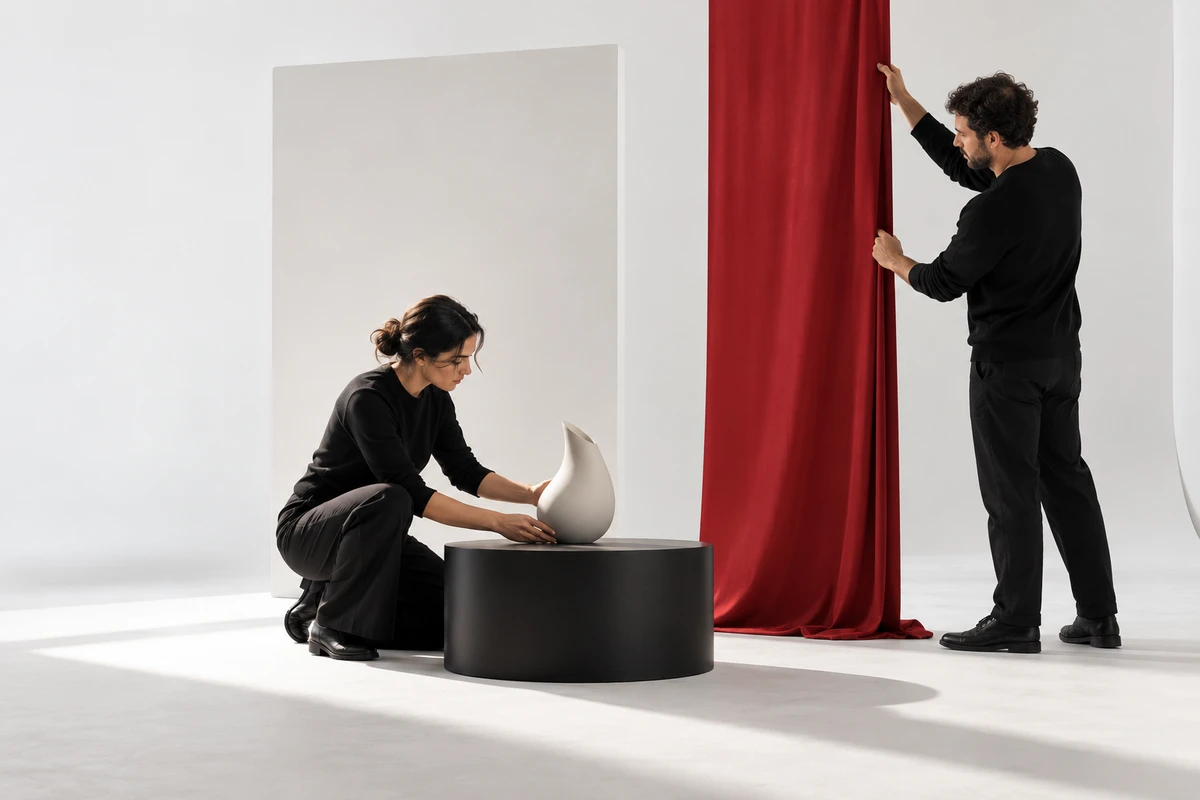
Here is a hypothetical example, not an ONCE client project or a real estimate. A launch film includes a person picking up a product from a table and demonstrating its central function. The main film is intended for a website and launch event; the brand also wants a vertical social cutdown. “One shot, two formats” sounds simple. In practice, it raises questions about the product claim, the performer's action, lighting, framing, and the edit. A shot task card makes those assumptions visible.
Decision one: What does the creative line item actually deliver?
“Creative included” might mean a direction call. It might mean an audience insight, a proposition, a script, storyboards, and an approved shot list. Ask how many directions will be explored, who verifies product claims, what the performer needs to do, and who signs off the script and storyboard before the shoot.
In our example, “show that the product is easy to use” is not yet a shootable instruction. The task card should name the operation, the step a viewer must see, whether a hand might obscure the feature, and whether the product can be reset between takes. A new core claim after script approval may change props, action, and the edit, not just a line of voiceover. The estimate should identify the included creative rounds and how a change after approval will be assessed.
The ONCE brand film service starts with the brand proposition, people, product, and visual language. The brief should establish what the film must demonstrate before it locks in equipment. AICP's 2026 bidding guidance supports a transparent, comparable discussion of bids; it is a production reference, not a price list for Shenzhen.
Decision two: What does this shot ask of the shoot day?
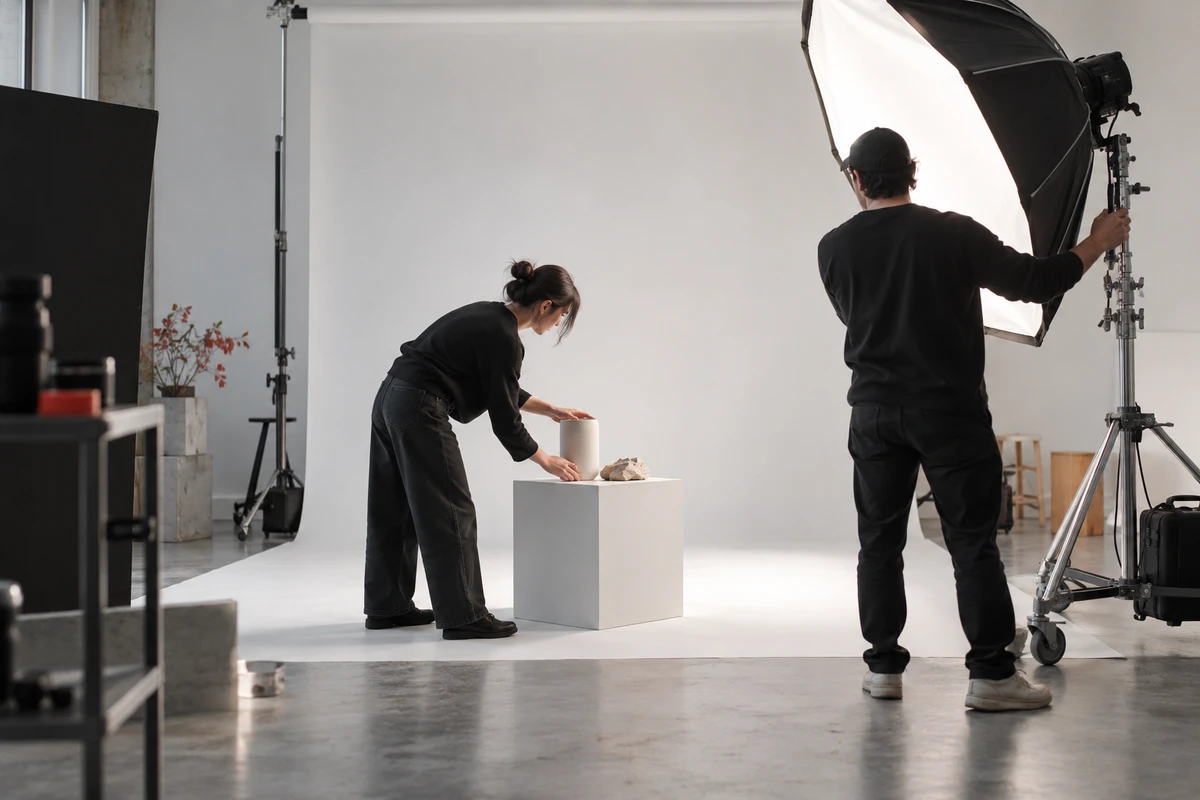
A production day is a sequence of tasks, not simply a camera model multiplied by hours. Ask whether the sample needs several prepared states, whether the performer repeats an operation, whether the set changes, and whether the lighting must serve both product surfaces and a face. Resetting or cleaning a sample between takes can affect how many shots fit into a day. Keeping hands and product legible in a vertical frame might require a different position or a separate take.
Only then compare the director, camera, lighting, art, production, location, and equipment against the tasks they serve. Clarify when setup, tests, wrap, and the performer's working window begin and end. “One shoot day” does not, by itself, settle overtime or reshoot terms. More resources do not automatically improve the outcome; missing a necessary role or an adequately prepared sample can move predictable work onto the day of filming.
For each important shot, ask the bidder to mark what is included, what depends on an assumption, and what is excluded. That is a more useful explanation of a price gap than a long gear list.
Decision three: How many usable assets come out of the master film?
If the brief asks for a horizontal master and a vertical short version, distinguish three tasks: exporting the same edit, reframing it with revised graphics or captions, and re-editing the pace and shot order. All may be called “additional versions,” but they are different scopes. A vertical crop might lose the product; a demonstration that reads on a wide screen might be too fast on a phone. The shot list may therefore need a dedicated close-up.
Specify the use, aspect ratio, duration range, language, subtitles, opening and closing frames, file format, approver, and review rounds for each deliverable. If a version will run as a YouTube ad, check its safe zones. Google Ads' video specifications show that interface elements can obscure logos, products, and text, with references for horizontal, vertical, and square videos. This does not mean every placement needs a reshoot; it does mean a quick crop should be checked before anyone promises a usable ad.
Define changes by cause as well. Fixing a typo or a deviation from the approved script is different from adding a scene, replacing the central claim, or adding a language after the rough cut. The estimate should say how feedback is consolidated, who gives final approval, and how additional work is quoted before it begins.
Decision four: Where and for how long can the finished film run?
Delivery of a video file does not automatically clear every component for every use. List music, fonts, performers and other identifiable people, stock assets, and third-party artwork separately. Record who supplies them, who obtains the relevant permission, which channels and territories are covered, the term, and whether cutdowns or language adaptations fall within scope. A vague promise of “all rights” does not answer those questions.
The World Intellectual Property Organization's guide to audiovisual rights clearance discusses distribution windows, territories, and advertising uses when clearing music, as well as separate checks for visual materials and people. Fonts and stock assets also have their own license terms. The relevant agreement must be checked for the particular asset and campaign; this article cannot establish that any given asset is cleared.
Put both bids on the same task card
Return to the hypothetical product shot. Ask each supplier what will be approved creatively, what crew time the shot needs, how the horizontal and vertical versions differ, and which usage rights are included. If one bid covers a master plus a crop while another includes a purpose-built vertical edit, align the deliverables before comparing the totals. Note the approval point, assumptions, and change process beside each task.
This method works best for a brand film or campaign with known distribution plans and two or more production approaches to compare. Early concept exploration may need a range estimate first, followed by a firm scope when the script and versions are agreed. You can see the wider ONCE brand content approach. When the project is ready to scope, share the audience, product facts, intended uses, markets, and launch date with ONCE, then submit a brief for a production scope and estimate.
Production examples and next steps
Connect the brand story to people, products and work the camera can show. The Baseus supply-chain partnership film is a brand-film reference.
Review Brand film production and Baseus: Brand Film That Works Hand in Hand with Supply Chain Partners. To discuss your project, send the audience, central story, visual references and planned versions through the English project enquiry form.