If viewers have already guessed the product category, what remains for a teaser to do? Keeping the shape in shadow may not add much suspense. A more useful creative direction can be to acknowledge what people already know, then leave something genuinely worth understanding at the next encounter.
What is it is only one launch question. How it enters daily life, which use deserves attention, or why a change matters can also open the next piece of content. Revealing a product’s identity does not exhaust its interesting possibilities. Keeping its name secret does not, by itself, give people a reason to wait.
A first appearance can complete one layer of introduction
In its January 16, 2025 official announcement, Nintendo named Nintendo Switch 2, described a first-look video introducing the hardware, and directed audiences to an April 2, 2025 Nintendo Direct for more information. This is a historical release sequence, not an invitation to an upcoming event.
The corresponding April 2 official archive provides routes to a closer look at the system and information about new games. Only the public text on these pages was read for this article. No embedded films were viewed, and no specific shots, product evaluation or campaign results are inferred.
These materials suggest a division worth discussing: an initial introduction can establish that a particular product exists, while the next expands what there is to discover about it. That does not mean other brands should copy the interval, or that an unfamiliar brand can sustain attention by announcing a name alone. The useful distinction is that the two introductions have different informational jobs.
A teaser and a main film need not compete for the sole privilege of showing the complete product first. If the later work offers a new use relationship, design explanation or human story, recognition today can still leave something for later. If the follow-up merely stretches the same close-ups, deeper concealment may not solve the content problem.
Let the next piece answer a question raised today
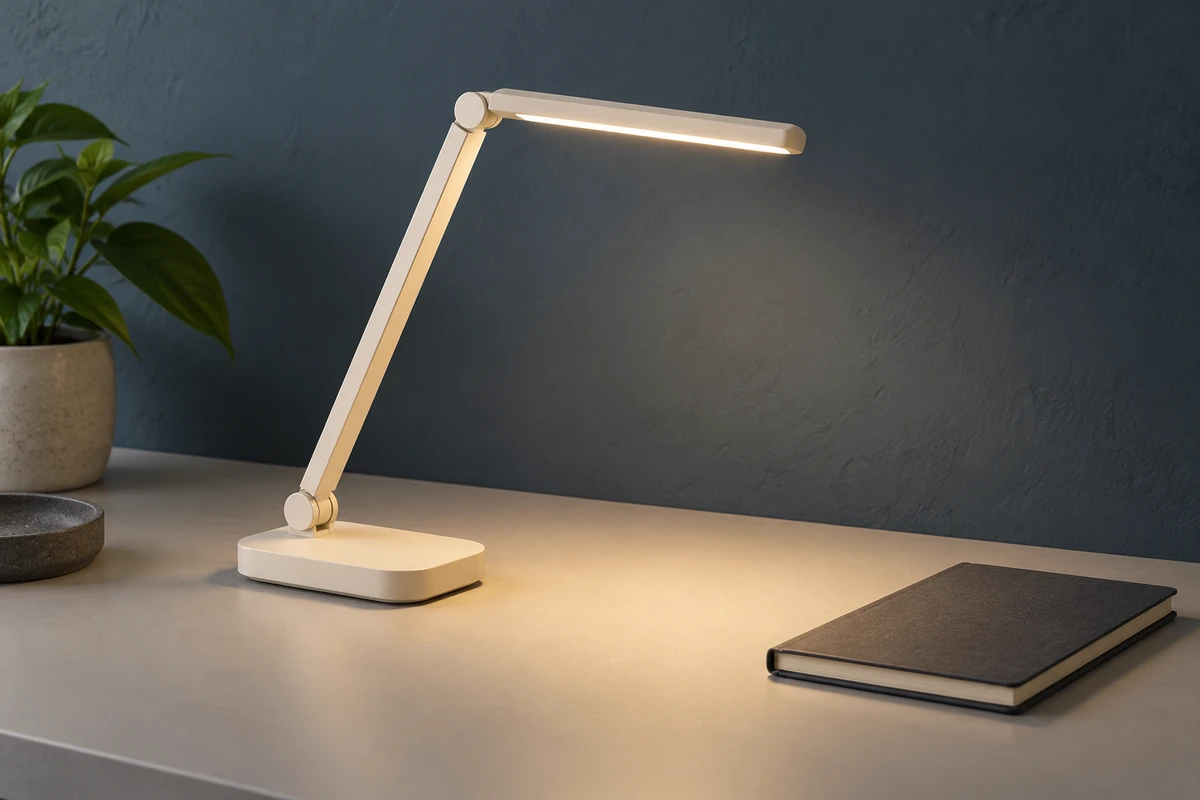
Imagine an entirely fictional teaser for a folding reading lamp. The first film can make the lamp’s identity clear while showing one particular circumstance: work has not quite been cleared away, reading is about to begin, and the desktop is being rearranged. It need not claim a lighting level, eye-care benefit or quantified space saving. Actual claims would require confirmation against the real product.
If the real sample and creative direction support it, the main film could complete that small passage of life: how someone rearranges their belongings, how the lamp participates in the shift from work to reading, and what the desk becomes. The remaining question is not what the shadow conceals, but how this object enters the situation already introduced.
That question needs some presence in the first film. Hinges, metal edges and a date alone do not necessarily establish a relationship with reading or arranging a desk. Attractive details can be a visual expression in their own right. They do not automatically prepare viewers for a use question that has not appeared.
Nor must the complete process be compressed into the teaser. A clear starting point, a product-related action and an unfinished change may give later content something to develop. How much to retain depends on the work, not a mandatory duration for every teaser.
Holding something back is different from delaying an explanation
If information is necessary to understand the current image, postponing it may create confusion rather than anticipation. Product category, who is introducing it and why it belongs in this encounter can be established early when the audience needs them.
Other material may deserve a fuller presentation: an entire operation, comparisons between uses, or a designer’s explanation of trade-offs. A short teaser need not contain all of it. But if it implies a function or result, promising an explanation at launch does not remove the need for accuracy now.
For the fictional lamp, the final desktop arrangement can remain unseen. An impossible folding action should not attract attention only for the main film to quietly avoid it. The two films can have different rhythms without giving the same product two different capabilities.
The payoff should do more than uncover the object
Before developing the next piece, write the question left by the teaser’s ending in one sentence. Then ask whether the main film answers it. This is a proposed internal creative method, not audience research performed for this article.
If the question concerns the transition from work to reading, the follow-up deserves time for action and arrangement. New colors and a purchase link add information without necessarily answering that question. Conversely, if the teaser mainly promises a design or color reveal, showing it clearly can be enough. An unrelated story need not be added to make the work appear more profound.
This affects production too. An action intended to continue should retain usable relationships before and after it. A graphic detail made specifically for the teaser can remain a separate visual passage. The films do not have to force every shot into the main edit. What they share is something worth discovering further, not an obligation to reuse every image.
If the next release has no sufficiently specific new content, a shorter buildup, a combined release or a straightforward introduction are all reasonable creative options. A teaser, reveal and explanation should not be manufactured merely to make audiences wait through another stage.
Let people who missed the teaser begin here too
Some people will encounter the work in sequence. Others will first meet the brand through the main film. That film cannot exist only as the answer to an earlier piece; it should independently establish the product’s relationship to its content. Previous viewers gain an additional discovery, not an admission ticket to understanding.
A familiar audience may need only a small cue. Unfamiliar viewers may need a clearer category and circumstance of use. Neither brand size nor nationality determines that knowledge automatically. Nor should every viewer be assumed willing to follow a release over time.
Short versions can have their own jobs: introduce a change, explain a complete use, or invite deeper viewing. They need not be frame-by-frame extracts from one long film or divide every selling point evenly. Establish what this encounter gives before deciding what another can still offer.
The suspense in a product teaser is ultimately about more than whether the object remains covered. After recognizing it, is there a new question that later content can answer with a genuinely different understanding? With an answer to that, the teaser need not remain in the dark.
For a product launch, bring confirmed product information, the one thing you want to introduce now and the question your main content will answer to a discussion with ONCE about launch videos and brand creative. Give both teaser and main film an introduction worth making.
Sources consulted October 19, 2026. Nintendo’s materials support only the historical division of public information in 2025. No related films were viewed or campaign effects tested. The reading-lamp scenario and original AI cover are independent fictional illustrations, not Nintendo products, ONCE client work or evidence of actual lighting performance.