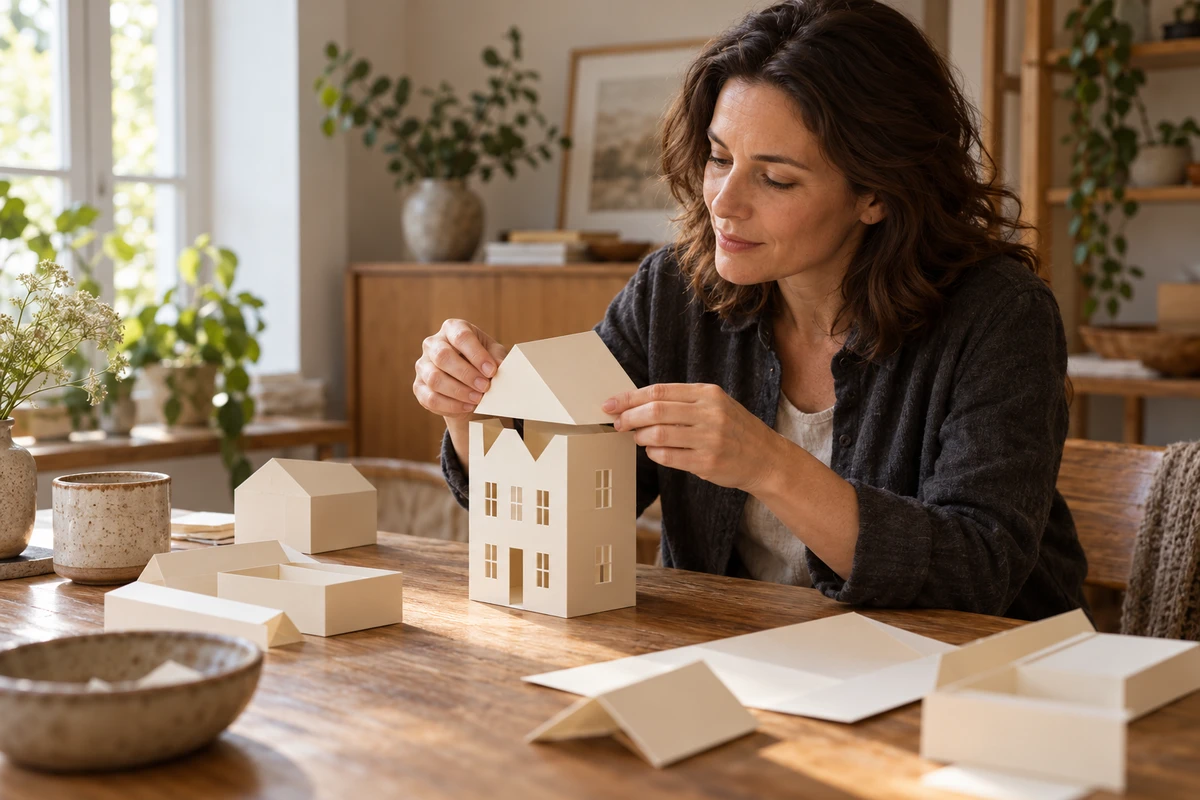
Imagine an adult who has just bought a paper architecture model. She has seen the attractive ad and knows how the finished piece could look on her bookshelf. After opening the materials, different questions arise: where should she start tonight? Which detail needs a closer look? Once she begins, does she need to keep watching the brand's screen? This fictional situation offers a way to separate content tasks.
Advertising can make someone want to explore. Content used during an activity can help them begin or keep them company. Adult hobby marketing that continually repeats an invitation to rediscover a passion may miss this next stretch of time. Someone already interested in the product may not need persuading again. They may need something they can actually join.
An interest is more specific than an adult label
The official US LEGO Adults Welcome page introduces sets designed for adults and provides interest-based routes including entertainment, art, design and music, travel and history, science and technology, nature, and vehicles. This describes the page checked on October 19, 2026. It is not a survey of the entire audience, and the existence of the page does not establish marketing effectiveness.
The arrangement suggests a useful distinction. An adult label can say that someone belongs here. A specific interest can help explain what they might want to do. Enthusiasts of architecture, films, and mechanical structures may fall within the same age range without needing the same generic story about unwinding.
Content therefore needs more than mature casting, quieter music, or a darker background. It needs an object in which an interest becomes tangible: a particular window pattern, a plant's form, or a structure someone wants to complete by hand. People should be able to identify what attracts them, not merely recognize someone their age on screen.
Find a unit of participation someone can begin
Return to the fictional paper model. Instead of asking someone to complete an entire street scene tonight, the content might focus on one window section: how the materials correspond, what needs close attention, and how the result connects to the main structure. That division must follow the real product. A component that cannot be completed independently should not be advertised as an easy standalone starting point.
A smaller entry does not underestimate adult ability. A newcomer may not yet know a hobby's vocabulary. An experienced participant may be interested in a detail or an alternative treatment. Content can offer different routes rather than making everyone pass through the same brand declaration.
Nor must a unit always be a finished object. Comparing two color arrangements, examining a structure, or organizing materials for the next session can provide a direction. But it should relate to the product's real use. An engagement task unrelated to the hobby is not automatically useful participation.
Explaining, building along, and keeping company differ
LEGO's official Find Your Flow page includes Rhythm & Bricks music for adult builders and build-along content, alongside product introductions. This article checks those routes and their written descriptions. It does not review the full films or album, or treat the brand's relaxation language as independent health research.
The useful question is how content relates to an activity. A tutorial explains how to handle a particular step. A build-along invites someone to start at a stage and continue. Accompanying music may not require continuous screen attention. These can coexist, but extending an advertisement does not automatically create any of them.
If someone cannot find a connection point, music and an evocative voiceover cannot replace a clear explanation. If they already know what to do and want something to listen to, a video that repeatedly demands eye contact, a scan, or attention to a slogan may interrupt the activity. The issue is usefulness at this stage, not which format is inherently better.
Production choices follow that purpose. When explaining a crucial step, show the relevant location instead of cutting past the connection for pace. When companionship is the main task, consider whether the content still works without the picture. A presenter who continually refers to “here” on screen may be difficult to follow when the video is playing beside the activity.
Companionship cannot substitute for missing help
A brand can label comfortable imagery as companionship, but if someone has stopped because an operation is unclear, comfort has not answered the question. Make useful explanations easy to return to. A longer build-along can identify which part it is handling instead of requiring viewers to search from the beginning.
Conversely, not every session needs the same explanations again. Experienced users may prefer to move directly to a detail or simply listen. Using the same product does not mean needing the same information density. The content arrangement should allow that difference rather than making a complete viewing a condition of serious participation.
Sometimes useful content lets people stop watching
For a hobby brand, watching the screen and doing something at the desk are not always aligned. If the purpose is to help someone start making, putting down the phone and handling the materials can be consistent with that purpose. A viewing interruption alone does not establish failure. Nor does every exit prove that someone is absorbed in the activity. The reason still needs to be understood separately.
Content for the fictional paper model could offer a natural choice after a window section: continue to the next segment or work on this part independently. It need not immediately pull someone back with a challenge, countdown, or ranking. Whether to invite sharing should also follow the purpose, rather than turning every private achievement into a public performance.
The brand can still be recognizable. Presentation, topic selection, sound, and recurring product details can create expressive consistency. That is not a guarantee of brand memory or sales. A more useful question than how often to repeat the opening logo is why someone would keep this content beside their activity.
This provides a concrete starting point for ongoing content. Build around interests and difficulties that recur during real use, rather than restarting every piece from a new product's selling points. Some content attracts, some helps, and some keeps company. Not every item must close a sale, but each should understand what it is inviting the person to do next.
Planning content for a hobby or lifestyle brand? Bring the real product, an activity people undertake, and the moment your existing content does not support to a discussion through ONCE video production solutions. Find something worth doing together, and the brand need not keep introducing itself throughout the experience.
Source note: The US LEGO Adults Welcome and Find Your Flow pages were checked on October 19, 2026 and may change. This is original content analysis based on public written material. No user interviews, activity participation, or verification of health or business outcomes was undertaken. The paper architecture model and original AI cover are fictional concepts, not an ONCE client project or instructions for a real product.