A creator delivers a strong sponsored film. Your team wants a series. What, exactly, would make the next episode part of the same show rather than another advertisement with matching titles?
For brands working with China-based product and production teams, ONCE recommends defining the audience’s repeatable viewing promise before expanding the episode order. Joining an established creator format and developing an original one are both valid choices. A good sponsorship does not have to become a brand-owned show.
A partnership that can enter an existing show
On October 15, 2026, Disney announced its creative partnership with Dude Perfect. Plans include original creator-channel content around Disney franchises and events, selected content on Disney+, and Avengers-themed material for the existing Overtime series.
These are announced arrangements and future plans, not evidence that every project is complete or that other brands can obtain equivalent distribution. We have not watched the prospective work and do not use audience totals to judge its creative quality.
The useful creative implication is narrower: a new brand theme can enter an established entertainment structure. It need not require an entirely new advertising wrapper each time. Production studio MGX CREATIVE describes original formats and repeatable execution systems as part of its development work. That is an observable service positioning, not proof of industry-wide transformation or better margins.
Repeat the viewing promise, not just the graphics
A continuing drama carries consequences from one episode into the next. A task-led entertainment format can reset each time: viewers understand the process but do not know how this participant will resolve it. A recurring host, desk or caption style does not create that process by itself.
“Help different people pack for a particular journey, then check their arrangement through an actual retrieval task” suggests something viewers can follow. “A relaxed lifestyle show” is a mood, not yet an episode premise.
Not every format needs a challenge. An interview can use a distinctive way of observing a subject; a travel series can return to a recurring choice. The point is to retain a recognizable pursuit while allowing people, tasks or circumstances to change the answer. A useful set of product ads may instead repeat the same message with different guests. It need not be relabeled entertainment to be worthwhile.
ONCE’s Two-Episode Rule Card
This is a proposed development exercise, not a completed audience test. Write how an episode enters its task, unfolds, checks what happened and delivers a payoff. Then apply that structure to two genuinely different subjects. Two is a way to demand one meaningful variation, not a validated sample size for proving demand.
Consider a fictional storage-accessory brand collaborating with a lifestyle creator. No client work, product capability or shoot result is implied. Its rule card might specify:
- Show the unpacked objects and the person’s actual needs before arranging them.
- Let the participant choose what goes where and explain the trade-offs, with the host asking useful questions.
- Simulate a retrieval during the journey to check the arrangement against the stated task.
- End with the participant explaining what worked and what still did not.
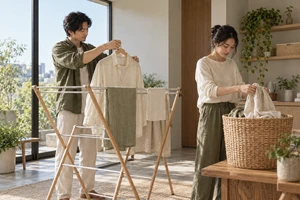
One episode could concern commuting: items needed en route versus those only needed at the destination. Another could concern a family day trip, where several people need to find their own things. The variation lies in needs, relationships and retrieval—not a new color of bag around an identical demonstration.
The product can influence those choices without being declared the winner by the rules. If an object does not fit, confirm the physical facts and revise the arrangement. An edit that conceals the problem is not evidence of greater capacity. The payoff can be a clearer trade-off rather than unconditional product triumph.
Read the two proposals together. Is the audience following the same kind of process while encountering a different problem? If episode two only repeats the demonstration with fresh sales copy, develop the subject before adding episodes. Whether people want to watch and return remains a separate question for actual pilots and audience research.
Keep the creator’s contribution visible
A rule card another person can understand does not establish that the host is replaceable. Some shows depend on a creator’s distinctive judgment, relationships and reactions. That dependence can be the reason a brand participates—not a flaw to engineer away.
Separate the contribution of the rules from the contribution of the person. A different-market host may retain the task while developing a different expression of it. Copying the original presenter’s mannerisms does not automatically reproduce the appeal.
The brand’s role also follows its objective. Presenting sponsorship or a suitable appearance can establish an association without making the product determine every segment. For a jointly developed product-related show, explain how the product affects a participant’s choices. Neither option should quietly promise the value of the other.
Preserve a starting point for the next production
Once the premise and meaningful variation work on paper, record what can change between episodes, which physical product actions need checking, and how the creator and director respond when an outcome is unexpected. The goal is continuity of creative reasoning, not identical laughter and shot lists.
Plan full episodes, trailers and extracts for the channels actually agreed. A supplier’s previous platform credit is not a distribution guarantee for a new project. Familiarity with someone else’s format similarly does not establish permission to use their show, people or materials. The relevant parties must confirm the intended uses; this article does not clear project rights.
For ONCE, repeatable formats could connect development to ongoing production. The potential asset includes the creative rules and production judgments that make further episodes possible. Reusable documents do not automatically amount to owned, licensable IP or proven royalty income. Audience response, agreements and operating results still determine the long-term value.
For the next creator collaboration, bring one viewing promise and two different episode subjects to ONCE’s video production solutions discussion. First establish what viewers could return for. Then decide whether one sponsored film should become a show.
Sources checked October 16, 2026. The Disney release describes that company’s arrangements; MGX’s undated page describes its services. We also reviewed FMD’s YouTube formats and branded entertainment service page. The Rule Card and storage example are ONCE’s proposed analysis, not partner endorsement or measured client outcomes.