The film ends, the activation closes, and someone leaves holding the campaign object. What happens next? For a brand sourcing physical materials in China and running an overseas launch, that moment deserves a place in the creative brief. A striking prop and an object people will use after the event are different purchases.
Start with the participant’s next action. Then decide which content should introduce it, explain it or invite a personal interpretation. A film can make an object desirable; the physical design still has to give its recipient a reason to keep using it.
One bag, several ways to participate
In its September 22, 2026 account, Inside Target's Next Chapter of Great Design for All, Target describes the red bag at the centre of Inside Out. Its announced extensions included Red Bag Stories, with creators sharing everyday bag contents, Bagspotting interactions with people carrying bags, and limited-time reusable-bag distribution. These were the arrangements described at publication; we have not verified every subsequent event or its results.
Target’s September 9 announcement of Target by Design described bag customisation using graphics, scarves and accessories. The September 22 article also recaps that participation. We checked both official accounts on October 19. They support the creative arrangements, not an inference about sales or unpaid reach.
ONCE’s reading is that the object supplies a shared starting point while leaving room for different personal stories. That is more useful to a commissioning team than simply copying the colour of another brand’s campaign. A new brand cannot assume people already recognise its object or understand its connection to the product. Visibility and meaningful association need separate attention.
Rehearse the moment after the cameras leave
We propose the take-it-home rehearsal, an early creative walkthrough rather than a validated marketing test. Give a prototype to someone close to the intended audience. Remove the photographer’s direction and the requirement to post. Walk through receiving, carrying and using the item.
Can the person handle and pack it without assistance? Is there a credible occasion to use it later? Can they explain, in their own words, why it belongs to this brand? If that explanation requires a staff member to repeat the campaign slogan, revise the object or the activity before commissioning more launch content.
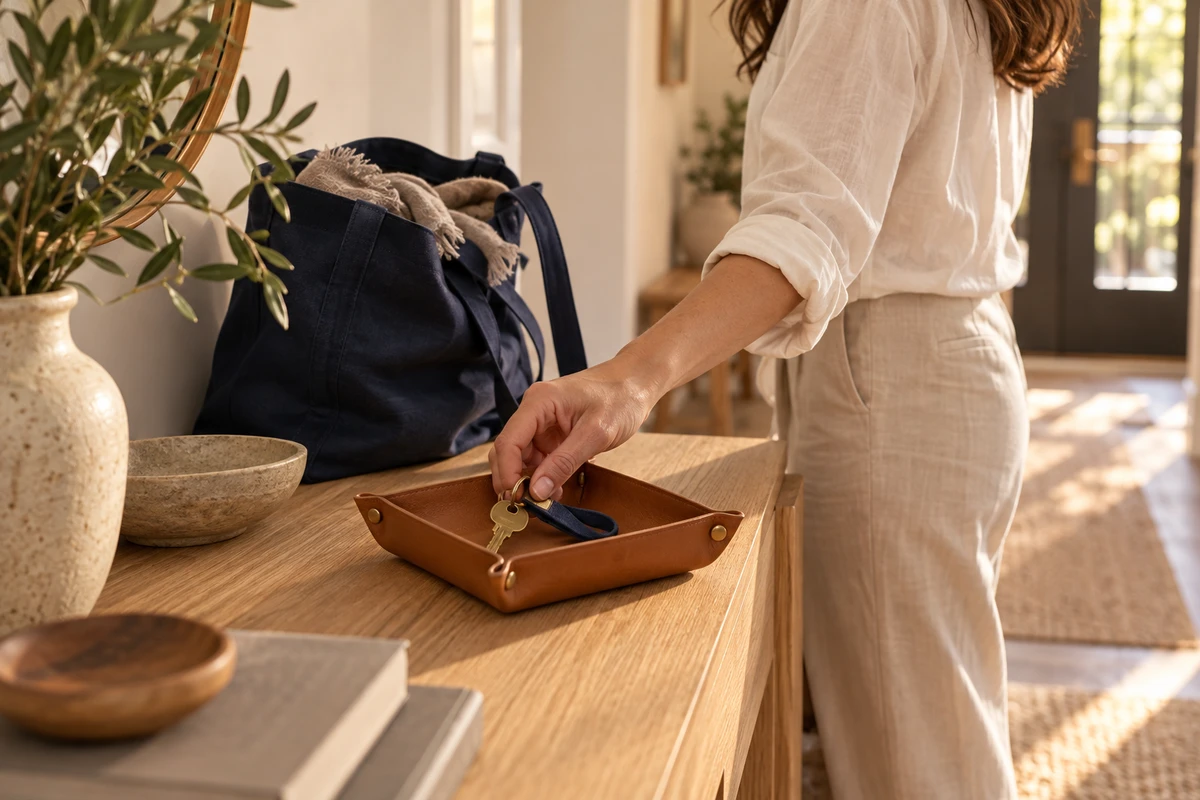
Consider a fictional homeware activation built around a folding catchall tray. Participants arrange their own everyday belongings into a small “home at last” scene. Different arrangements could become different films, while the tray still has a purpose on a hallway table or desk. This is a proposed example, not an ONCE project or a tested outcome.
If the sample does not fit the bag its recipient normally carries, or nobody understands how to assemble it without repeated help, resolve that first. If its only attraction is collecting a free item, a shared installation may serve the event better than a giveaway. Continuing use is a design question, not something a polished recap can supply.
The rehearsal can support three legitimate choices: make a controlled filming prop; make an object for participation at the venue; or develop an item people can take away and use. The last choice is not automatically the most valuable. Select the job that serves the campaign.
Connect content approval to the physical sample
A hero film can establish the invitation. A practical demonstration can help staff explain the activity. Creator content can show individual uses. Leave genuine room for variation if personal expression is part of the idea, rather than requiring everyone to reproduce the same camera-ready arrangement.
When the object is also a product, show the version people can actually receive. If a customised event edition is unavailable with an ordinary order, make that distinction clear. A special activation should not silently become the promise of an evergreen product film.
Ask for separate scopes covering creative development and prototypes; physical manufacture, transport and local operation; and content production and versions. Include receiving, distribution or customisation labour, remaining stock and participant-content permissions where relevant. Use real estimates, avoid counting bundled work twice, and do not derive an event budget from the unit price of a bag.
For an overseas activation supplied from China, arrange for the local operator to handle a sample before approving the batch. Check the actual carrying, assembly or customisation action, the necessary space and tools, and the receiving date. Approve filming against the agreed sample. A single hero object prepared for a close-up and a batch intended for everyday handling require different acceptance decisions.
This is an opportunity for ONCE to explore creative coordination around brand content production, working with appropriate design, manufacturing and local delivery partners. It is not a claim that ONCE already operates an overseas activation network. Approved designs, production specifications, action references and usage permissions can help future work remain understandable. Their commercial value still depends on continued customer need and legitimate reuse.
Keep distribution, use and sharing separate
Record how many items were distributed separately from participation and later voluntary reports of use. Someone can use an object without posting about it. If the brand needs a committed number of creator films, commission those deliverables explicitly; giving away an item does not secure an unpaid production service.
Nor does the object need to collect personal data to justify its existence. A small, consented walkthrough may be enough to identify carrying and usability problems. It cannot establish incremental sales. Design a separate measurement approach if that is the business question.
Before the next launch proposal, describe one ordinary scene after the event: who takes the object where, what they do with it, and why it still connects to the brand. If that scene is convincing, give the film something worth showing. If it is not, the next useful investment may be a better prototype.