When the budget is limited, first define communication goals and asset usage.
The first priority in product video production is clearly defining communication goals. Common cross-border e-commerce goals include increasing click-through rates, boosting conversion rates, reducing return rates, supporting ad campaigns, or enriching social media content. Different goals require different visual focuses and duration structures. For example, if the goal is click-through rate, core selling points or usage scenarios must appear within the first three seconds; if the goal is conversion, product details, dimensions, materials, and operation methods must be shown; if the goal is reducing returns, true colors, proportions, and functional limitations must be accurately presented.

During project initiation, brands should prepare a one-page asset usage list specifying the required video versions, durations, aspect ratios, subtitle languages, and campaign schedules for each platform. For example, Amazon main image videos typically highlight core product features, Shopify homepage videos emphasize brand tone, and TikTok or Instagram Reels suit short, fast-paced, scenario-based content. Based on this list, the production team determines which shots are essential and which can be supplemented via post-production or AIGC.
The criterion is to remove any shot from the must-shoot list if it does not directly serve a specific platform purpose or conversion goal. The risk is that brands, in pursuit of comprehensive coverage, may shoot excessive ineffective footage, diluting the budget and resulting in no polished version for any platform. An exception applies if the budget allows for shooting additional generic footage as future content reserves, provided core objectives have already been met.
The consequence during delivery is that failing to define clear objectives upfront leads to repeated revisions in post-production, increasing extra costs. Therefore, the project kickoff meeting must produce a written, mutually signed confirmation of the asset usage list.
Ranking core selling points determines shot priority.
Given limited shots in product videos, core selling points must be ranked by importance. Brands are advised to list three core selling points, ordered by their impact on user decision-making. For example, for a portable blender, the top point might be wireless charging, followed by quick cleaning, then safety lock design. The production team allocates screen time and shooting complexity based on this ranking.
Specifically, the brand provides product manuals, user reviews, competitor analyses, or customer service FAQs, from which the production team extracts the features users care about most. Both parties then determine the required shot types for each selling point, such as close-ups, usage demonstrations, comparisons, or scenario showcases. The guideline is that the primary selling point should occupy at least 40% of the final video, the secondary 30%, the tertiary 20%, with the remaining 10% reserved for branding or closing calls to action.
The risk is that brands may spend significant budget on secondary selling points, such as overemphasizing aesthetics while neglecting core functionality. An exception occurs when appearance itself is the core differentiator, in which case aesthetic shots can be elevated to top priority. The delivery consequence of unclear selling point prioritization is difficulty in editing decisions, potentially leading to visual clutter and a lack of focus for viewers.
The production team should annotate shot priorities in the storyboard and specify which shots can be cut or simplified to stills with animation if shooting time runs short.
Shooting plans involve trade-offs based on location and prop costs.
Production costs typically stem primarily from location rentals, prop purchases, talent fees, and lighting equipment. When budgets are tight, prioritize actual product filming against simple backgrounds over building complex sets. For instance, using solid-color backdrops with natural light or product packaging as props can reduce expenses. If usage scenarios are required, prioritize the brand’s office, factory, or home environments over renting professional studios.
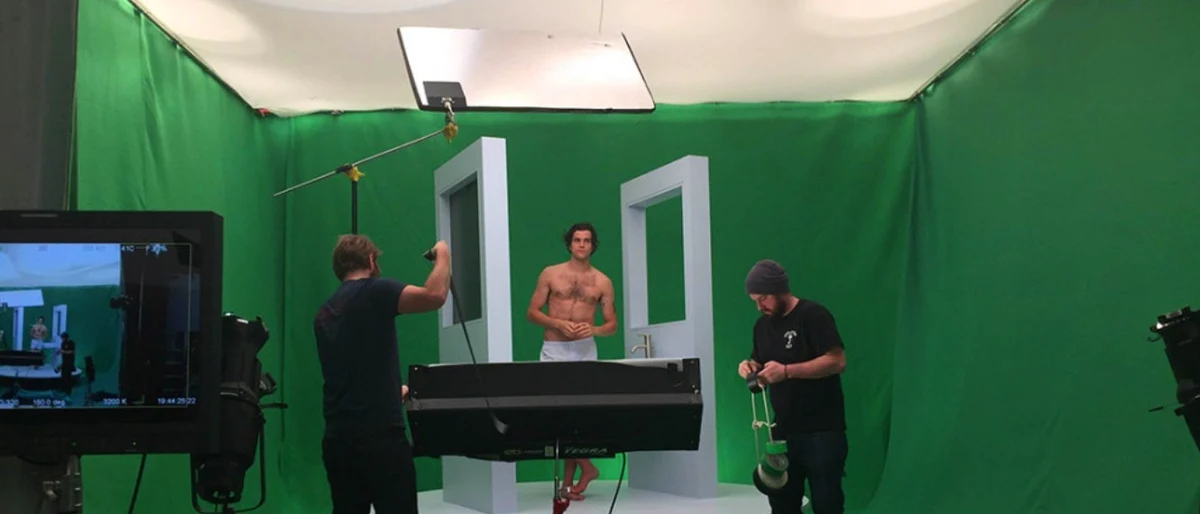
Specifically, the production team should provide a location list before shooting, detailing rental costs, setup times, and filming difficulty for each scene. The brand decides which scenes to simplify based on budget, such as replacing physical sets with green screens for background compositing. However, green screens impose requirements on product materials and reflectivity; if the product is transparent or metallic, keying errors are likely, making practical filming the preferred option.
The criterion is that if a scene's production cost exceeds 20% of the total budget and its visuals are not a core selling point, it should be replaced with post-production compositing or stock footage. The risk is that over-reliance on compositing may result in unrealistic visuals, leading to user distrust. An exception applies if the product itself is virtual, such as software or online courses, in which case AIGC or animation can fully replace live-action filming.
The consequence during delivery is that failing to confirm scene costs in advance leads to on-set adjustments that waste time and budget. Therefore, a detailed scene and props budget must be submitted before filming, including a 10% contingency fund.
Priorities for editing, color grading, audio, and subtitles in post-production
Post-production includes editing, color grading, sound design, subtitles, and master output. When budgets are limited, resources cannot be allocated equally and must be prioritized based on their impact on user experience. Editing is central, determining pacing and information delivery efficiency; audio affects immersion, particularly product operation sounds or ambient noise; color grading influences brand consistency and visual quality; and subtitles directly impact cross-language communication in cross-border e-commerce.
Specific actions include completing a rough cut during editing to ensure every selling point has corresponding visuals, then adjusting shot duration according to platform pacing. For example, Amazon videos typically require 15 to 30 seconds, while TikTok videos should be kept to 10 to 15 seconds. During color grading, if product color is a key selling point, screen display must match the physical item to prevent returns due to color discrepancies. Sound design encompasses background music, sound effects, and voiceovers; sound effects enhance realism, but licensing copyrighted music requires additional budget.
The criterion is that if the budget allows for only two post-production tasks, prioritize editing and color grading, as these directly affect users' perception of product quality. Subtitles can be auto-generated later but require manual proofreading, especially for multilingual versions. The risk is that neglecting sound design makes the video appear low-quality, but audio costs are relatively low and can be addressed later using AI voiceovers or free sound libraries.
An exception applies if the product video is intended for ad placement, in which case compliance for subtitles and audio must take priority, as platform reviews may reject content due to copyrighted music or non-compliant subtitles. The delivery consequence is that without clear acceptance criteria for post-production, repeated revisions may occur, extending the delivery timeline. Therefore, completion timelines and acceptance standards for each stage should be confirmed before post-production begins.
The acceptance checklist must cover visuals, audio, subtitles, and versioning
Acceptance of product video shoots should not rely solely on whether the final video looks good; item-by-item inspection is required. The acceptance checklist must include at least the following: image clarity, exposure, and focus accuracy; accurate product color reproduction; inclusion of all selling points in the final cut; clear audio with background music not overpowering the voiceover; accurate subtitles matching the correct language version; aspect ratio and duration meeting platform requirements; and file format and codec complying with upload specifications.
Specifically, the brand should prepare a checklist during acceptance and tick off each item. For example, verify that the product logo is clear, usage scenarios align with brand tone, subtitles are free of typos, and multilingual translations are accurate. Upon delivery, the production team should provide the master file, source files, subtitle files, and thumbnails to facilitate future edits or re-cutting by the brand.
The acceptance standard is that if the final video fails any item on the checklist, the production team must provide one free revision; however, additional fees may apply after two revisions, making thorough upfront communication essential. A key risk is that brands may focus solely on the final output while neglecting source files and technical specifications, rendering the assets unusable on other platforms later. An exception applies when videos are intended for AIGC secondary creation, in which case source file resolution and frame rates must meet AI tool requirements.
Post-delivery consequences of lax acceptance include image compression, cropped subtitles, or audio desynchronization during distribution, all of which negatively impact user experience. Therefore, both the brand and production team must jointly conduct acceptance reviews and document all revision feedback.
When Product Video Production Is Not Suitable
Product video production is not suitable for every product. For low-ticket items with low decision costs, such as disposables or inexpensive goods, users may not need video to inform their decisions, making it difficult to recoup production costs. If product functionality is extremely simple, like basic socks or tissues, static images with text descriptions may be more effective. If a product is still in early R&D and the physical prototype is not finalized, video production may waste budget; in such cases, 3D rendering or AIGC-generated concept videos are preferable.
Additionally, without clear distribution channels or a media plan, produced videos may become unused stock footage that delivers no tangible results. If the product faces strict compliance restrictions, such as medical devices or food items, video content requires review; legal counsel or platform guidelines should be consulted before filming to avoid publishing issues.
The criterion is that if the product's unit price falls below a certain threshold or if user decisions rely primarily on specs and reviews, the marginal value of video is low. The risk is that brands may produce videos simply to follow trends, resulting in poor campaign performance and negative feedback. An exception occurs when a product has unique visual selling points, such as color changes or dynamic effects, where video can boost click-through rates even at a low price point.
The consequence of forcing production despite unsuitability is wasted budget and effort, along with potential user confusion. Therefore, a cost-benefit analysis should be conducted during project initiation, and static images or graphic content should be used as alternatives when necessary.
Recommended Next Steps
With limited budgets, brands should first create a one-page asset usage list defining video objectives and prioritizing core selling points for each platform. Then, consult the production team to determine which shots require live filming and which can be supplemented via post-production or AIGC. Prioritize visual quality for core selling points during filming, and allocate post-production budget to editing and color grading. Strictly verify deliverables against the checklist during acceptance to ensure all platform versions meet requirements. If video is unsuitable for the product, pivot promptly to static images or graphic content to avoid wasting budget.
Finally, regardless of the approach chosen, evaluate the final content from the user's perspective by asking whether you would watch it through and feel motivated to purchase. If uncertain, conduct small-scale testing before scaling up investment.
If you are preparing a product video project, gather your brief, visual references, product or company materials, delivery platforms, and licensing scope before reviewing theE-commerce Product Video Services pageto translate abstract preferences into actionable production parameters.